Installation
Floating Floorboards: Types, Costs and Installation in Brisbane
 Roman Miller9 min read
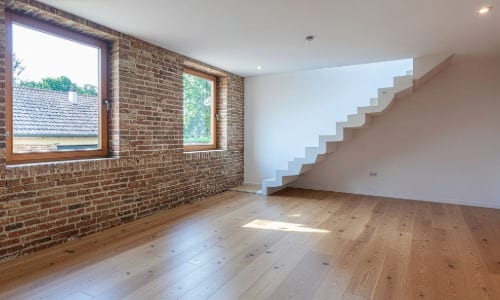
Floating floorboards are now the most common way Brisbane homes get new hard floors, and for good reason. They go down fast, suit concrete slabs and existing tiles, and come in everything from real engineered oak to waterproof hybrid. But “floating” covers very different products, and the gap between a great floating floor and a disappointing one usually comes down to the product, the underlay and the preparation.
This guide to floating floorboards in Brisbane explains everything from an installer’s point of view: how they work, the main types, honest pros and cons, what they really cost in Brisbane, how they’re installed, and where they work best. We’re LKV Flooring, a Newstead-based supply and installation team, and floating floors make up a large share of the projects we complete across Brisbane every month.
What are floating floorboards?
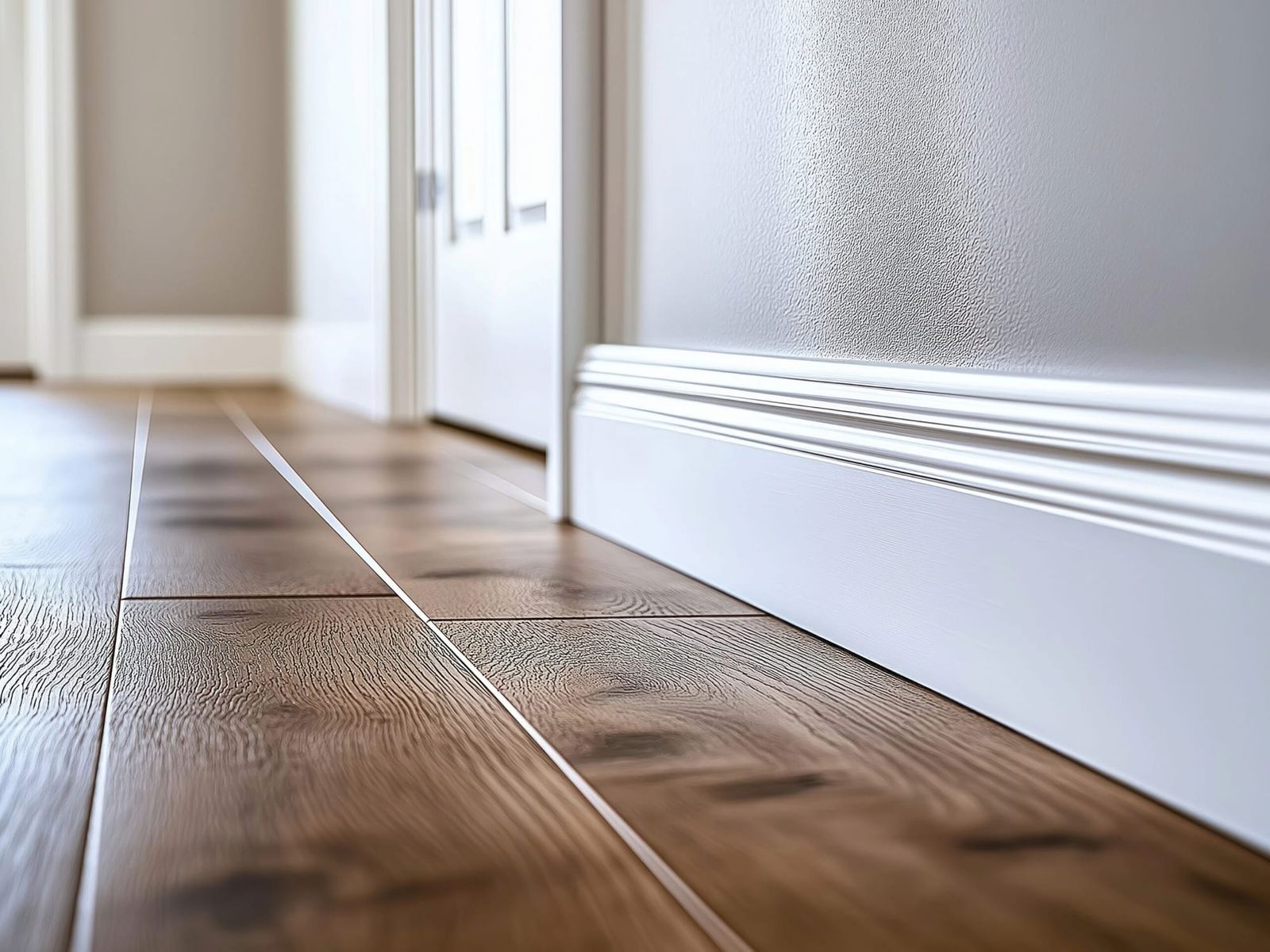
Floating floorboards are planks that join edge to edge over an underlay, without being glued, nailed or screwed to the subfloor. The floor moves as one connected surface, kept in position by its weight and the surrounding skirting. Engineered timber, hybrid and laminate are the three main types sold in Australia.
- 3 types: Engineered timber, hybrid and laminate
- $55 to $220: Typical installed cost per m² in Brisbane
- 1 to 3 days: Usual install time for a living area
- 10 to 15mm: Typical expansion gap at walls
Indicative ranges. Exact pricing and gap sizes depend on the product, room and manufacturer’s instructions.
How Floating Floorboards Work
Because nothing fixes the floor down, preparation and layout matter more than many people expect. The subfloor needs to be flat, the underlay must suit the product, and large or irregular areas need expansion breaks so the floor can move freely. Get these right and a floating floor feels solid, quiet and stable for many years.
Types of Floating Floorboards
Engineered timber
Real timber
A genuine hardwood veneer, such as European oak, Spotted Gum or Blackbutt, over a stable layered core.
- Look: real timber grain
- Water: wipe spills quickly
- Best for: living areas and bedrooms
Hybrid
Most popular
A printed timber look over a rigid, water-resistant stone composite core, typically sold with built-in underlay.
- Look: realistic timber print
- Water: water-resistant core
- Best for: kitchens, families, pets
Laminate
Budget friendly
A printed design on a high-density fibreboard core, with a very hard, scratch-resistant surface.
- Look: printed timber or stone
- Water: water-resistant ranges available
- Best for: bedrooms, rentals, dry areas
Some suppliers also sell click-together solid timber and cork, but these are less common in Brisbane homes. For most projects, the real choice is between engineered timber, hybrid and laminate.
Floating Floorboards Compared
| Factor | Engineered timber | Hybrid | Laminate |
|---|---|---|---|
| Surface | Real hardwood | Printed design | Printed design |
| Feel underfoot | Warm, solid timber | Firm | Firm, can sound hollow |
| Water resistance | Low to moderate | High (core) | Moderate on water-resistant ranges |
| Scratch resistance | Moderate | High | Very high |
| Can be refinished | Lightly, on thicker veneers | No | No |
| Underlay | Separate underlay | Usually attached | Separate or attached |
| Typical installed cost | Highest | Mid | Lowest to mid |
For a deeper look at each, see our guides what is engineered timber flooring and what is hybrid flooring.
How Much Do Floating Floorboards Cost in Brisbane?
Supplied and installed, per m²
- Laminate: About $55 to $110
- Hybrid: About $55 to $110
- Engineered timber (floating): About $110 to $220
- Premium wide-plank engineered: From about $200
Indicative 2026 ranges. Many online prices are for the boards only, so always compare installed quotes.
Online shops often advertise floating floorboards from as little as $25 to $50 per m², but that’s usually the product only. Installation, underlay (if not attached), trims, skirting, removal of old flooring and subfloor levelling all add to the final price. As a guide, a 60m² living area in a mid-range hybrid typically lands somewhere around $3,300 to $6,600 installed, before extras.
When comparing quotes for floating floorboards in Brisbane, ask each installer the same questions: what preparation is included, which underlay they’ll use, how they’ll handle doorways and expansion breaks, and what warranty covers their workmanship. A cheaper quote that skips levelling or uses a thin underlay often costs more in the long run.
What adds to the cost
- Subfloor preparation: grinding high spots and levelling dips on uneven slabs.
- Removal: lifting carpet, old floating floors or tiles.
- Underlay: separate acoustic underlay where it isn’t attached.
- Finishing: new skirting, scotia, door trims and stair treatments.
- Layout: rooms with many doorways, angles or expansion breaks take longer.
Choosing the Right Underlay
Underlay is the hidden layer that makes a floating floor feel and sound right. Choosing poorly is one of the main reasons floating floors feel hollow or noisy.
Attached underlay
Built into most hybrid and some laminate boards. Convenient and consistent, but check it suits your subfloor and any acoustic rules.
Acoustic underlay
Denser underlay that reduces footstep and impact noise, often required in apartments.
Moisture barrier
A plastic membrane laid over concrete slabs to stop rising moisture reaching timber or laminate.
Living in an apartment? Read our acoustic underlay guide before choosing, since body corporates usually require tested acoustic ratings.
How Floating Floorboards Are Installed
Site visit: measure and assess
We measure the area, test slab moisture, check flatness and confirm door heights and transitions.
Preparation: prepare the subfloor
Old flooring is removed, high spots ground down and dips levelled until the base is flat.
Acclimatise: settle the boards
Engineered timber and laminate boxes rest in the room so they adjust to local conditions.
Underlay: lay the base
A moisture barrier and underlay go down, unless the boards have underlay attached.
Installation: click the boards together
Rows are laid with staggered joins, with a movement gap kept at each wall, pillar and door frame.
Finishing: trims and clean‑up
Skirting, scotia and door trims are fitted, then the floor is cleaned and checked.
Thinking of installing over existing tiles? Floating floors are often the easiest option, as long as the tiles are flat and well bonded. Before deciding, read our guide to laying floors over tiles.
How long does installation take?
Most living areas of 40 to 60m² are completed in one to two days once the subfloor is ready. Extra time is needed when old flooring has to be removed, the slab needs levelling, or boxes need a day or two to acclimatise. Hybrid and laminate are usually the quickest to lay, while engineered timber takes a little longer because each board needs careful selection for colour and grain. Furniture can usually return as soon as the trims are fitted, which is one reason floating floors are popular for renovations where the household stays at home.
Pros and Cons of Floating Floorboards
Advantages
- Faster installation with less disruption
- Usually cheaper than glue-down
- Suits concrete slabs and often existing tiles
- Damaged boards can be lifted and replaced
- Wide choice of looks and budgets
- Underlay adds comfort and reduces noise
Watch out for
- Can sound hollow if the underlay or subfloor is poor
- Requires perimeter gaps plus trims at each doorway
- Large areas may need expansion breaks
- Fixed joinery such as kitchen islands can stop the floor moving
- Real timber floating floors have limited sanding
- Not suited to wet bathrooms
Still deciding on the installation method? Our comparison of floating floor vs glue down explains when gluing is the better choice.
Best Floating Floorboards for Each Room
The right floating floor depends on how each space is used. Here’s how we usually guide Brisbane homeowners:
| Room | Best floating option | Why |
|---|---|---|
| Living and dining | Engineered timber or hybrid | Real timber warmth, or hybrid for busy families |
| Kitchen | Hybrid | Handles spills and heavy traffic well |
| Bedrooms | Engineered timber or laminate | Quiet, comfortable and cost-effective |
| Hallways and entries | Hybrid or laminate | High scratch resistance for constant traffic |
| Apartments | Any type with approved acoustic underlay | Must meet body corporate noise rules |
| Rental properties | Laminate or hybrid | Durable, affordable and easy to repair |
| Bathrooms and laundries | Generally not recommended | Tiles or glue-down vinyl handle standing water better |
Floating Floorboards Brisbane: Local Considerations
Humidity
Boards expand in humid summers, so proper expansion gaps are essential.
Sunny rooms
Large north and west windows heat floors, so stable products like hybrid perform best.
Slab homes
Most Brisbane homes sit on concrete, which suits floating floors with a moisture barrier.
Queenslanders
Floating floors can go over sound timber subfloors, though solid timber is often preferred.
Floating Floorboards: Common Mistakes to Avoid
- Comparing board-only prices with installed quotes.
- Skipping subfloor levelling on an uneven slab.
- Using cheap, thin underlay that makes the floor sound hollow.
- Laying very large open areas without expansion breaks.
- Installing kitchen cabinets or islands on top of the floating floor.
- Choosing a floor without checking apartment acoustic requirements.
- Using a steam mop, which can damage the joints of most products.
Caring for Floating Floorboards
Floating floors are low maintenance, but a few habits help them last. Vacuum or sweep often, since grit causes most surface scratches. Damp mop with a cleaner suited to your product, wringing the mop out well. Wipe spills promptly, especially near board edges, and fit felt pads to furniture legs. Avoid steam mops unless your manufacturer specifically allows them. Our guides on cleaning laminate floors and cleaning timber floors cover the details.
With the right care, quality floating floorboards typically last 15 to 25 years or more. If a board is damaged, it can often be replaced without lifting the whole floor, which is one of the practical advantages of a floating installation over glue-down.
Floating Floorboards Installed Across Brisbane by LKV Flooring
In‑house installers
Every job is completed by our own team, not subcontractors.
7‑year warranty
All workmanship is backed by our 7-year warranty.
Trusted brands
Including Quick-Step, Preference Floors and Hurford’s.
We supply and install floating engineered timber, hybrid flooring and laminate flooring across Brisbane and South East Queensland. LKV Flooring is QBCC licensed and a member of the Australasian Timber Flooring Association.
Floating Floorboards FAQs
What are floating floorboards?
Floating floorboards are planks that click into one another over an underlay and aren’t fastened to the subfloor. Engineered timber, hybrid and laminate are the most common types.
How much do floating floorboards cost in Brisbane?
Most floating floors cost about $55 to $110 per m² installed for laminate or hybrid, and about $110 to $220 per m² for engineered timber, plus any preparation and extras.
Are floating floorboards good quality?
Yes, when you choose a quality product and the subfloor is properly prepared. Most problems come from cheap boards, thin underlay or skipped preparation.
Can floating floorboards go over tiles?
Often, yes. If the tiles are flat, well bonded and free of cracks, a floating floor can usually be installed over them, saving the cost of removal.
Do floating floors sound hollow?
They can if the underlay is poor or the subfloor uneven. A quality acoustic underlay and a flat base make a floating floor sound and feel much more solid.
How long do floating floorboards last?
Quality floating floors typically last 15 to 25 years or more, depending on the product, wear layer and how well they’re installed and maintained.
Can you put floating floorboards in a kitchen?
Yes. Hybrid is the most popular choice for kitchens. Install cabinets and islands before the floor, so the floating floor isn’t pinned down.
Can I install floating floorboards myself?
Click systems suit confident DIYers, but subfloor preparation, expansion gaps and trims are where most DIY problems start. Professional installation also protects the product warranty.
Get a Quote for Floating Floorboards
See engineered timber, hybrid and laminate together in our Newstead showroom, and we’ll arrange a no-cost measure for your home. We’ll check your subfloor and recommend the right floating floor for your home.