Choosing floors
What Is Hybrid Flooring? Pros, Cons, Costs and Is It Worth It?
 Roman Miller9 min read
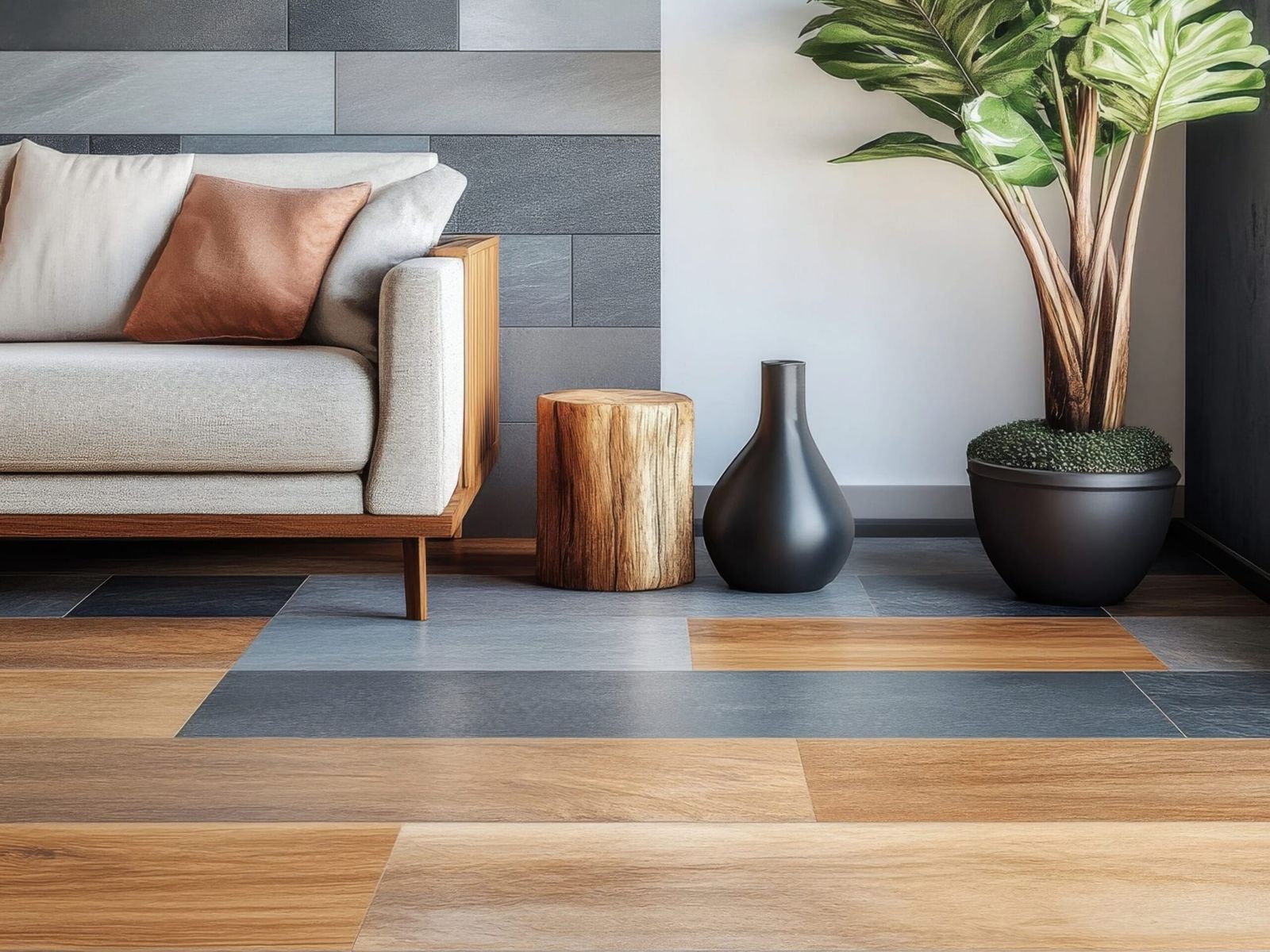
Walk into any Australian flooring showroom and hybrid will be front and centre. It’s become one of the most installed hard floors in the country, sold as waterproof, scratch-resistant and realistic enough to pass for timber. Most of those claims hold up. A few need a little more honesty, which is why understanding what is hybrid flooring before you buy can save you money and disappointment.
In this guide, we answer what is hybrid flooring, how it’s made, the genuine pros and cons, what it really costs in Australia, and whether it’s worth it for your home. It comes from the LKV Flooring installation team in Newstead, who fit hybrid floors across Brisbane every week, so you’ll get the practical view rather than the sales pitch.
Is hybrid flooring worth it?
For most Brisbane homes, yes. Hybrid is tough, easy to live with and handles spills that would ruin laminate or timber. However, it isn’t a lifetime floor, it can’t be sanded, and cheap products cause most of the problems you read about. Choose a quality brand, install it properly and it will serve a busy household well for 15 to 25 years.
LKV rating: 4 out of 5 for most family homes
What Is Hybrid Flooring?
So, what is hybrid flooring exactly? It’s a click-together floating floor that combines the rigid strength of laminate with the water resistance of vinyl. Each plank is built from several bonded layers, and the core is the part that makes hybrid different. Instead of the wood-fibre board used in laminate, hybrid uses a dense, waterproof core made mostly from limestone powder and PVC (SPC) or wood-plastic composite (WPC).
From above, a hybrid plank shows a high-resolution timber or stone image protected by a clear wear layer. Underneath, most products have an acoustic underlay already attached, so the floor goes down quickly over a flat subfloor without glue or nails.
- Wear layer: Clear, scratch-resistant top coat, usually 0.3mm to 0.55mm
- Decor film: Printed timber or stone design
- Rigid core: Waterproof SPC or WPC that gives stability
- Attached underlay: Cushioning and sound reduction
SPC vs WPC: The Two Types of Hybrid Core
Not every hybrid floor uses the same core, and the difference affects how it feels and performs.
SPC core
Stone plastic composite
- Feel: firm and solid underfoot
- Dent resistance: very high
- Heat stability: excellent, moves very little
- Best for: busy homes and sunny Queensland rooms
WPC core
Wood plastic composite
- Feel: slightly softer and warmer
- Dent resistance: good, but lower than SPC
- Heat stability: good, can move more in strong heat
- Best for: bedrooms and comfort-focused spaces
Most hybrid sold in Australia today is SPC, largely because its stability suits our temperature swings. That said, a well-made WPC floor can be a lovely choice for upstairs bedrooms where comfort and quietness matter more than dent resistance. Whichever core you choose, the quality of the click joint and the thickness of the wear layer will affect day-to-day performance more than the core type alone.
Hybrid Flooring Pros and Cons: The Advantages
Water‑resistant core (5/5)
The core won’t swell or warp from spills, which makes hybrid ideal for kitchens, laundries and open-plan living.
Scratch and wear resistance (4/5)
A tough wear layer handles kids, pets and furniture far better than timber, especially in thicker grades.
Fast installation (5/5)
Click-lock planks with attached underlay go down quickly, often over existing tiles, with minimal disruption.
Low maintenance (5/5)
No sanding, sealing or polishing. A vacuum and a damp microfibre mop are all it needs.
Realistic looks (4/5)
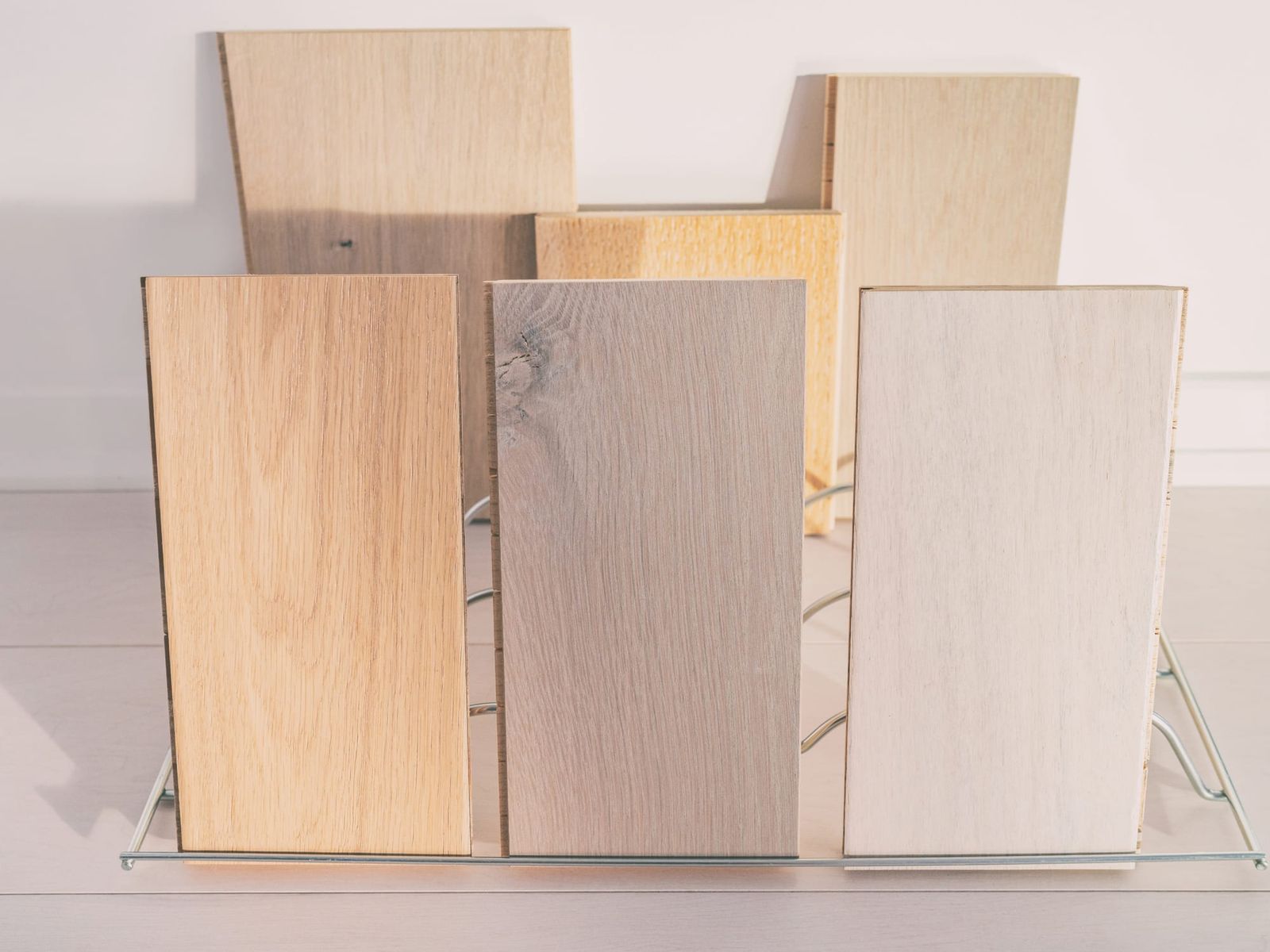
Modern printing and embossed textures closely mimic Blackbutt, Spotted Gum and oak.
Value for money (4/5)
It costs noticeably less than engineered or solid timber while offering a similar look.
Hybrid Flooring Pros and Cons: The Drawbacks
Repairs: can’t be sanded
Once the wear layer wears through or deep scratches appear, you replace planks rather than refinishing them.
Subfloor: needs a flat base
Hybrid won’t hide dips and humps. Most products need the base flat within about 3mm over a 2m span.
Feel: firmer and cooler than timber
Some people find hybrid harder and a little hollow-sounding compared with real wood.
Quality: big differences between brands
Thin, cheap products with weak click joints are the main reason some owners regret hybrid.
Resale: not real timber
Buyers in premium markets may value genuine timber more highly than a timber-look floor.
Sustainability: PVC‑based product
Hybrid isn’t renewable or biodegradable, which matters to environmentally minded buyers.
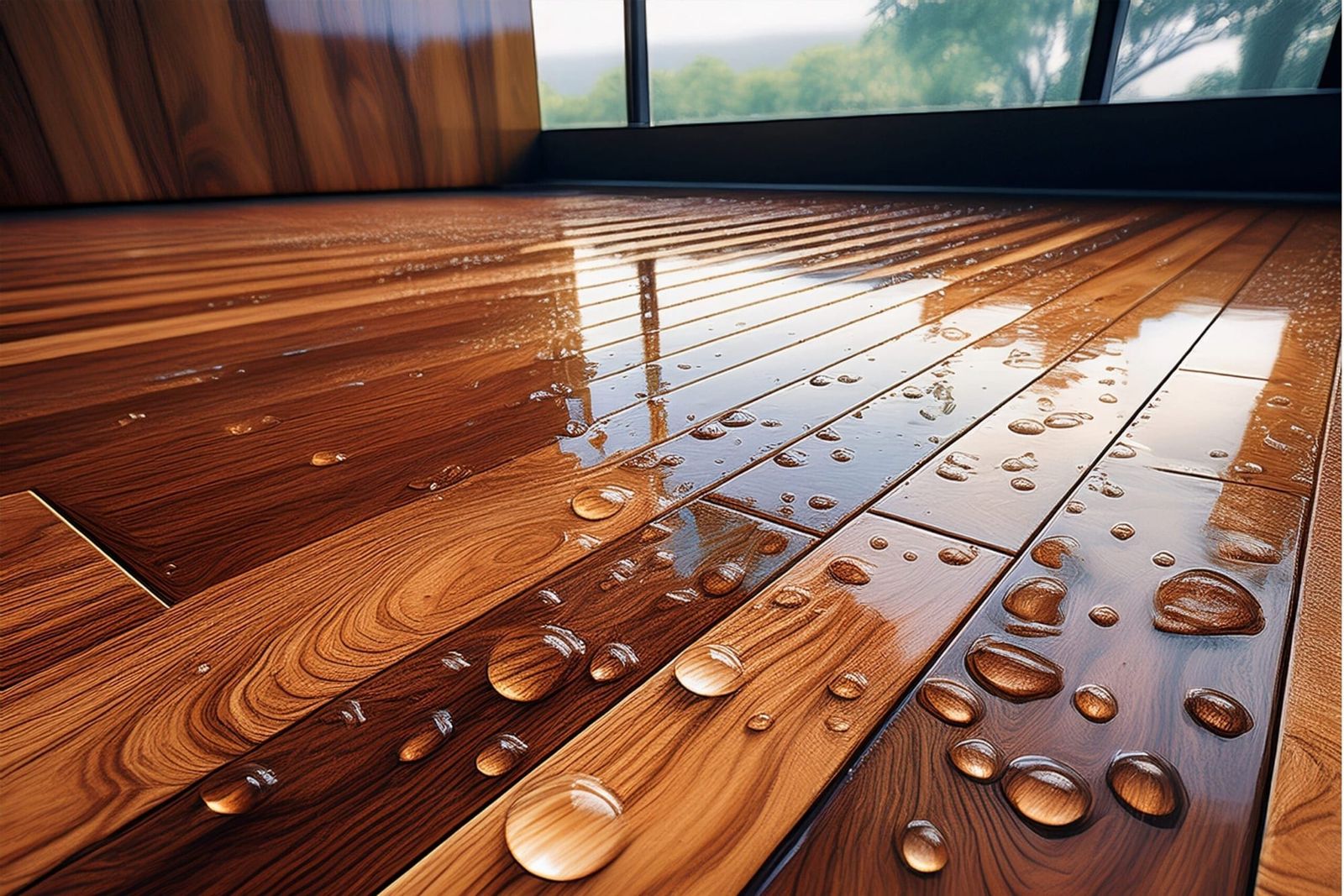
Is hybrid flooring waterproof?
- The core: Yes. The SPC or WPC core doesn’t absorb water or swell, so spills and wet mopping won’t damage the planks themselves.
- The joints: Not fully. Water left standing can seep through click joints and edges and sit underneath, where it can lead to mould.
- Bathrooms: Only with care. Wet rooms need sealed perimeters, the manufacturer’s approval and, ideally, a waterproof membrane below.
In short, hybrid is waterproof in the way that matters day to day, but you should still wipe up spills and never leave water pooled on the surface.
How Much Does Hybrid Flooring Cost in Australia?
Price confusion is common, because many guides quote the cost of the planks alone. Hybrid flooring cost also depends on how much preparation your home needs, since levelling a slab or removing old tiles can add more than the planks themselves. Here’s a clearer picture of what most Brisbane homeowners actually pay per square metre.
- Planks only (supply): $25 to $70
- Professional installation (labour): $25 to $45
- Typical total, supplied and installed: $55 to $110
- Extras (removal, levelling, trims, skirting): varies
Indicative 2026 ranges. Premium brands, thicker planks and complex rooms cost more.
For example, a 60m² open-plan area at $55 to $110 per m² usually lands between $3,300 and $6,600 before extras. That’s typically well below engineered timber, which often sits around $150 to $220 per m² installed.
Hybrid vs Laminate vs Engineered Timber vs Vinyl
| Feature | Hybrid | Laminate | Engineered timber | Vinyl plank |
|---|---|---|---|---|
| Surface | Printed design | Printed design | Real hardwood | Printed design |
| Water resistance | High (core) | Low to moderate | Low to moderate | High |
| Scratch resistance | High | High | Moderate | Moderate |
| Feel underfoot | Firm | Firm | Warm and solid | Soft |
| Refinishing | No | No | Yes, on thicker veneers | No |
| Installed cost | Low to mid | Lowest | Mid to high | Low |
Prefer genuine timber? Our article on engineered timber flooring explains the alternative, and you can compare every option in types of timber flooring.
How Long Does Hybrid Flooring Last?
A quality hybrid floor usually lasts 15 to 25 years in a typical home. The single biggest factor is the wear layer: a 0.5mm layer in a busy family home will outlast a 0.3mm layer by many years. Installation quality comes a close second, because a floor laid over an uneven base or without expansion gaps can develop gaps, peaking or broken joints long before the surface wears out.
Unlike timber, hybrid doesn’t get a second life through sanding. Instead, a damaged plank can usually be replaced individually, which is why it’s worth keeping a few spare boxes from the original batch. Colours and print runs change over time, so spares from the same batch blend in far better than new stock.
Hybrid Flooring in Brisbane Homes
Local conditions change how hybrid performs, and a good installer plans for them.
Strong sun
Large north and west windows heat planks, so leave proper expansion gaps and use blinds to prevent movement.
Humid summers
The core shrugs off humidity, but subfloors still need moisture checks before installation.
Apartments
Body corporates often require acoustic ratings, so choose a tested product and underlay.
Laying over tiles
Hybrid can float over sound, flat tiles, saving removal costs in many renovations.
Learn more in our guides to laying flooring over tiles and acoustic underlay for apartments.
Can You Install Hybrid Flooring Yourself?
Hybrid is often marketed as DIY-friendly, and the click-lock system genuinely is easier than gluing timber. Even so, most problems we’re called in to fix come from DIY installs. The usual culprits are skipped subfloor preparation, missing expansion gaps, poorly cut door frames and transitions, and planks forced together until the joints crack.
A professional installer checks flatness and moisture, levels the base where needed, plans the layout so short offcuts don’t end up at doorways, and finishes trims and skirting neatly. Just as importantly, many manufacturers require installation to their guidelines for the warranty to remain valid.
Caring for Hybrid Flooring
Day-to-day care is simple. Vacuum or sweep regularly to remove grit, then damp mop with a pH-neutral cleaner recommended by your flooring brand. Avoid steam mops, wax and harsh chemicals, which can damage the wear layer and void warranties. Felt pads under furniture, mats at entries and blinds in sunny rooms all help the floor look newer for longer.
When people ask us what is hybrid flooring’s biggest advantage over timber, ease of care is usually near the top of the list. There’s no sanding, sealing or recoating schedule to plan around.
How to Choose a Quality Hybrid Floor
- Check the wear layer. Aim for at least 0.3mm, and 0.5mm or more for busy homes with pets.
- Look at total thickness. Planks under about 6.5mm tend to feel thin and hollow.
- Ask about the core. A dense SPC core offers the best stability in Queensland heat.
- Test the click joint. Strong, well-machined joints resist gapping and peaking.
- Confirm the underlay. Attached acoustic underlay should suit your subfloor and any body corporate rules.
- Read the warranty fine print. Check exclusions for sun exposure, steam mops and installation methods.
Is Hybrid Flooring Worth It for You?
Busy families: great fit
Spills, toys and constant traffic suit hybrid’s tough, water-resistant build.
Pet owners: great fit
Scratch resistance and easy cleaning make life with dogs and cats simpler.
Rental properties: great fit
Durable, affordable and quick to install between tenants.
Premium homes for sale: consider carefully
Buyers in high-end markets may prefer genuine timber.
Character Queenslanders: consider carefully
Original timber floors are often worth restoring instead.
Apartments: great fit
Works well with an approved acoustic system and floats over existing slabs.
When you’re ready, see how we approach hybrid flooring installation in Brisbane, or browse our hybrid flooring range.
What Is Hybrid Flooring? FAQs
What is hybrid flooring made of?
Hybrid flooring is made of a clear wear layer, a printed decor film, a rigid waterproof core of SPC or WPC, and usually an attached acoustic underlay. The layers are bonded into click-together planks.
Is hybrid flooring better than laminate?
For most homes, yes. Hybrid’s core resists water far better than laminate’s wood-fibre board, which makes it more suitable for kitchens and laundries. Laminate can still suit dry rooms on a tighter budget.
Is hybrid flooring worth the money?
For busy households, pet owners and rentals, hybrid usually offers excellent value. It costs less than real timber and needs very little maintenance, though it can’t be refinished.
How long does hybrid flooring last?
A quality hybrid floor typically lasts 15 to 25 years, depending on the wear layer thickness, foot traffic and how well it was installed.
Is hybrid flooring fully waterproof?
The core is waterproof, but the joints and edges aren’t completely watertight. Wipe up spills promptly and avoid standing water.
How much does hybrid flooring cost per square metre?
Planks usually cost about $25 to $70 per m², and most Brisbane homeowners pay around $55 to $110 per m² supplied and installed, plus any extras.
Can hybrid flooring go in a bathroom?
Only if the manufacturer approves it and the installation includes sealed edges and suitable waterproofing. Many people keep bathrooms tiled and use hybrid elsewhere.
Does hybrid flooring scratch easily?
Quality hybrid resists scratches well thanks to its wear layer. Felt pads on furniture and regular removal of grit keep it looking new.
See Hybrid Up Close
Compare hybrid ranges side by side at our Newstead showroom and get honest advice on whether hybrid suits your home. Ring our team on (07) 3890 5173 to arrange a no-cost measure.