Choosing floors
Types of Timber Flooring in Australia: A Complete Guide
 Roman Miller9 min read
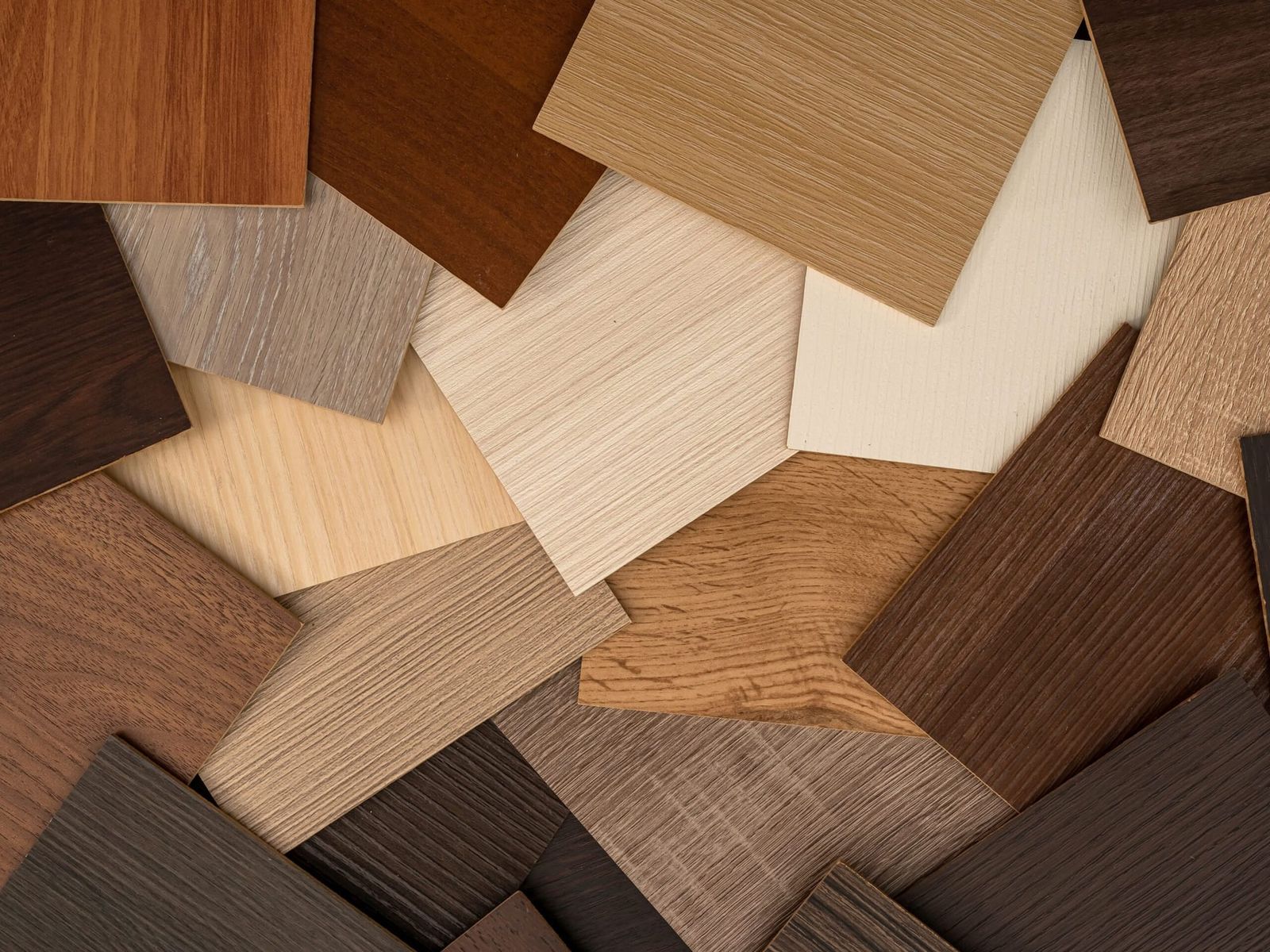
Choosing between the different types of timber flooring in Australia used to be simple: you picked a species and the boards were nailed down. Today there are solid boards, engineered planks, parquetry blocks, recycled timber, bamboo and a long list of timber-look alternatives, each with its own price, feel and quirks. No wonder so many Brisbane homeowners walk into a showroom feeling overwhelmed.
This guide explains all the main types of timber flooring available in Australia in 2026, helping you find the best timber flooring for your home, in plain English. You’ll learn how each type is made, which Australian species are hardest and most popular, how grades and finishes change the look, what each option costs, and which suits a Queensland home best. The LKV Flooring team in Newstead put it together from the questions we answer in our showroom every week.
Quick answer
The main types of timber flooring in Australia are solid timber, engineered timber, parquetry, recycled timber and bamboo. Solid and engineered are by far the most common. Solid boards are hardwood all the way through and can be sanded many times, while engineered boards have a real timber surface over a stable core that suits concrete slabs. Hybrid and laminate look like timber but contain no real wood surface, so they are timber-look alternatives rather than true timber floors.
- 5 types: Solid, engineered, parquetry, recycled and bamboo
- 14 kN: Janka hardness of Ironbark, one of the hardest local species
- $110 to $390: Typical installed range per m² across real timber options
Hardness figures from standard Australian Janka ratings. Prices are indicative 2026 Australian ranges and vary by product, area and installation.
Types of Timber Flooring at a Glance
| Type | What it is | Best for | Can it be sanded? |
|---|---|---|---|
| Solid timber | Boards milled from one piece of hardwood | Lifetime floors, character homes, timber subfloors | Yes, many times |
| Engineered timber | Real hardwood veneer on a cross-laid core | Slabs, apartments, wide boards | Yes, if the veneer is 3mm or thicker |
| Parquetry | Small blocks laid in a pattern such as herringbone | Feature rooms and entries | Yes, solid or thick-veneer blocks |
| Recycled timber | Reclaimed boards from old buildings and wharves | Sustainable, rustic and character looks | Yes |
| Bamboo | Compressed bamboo fibres, often strand woven | Budget-conscious, eco-minded homes | Usually limited |
| Hybrid and laminate | Printed timber image on a core | Wet-prone, high-traffic areas | No, there is no real timber surface |
1. Solid Timber Flooring
Solid timber is the traditional choice: each board comes from one length of hardwood, typically 14mm to 19mm thick. Because the timber runs all the way through, you can sand and recoat a solid floor many times over its life, which is why well-kept solid floors in old Queenslanders are still going strong after a century.
However, solid timber moves more with humidity than any other type, so it needs careful acclimatisation and expansion allowances. On a concrete slab, installers first need a moisture membrane and a plywood base, which adds cost and height. The finish also happens on site, which means a few days of sanding, coating and curing.
Explore our solid timber flooring range or learn how we handle hardwood floor installation.
2. Engineered Timber Flooring
Engineered timber layers a real hardwood veneer, usually 2mm to 6mm thick, over a layered plywood or hardwood base. Because each layer runs in a different direction, the boards resist the swelling and shrinking that affect solid timber. As a result, engineered flooring can go straight onto a slab, which is why it has become the most popular real timber floor in Australian homes and apartments.
Most engineered boards also arrive pre-finished, so there’s no on-site coating. The trade-off is that thinner veneers allow fewer sands. For a deeper look, read our guide what is engineered timber flooring.
3. Parquetry Flooring
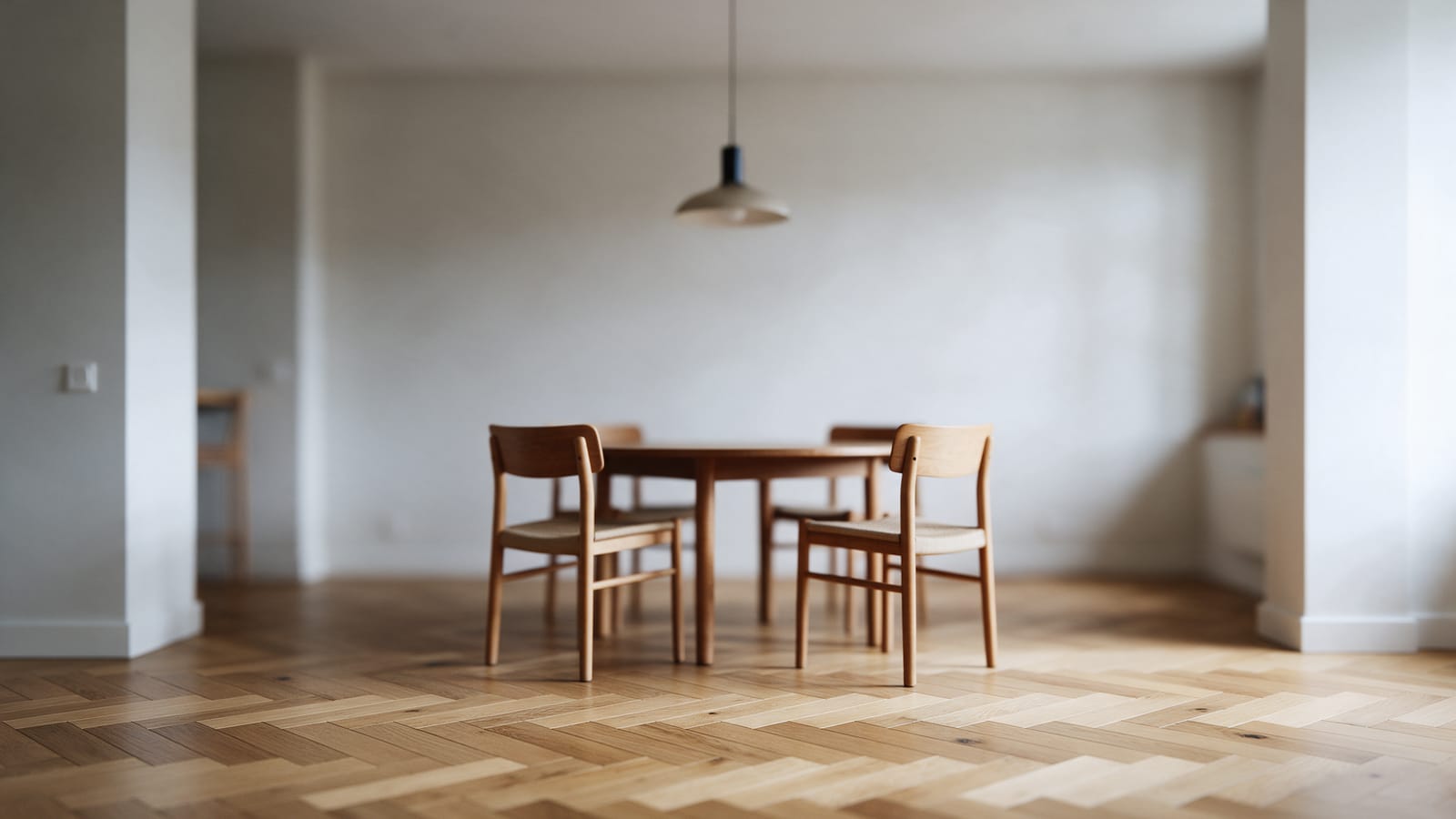
Parquetry is less a material and more an arrangement. Small blocks of solid or engineered timber are laid in geometric patterns such as herringbone, chevron, basket weave or Versailles panels. It’s the most decorative of all timber floor types, and also the most labour-intensive to install. Our herringbone flooring guide covers patterns and costs in detail, and you can see how we approach parquetry floor installation.
4. Recycled Timber Flooring
Recycled, or reclaimed, timber comes from old buildings, woolsheds, bridges and wharves. After de-nailing and re-milling, the boards bring decades of character: nail holes, saw marks and deep, aged colour that new timber can’t replicate. It also appeals to anyone who wants a lower environmental footprint.
That said, supply is limited and every batch differs, so prices can match or exceed new solid timber. Board lengths and moisture content also vary more, which makes careful selection and acclimatisation essential.
5. Bamboo Flooring
Bamboo is technically a grass, but strand woven bamboo is pressed so densely that it rates around 16 kN on the Janka scale, harder than any common Australian hardwood. It’s fast-growing and usually cheaper than timber. On the other hand, quality varies a lot between manufacturers, it can react to humidity, and most products offer limited refinishing.
Timber‑Look Alternatives: Hybrid and Laminate
Many guides list hybrid and laminate as types of timber flooring, but strictly speaking they aren’t timber. Instead, both use a high-resolution printed image of wood over a rigid or fibreboard core. They’re popular because they cost less and resist scratches and spills, and hybrid in particular handles water well. If that suits your home, compare our hybrid flooring and laminate flooring options.
Real timber or timber‑look?
A simple test: real timber floors can be sanded back to fresh wood, and every board has unique grain. Printed floors can’t be sanded, and you may spot repeating patterns across the room.
Popular Australian Timber Species Compared
Once you’ve chosen a type, the species decides colour, character and hardness. Hardness is measured on the Janka scale in kilonewtons (kN): the higher the number, the better the timber resists dents from furniture, heels and pets.
| Species | Colour | Janka hardness | Character |
|---|---|---|---|
| Grey Ironbark | Rich reds to dark brown | 14 kN | Extremely dense, ideal for busy homes |
| Spotted Gum | Pale brown through to deep chocolate | 11 kN | Wavy grain, strong variation |
| Brush Box | Pinkish to reddish brown | 9.5 kN | Fine, even texture |
| Blackbutt | Pale gold to light brown | 9.1 kN | Clean, contemporary look |
| Sydney Blue Gum | Pink to deep red | 9.0 kN | Classic warm Australian tone |
| Tallowwood | Golden to light brown | 8.6 kN | Smooth, slightly oily feel |
| Jarrah | Deep red to burgundy | 8.5 kN | Rich, traditional colour |
| Cypress Pine | Creamy yellow with dark knots | 6.1 kN | Common in older Queenslanders |
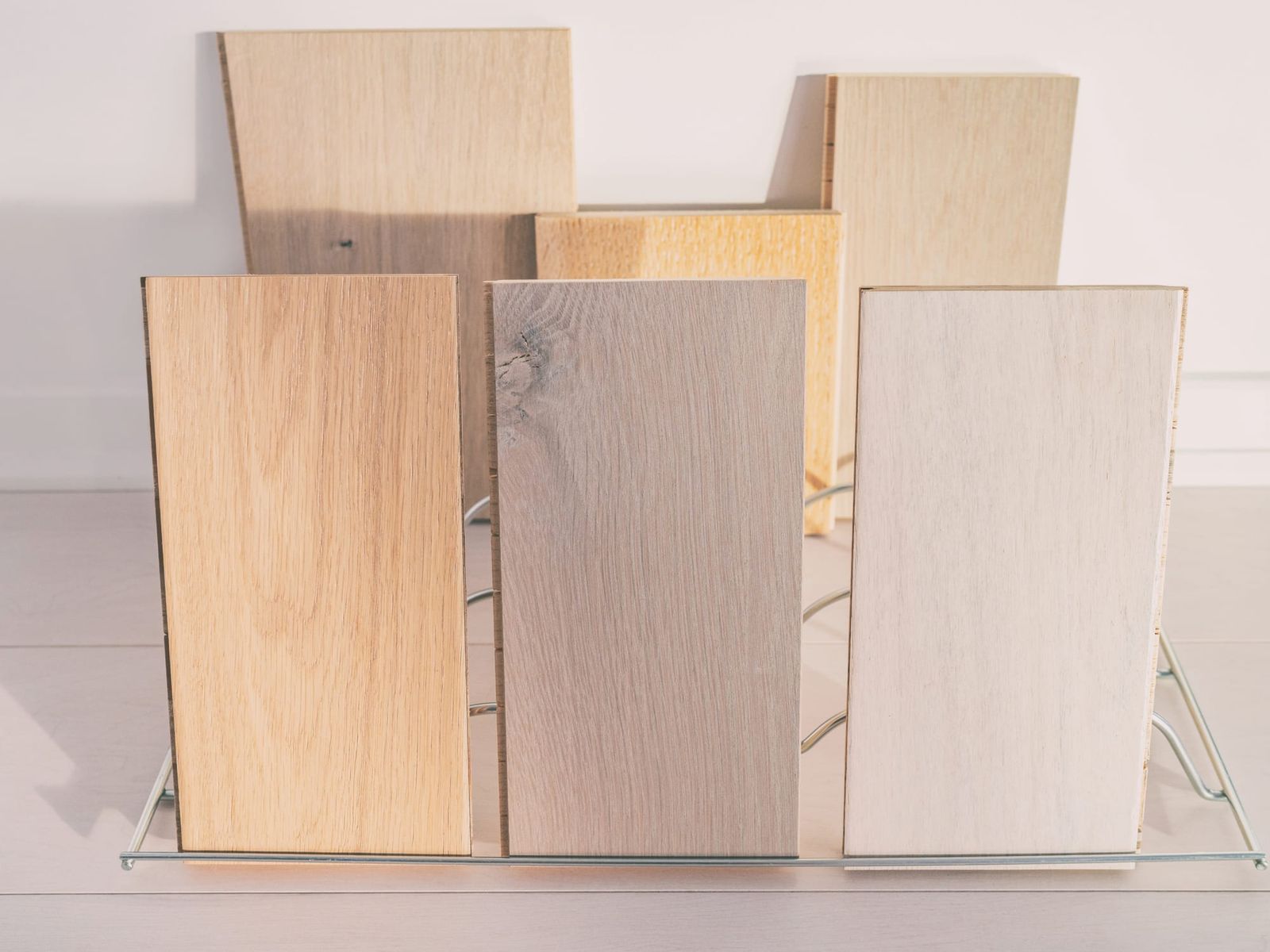
| Tasmanian Oak | Pale cream to straw | 5.5 kN | Light, straight grain |
| European Oak | Neutral honey to grey tones | About 5.5 kN | Popular in engineered boards |
Janka figures are standard averages; individual boards vary.
Notice that Cypress Pine, technically a softwood, still rates higher than Tasmanian Oak, which is a hardwood. “Hardwood” describes the botanical group, not how hard the timber feels underfoot. Browse our Australian native flooring and oak flooring ranges to compare colours.
Timber Flooring Grades Explained
Grade describes how much natural character shows: knots, gum veins, colour changes and borer marks. It doesn’t affect strength, but it changes the look and the price.
Select grade
The cleanest boards, with minimal features and even colour. Suits formal and minimalist interiors, and usually costs the most.
Standard grade
A balance of character and consistency, with moderate natural features. The most popular choice for family homes.
Feature grade
Plenty of knots, gum veins and colour variation. Great for rustic or relaxed styles, and often the most affordable.
Timber Floor Finishes
| Finish | Look and feel | Durability | Maintenance |
|---|---|---|---|
| Polyurethane (solvent-based) | Glossy to satin, slightly warmer tone | Very tough | Recoat every several years |
| Water-based polyurethane | Clear, natural look, less ambering | Tough, low odour | Recoat every several years |
| Natural oil and hard-wax oil | Soft, matt, natural feel | Moderate | Spot-repairable, needs regular re-oiling |
| Factory UV lacquer | Even, consistent finish on engineered boards | Very tough | Clean only, recoat when worn |
How Timber Floors Are Installed
Nailed or secret nailed
Installers nail boards to timber joists or a plywood subfloor. This is the classic method for solid timber in raised homes.
Direct stick (glued)
Installers bond boards straight to a prepared slab with flexible adhesive. It’s common for engineered timber and parquetry.
Floating
Boards lock together and rest on an underlay without fixing down. It’s quicker and suits many engineered and timber-look floors.
In apartments, the installation method must usually pass an acoustic test. Our acoustic underlay guide explains the ratings, and our timber floor installation page covers the full process.
What Does Each Type of Timber Flooring Cost?
| Type | Typical installed cost per m² (2026) |
|---|---|
| Engineered timber | About $110 to $250 |
| Solid timber | About $120 to $280, plus plywood over slabs |
| Parquetry and herringbone | About $180 to $390 |
| Recycled timber | Often similar to or above new solid timber |
| Hybrid (timber-look) | Usually lower than real timber |
Indicative ranges only. Species, grade, board size, subfloor preparation and removal of old flooring all change the final price.
Budget tip: Grade often changes the price more than people expect. Choosing a standard or feature grade in a premium species can cost less than a select grade in a cheaper one, while still giving you a beautiful floor.
Which Type of Timber Flooring Is Best for Brisbane Homes?
There’s no single best timber flooring for every home, but Brisbane’s climate and housing styles point to some clear patterns.
Slab homes and apartments
Engineered timber is usually the smartest choice. It goes straight onto concrete and copes well with humidity.
Queenslanders and raised homes
Solid timber nailed to joists suits these homes, and original cypress or hardwood floors can often be restored.
Busy families and pets
Harder species such as Spotted Gum and Ironbark, in a matt finish and feature grade, hide everyday wear best.
Statement spaces
Parquetry in oak or native hardwood adds a feature without changing the floor everywhere.
Whatever you choose, Queensland’s wet summers and drier winters mean some seasonal movement is normal. Good ventilation, blinds on sunny windows and steady indoor conditions all help your floor perform at its best.
Types of Timber Flooring: FAQs
What are the main types of timber flooring in Australia?
The main types are solid timber, engineered timber, parquetry, recycled timber and bamboo. Solid and engineered are the most common, while hybrid and laminate are timber-look alternatives rather than real timber.
What is the most popular type of timber flooring in Australia?
Engineered boards now lead Australian real-wood floor sales, especially in slab homes and apartments, because it is stable, pre-finished and suits concrete subfloors.
Which is better, solid or engineered timber flooring?
Solid timber can be sanded more times and suits raised homes, while engineered boards move less and go straight onto concrete. For most modern Brisbane homes, engineered is the more practical choice.
Is hybrid flooring a type of timber flooring?
Not strictly. Hybrid uses a printed timber image over a waterproof core, so it looks like timber but has no real wood surface and can’t be sanded.
What is the hardest Australian timber for flooring?
Rated about 14 kN, Grey Ironbark tops the list of common flooring timbers. Next come Red Mahogany and Turpentine at about 12 kN and Spotted Gum at 11 kN.
Which Australian timber flooring is best for pets?
Choose a hard species such as Spotted Gum or Ironbark, a matt or brushed finish, and a feature grade, which together hide claw marks and everyday wear.
What is the cheapest type of real timber flooring?
Entry-level engineered timber is usually the most affordable real timber option, starting around $110 per m² installed. Bamboo can also be cheaper, though quality varies.
Can you sand all types of timber flooring?
Solid timber, recycled timber and engineered boards with a veneer of 3mm or more can usually be sanded. Thin-veneer engineered boards, most bamboo, hybrid and laminate either can’t be sanded or allow only a light recoat.
Not Sure Which Timber Floor Suits You?
Compare solid, engineered and parquetry floors in Spotted Gum, Blackbutt, oak and more at our Newstead showroom. Our team will match the right type to your home, subfloor and budget. Call (07) 3890 5173.