Choosing floors
What Is Engineered Timber Flooring? Definition, Pros and Cons
 Roman Miller10 min read
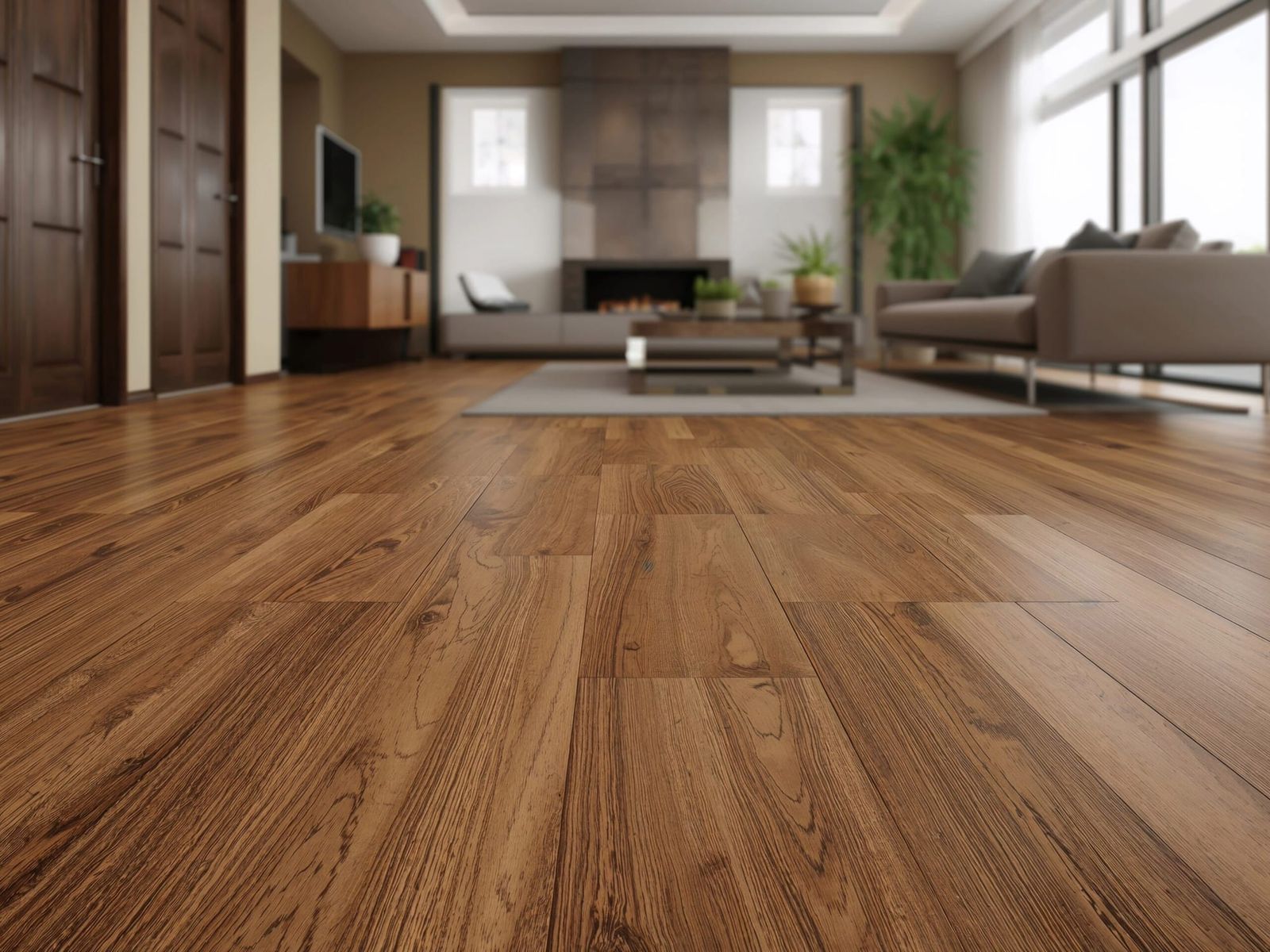
If you’ve started shopping for timber floors, you’ve almost certainly come across the term “engineered”, sometimes called engineered wood flooring. It’s now the most common way Australians bring real timber into their homes, yet many people still aren’t sure exactly what it is, how it differs from solid boards, or whether it’s worth the price.
This guide answers the question what is engineered timber flooring? in plain English. We explain how it’s made, why the wear layer matters so much, the genuine pros and cons, how it compares with solid timber and hybrid, and what it costs in 2026. The LKV Flooring team in Newstead wrote it, drawing on the engineered floors we supply and install across Brisbane every week.
Quick answer
So, what is engineered timber flooring? It’s a real wood floor made in layers. A surface of genuine hardwood, usually 2mm to 6mm thick, sits on a cross-laid core of plywood or hardwood. The layered construction makes the boards far more stable than solid timber, so they suit concrete slabs, apartments and wide boards. The main trade-offs are a higher price than hybrid and a limit on how many times you can sand the surface.
- 2 to 6mm: Typical thickness of the real timber wear layer
- $110 to $250: Usual 2026 installed price per m²
- 3 layers: Wear layer, stable core and balancing backing
Price range based on current Australian 2026 pricing guides. Premium wide-plank boards can cost more.
What Is Engineered Timber Flooring? A Simple Definition
Engineered timber flooring, also called engineered wood flooring, is a manufactured board with a genuine hardwood surface. Instead of cutting each board from one solid piece of timber, manufacturers build it up from several layers and glue them together under heat and pressure, with the grain of each layer running in a different direction.
That cross-laid structure is the key to understanding what engineered timber flooring is and why it behaves so differently from solid boards. Solid timber naturally swells and shrinks across its width as humidity changes. In an engineered board, the layers push against each other and cancel out much of that movement, so the floor stays flatter and more stable through the seasons. As a result, from above it looks and feels exactly like a timber floor, because the part you walk on is timber.
Wear layer (lamella)
First, the visible top layer of real hardwood, such as European oak, Blackbutt or Spotted Gum. As a result, its thickness decides how long the floor lasts and whether you can sand it later.
Core
Next comes the structural heart of the board, made from cross-laid plywood, hardwood strips or high-density fibreboard. A quality ply core gives the best stability.
Backing layer
Finally, a thin balancing layer on the underside that stops the board cupping and helps resist moisture from below.
Is engineered timber real wood?
Yes. The surface of every board is genuine hardwood, cut from the same species you would buy as solid timber. Manufacturers engineer only the hidden core. In other words, that’s the main difference from hybrid and laminate, which use a printed image of timber rather than real wood.
Why the Wear Layer Matters Most
If you remember one thing from this guide, make it this: the wear layer is the single best indicator of quality and lifespan. For example, two boards that look identical in the showroom can perform very differently over 20 years because of what sits under the finish.
| Wear layer | Refinishing potential | Typical tier | Typical installed cost per m² |
|---|---|---|---|
| About 2mm | A light recoat only, usually no full sand | Entry level | About $110 to $150 |
| About 3 to 4mm | Usually allows one or more full sands | Mid range, the most popular choice | About $150 to $190 |
| About 5 to 6mm | Allows several full sands over its life | Premium, often wide and long boards | About $190 to $270+ |
Indicative 2026 Australian ranges. Exact pricing depends on species, board size, grade and installation method.
Admittedly, a thicker wear layer costs more upfront, but it can add years, sometimes decades, to the life of your floor. Therefore, for a family home you plan to stay in, a 3mm or thicker wear layer is usually the sweet spot.
Engineered Timber Flooring Pros and Cons: The Advantages
Real timber look and feel
Natural grain, warmth and character that, by contrast, printed floors can’t fully replicate.
Superior stability
Engineered wood flooring has far less seasonal movement than solid boards, which matters in Queensland’s humid summers and drier winters.
Suits concrete slabs
You can glue or float it directly over a prepared slab, with no plywood base needed.
Wide, long boards
Thanks to that stability, generous board widths of 190mm to 220mm and beyond practical.
Pre‑finished
Because most boards arrive with a factory finish, there’s no on-site sanding, dust or curing wait.
Adds value
In addition, real timber floors are a strong selling point for buyers and renters.
Engineered Timber Flooring Pros and Cons: The Drawbacks
- Higher cost than hybrid or laminate. This is because real hardwood and a quality core cost more to produce.
- Limited refinishing. You can only lightly recoat thin wear layers, not fully sand them.
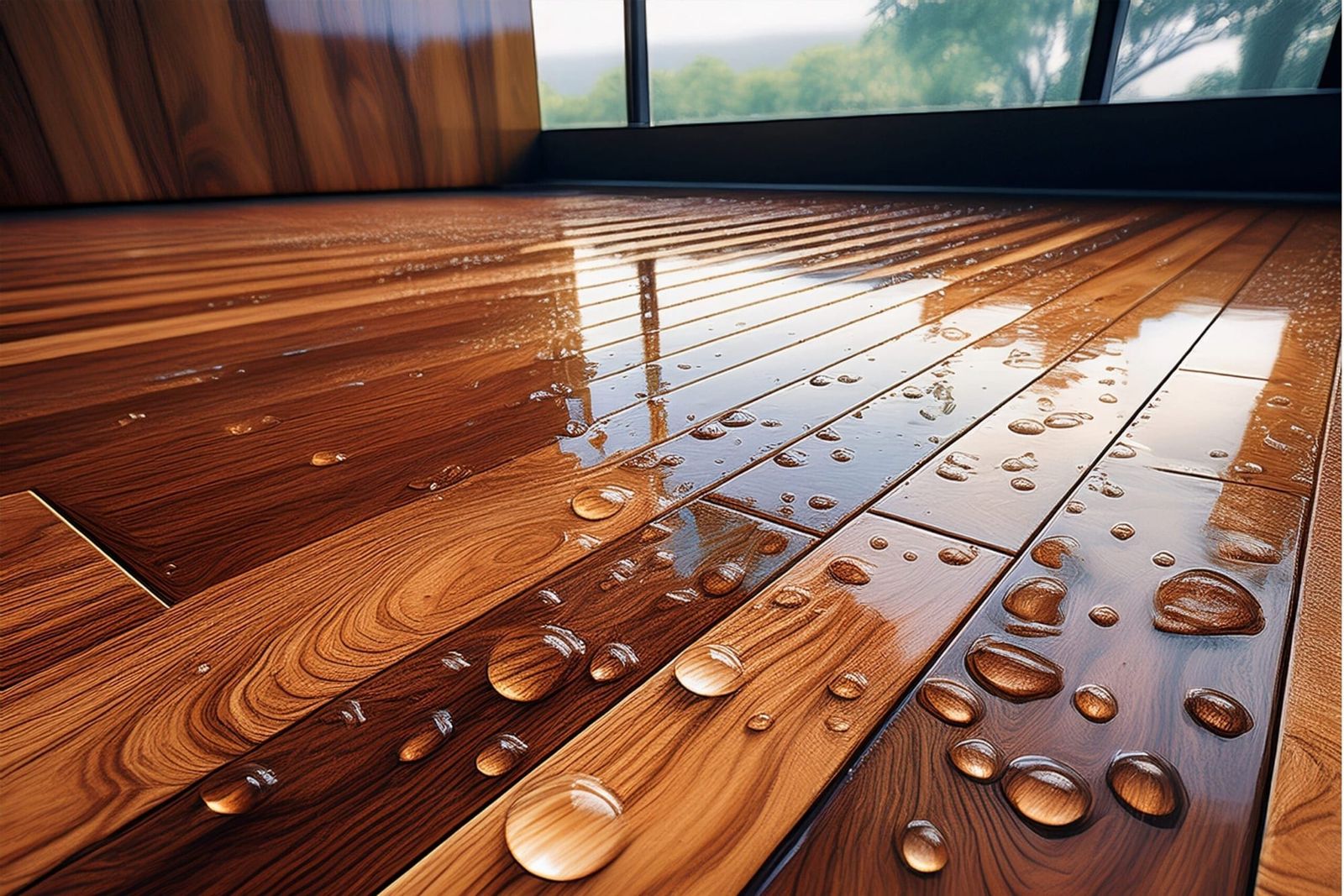
- Not waterproof. Engineered timber resists everyday spills but standing water can damage it, so it’s not suited to bathrooms or laundries.
- Scratches and dents. Just like any real timber, it can mark from pets, furniture and heels, especially in softer species such as oak.
- Quality varies. For instance, cheap boards with thin veneers or weak cores can delaminate or move, so product choice matters.
How Engineered Compares With Solid, Hybrid and Laminate
Engineered timber sits between solid hardwood and synthetic floors. Here’s how engineered timber vs solid timber, hybrid and laminate stacks up.
| Feature | Engineered | Solid | Hybrid | Laminate |
|---|---|---|---|---|
| What you walk on | Genuine hardwood veneer | Hardwood all the way through | Photographic timber image | Photographic timber image |
| Movement with humidity | Minimal | Noticeable | Very little | Little |
| Coping with spills | Wipe up quickly | Wipe up quickly | Handles water well | Wipe up quickly |
| Sanding later on | Possible with 3mm+ veneer | Many times over its life | Not possible | Not possible |
| On a slab | Straight onto the concrete | Plywood layer required first | Straight onto the concrete | Straight onto the concrete |
| Budget | Mid to upper | Upper | Lower | Lowest |
In practical terms, solid timber installed generally costs around $50 to $80 more per m² than engineered, mostly because installers must sand and coat it on site. When weighing engineered timber vs hybrid, think about water. If you need waterproofing for a busy family kitchen, our hybrid flooring may suit better. If you want a lifetime floor that you can sand many times, consider solid hardwood.
Engineered Timber Flooring Prices in Australia (2026)
Engineered timber flooring cost varies widely. Across Australia in 2026, most homeowners spend roughly $150 to $220 per m² fully installed for engineered timber, with entry-level boards starting around $110 and premium wide-plank oak or Australian hardwood going well past $250. Generally, the biggest price drivers are the wear layer, species, board width, grade and installation method.
- Species: engineered oak flooring and Australian natives like Blackbutt and Spotted Gum sit at different price points.
- Board size: wider and longer boards cost more but look more luxurious.
- Grade: clean, knot-free boards cost more than character grades.
- Installation method: glue-down usually costs more than floating, often by about $20 to $40 per m².
- Pattern: herringbone and chevron add significant labour cost.
- Preparation: grinding, levelling and removing old floors add to the total.
A worked example
For a 60m² open-plan living area in a mid-range 3mm oak board, a realistic all-in budget is about $9,000 to $11,400 at $150 to $190 per m². On top of that, allow extra for removing old carpet or tiles and any slab grinding.
Installation Methods for Engineered Timber Flooring
Floating
Boards click or join together and sit on an underlay, so nothing fixes them to the subfloor. This is faster and slightly cheaper. Also, the underlay adds comfort and sound reduction.
Glue‑down
Installers bond the boards directly to the slab with flexible flooring adhesive. As a result, it gives a solid, quiet feel and is the go-to method for apartments and herringbone.
Secret nailed
Installers nail tongue-and-groove boards through the tongue to timber joists or a plywood subfloor, common in older Queenslanders.
Meanwhile, apartment owners will usually need an acoustic system that meets body corporate rules. Our acoustic underlay guide for apartments explains the ratings. For pattern floors, see our herringbone flooring guide. You can also learn more about our timber floor installation process.
Engineered Timber in Brisbane’s Climate
Brisbane’s humidity is one of the main reasons engineered timber flooring in Brisbane has overtaken solid boards in so many local homes. The stable core handles the seasonal swing far better, which means fewer gaps in winter and less cupping in summer. Even so, timber is still a natural material, so a little movement is normal.
In addition, strong north and west sun can fade or darken timber over time, so blinds or UV film help protect it. Similarly, keeping indoor conditions steady, with good airflow during long wet spells, protects both the floor and the finish. If you do notice fine gaps appearing, our guide to preventing gaps in timber floors explains what’s normal.
How to Choose the Right Engineered Timber Floor
- Check the wear layer first. Ideally, aim for 3mm or more for a family home.
- Ask about the core. As a rule, multi-ply plywood or hardwood cores are more stable than thin fibreboard.
- Choose a suitable width. Typically, 180mm to 220mm boards suit most modern Brisbane homes.
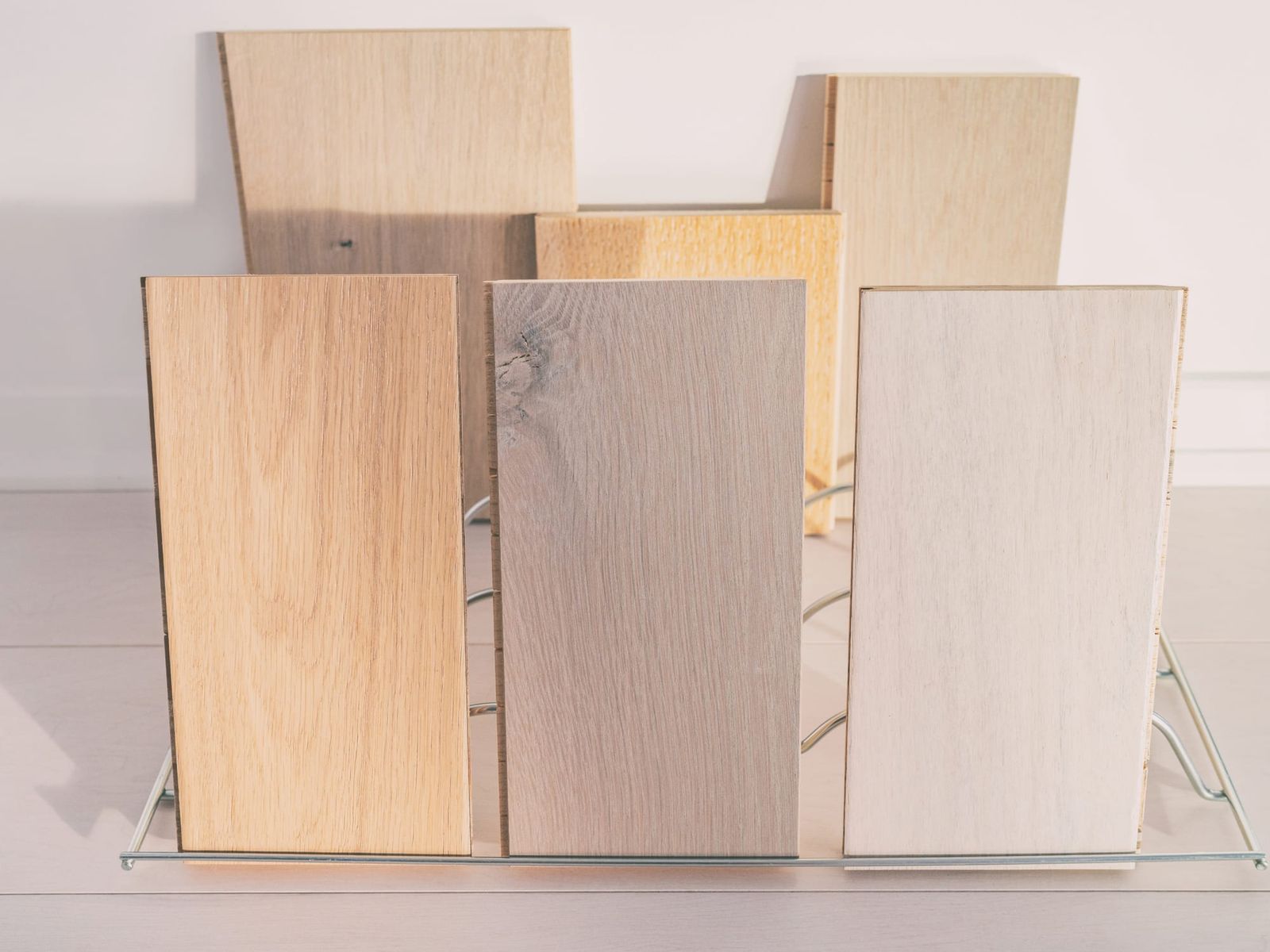
- Pick a finish you can live with. Matt lacquer hides wear well, while oiled finishes feel natural but need more care.
- Match the grade to your style. Select grades look clean and contemporary, character grades hide marks.
- Read the warranty. In particular, check both the structural and wear warranties and what voids them.
- For apartments, ask for acoustic test data on a concrete slab.
Browse our full engineered timber flooring range, including European oak and Australian native species, from brands such as Original Oak Floors, Terra Mater and Riverhill Floors.
Common Myths About Engineered Timber
“It’s just a fancy laminate”
False. In reality, laminate uses a printed photo layer, while engineered timber has a genuine hardwood surface.
“You can never sand it”
Only partly true. You can usually sand and refinish boards with 3mm or more of wear layer.
“It’s cheaper because it’s inferior”
Not necessarily. In fact, premium engineered boards can cost as much as solid timber and outperform it on slabs.
“It’s waterproof”
No. Although it handles spills, standing water and wet areas are best avoided.
Finally, caring for the floor is simple: sweep or vacuum often, then use a barely damp mop and a timber-safe, pH-neutral cleaner. Our step-by-step guide on how to clean hardwood floors covers the details.
Engineered Timber Flooring FAQs
What is engineered timber flooring and how is it made?
It’s a layered real wood floor: a genuine hardwood surface glued over a stable, cross-laid core. It looks like solid timber but moves far less with humidity.
What does engineered timber flooring cost per m² in 2026?
In 2026, engineered timber flooring cost in Australia is typically about $110 to $250 per m² supplied and installed. Most homes spend around $150 to $220, depending on the wear layer, species and installation method.
Is engineered timber flooring good quality?
Quality engineered timber is an excellent floor. Look for a wear layer of at least 3mm, a multi-ply or hardwood core and a reputable brand with a clear warranty.
What is the lifespan of an engineered timber floor?
In general, most quality engineered floors last 25 years or more. Because you can sand and refinish boards with thicker wear layers, their life extends considerably.
Engineered timber vs solid timber: which should I choose?
It depends on your home. Engineered is more stable and easier to lay on concrete, while you can sand solid timber more times. For most slab homes and apartments, engineered is the more practical choice.
Engineered timber vs hybrid: which is better?
Engineered timber offers real wood and stronger resale appeal, while hybrid is cheaper and waterproof. Choose engineered for living areas and character, hybrid for wet-prone, high-traffic spaces.
Can you sand engineered timber flooring?
Yes, if the wear layer is thick enough. Around 3mm or more usually allows sanding and refinishing, while 2mm boards generally allow only a light recoat.
Can you put engineered timber in a kitchen?
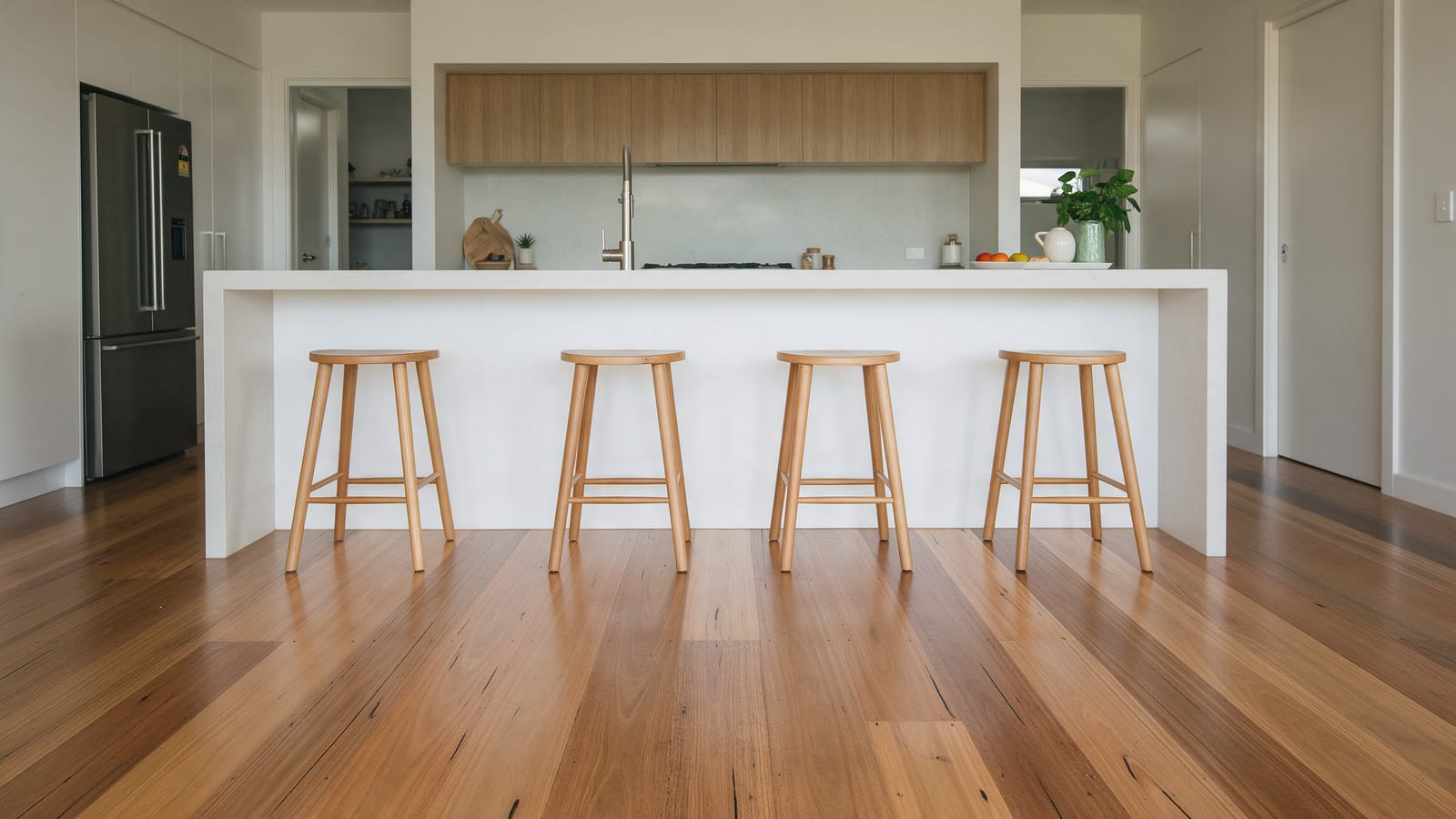
Yes. In fact, many Australian homes use it in kitchens. Wipe spills quickly, use mats near the sink and dishwasher, and avoid it in bathrooms and laundries.
Does engineered timber flooring scratch easily?
Like any real timber, it can scratch. However, harder Australian species and matt or brushed finishes hide marks best, and felt pads on furniture make a big difference.
Compare Engineered Timber in Person
See hundreds of engineered oak flooring and Australian hardwood boards side by side at our Newstead showroom, home to a wide range of engineered timber flooring in Brisbane, and get honest advice on wear layers, finishes and installation. Call (07) 3890 5173 to book.