Care & repairs
Gaps Between Floorboards: How to Prevent, Fix and Fill Them
 Roman Miller10 min read
You notice it one morning in winter: thin dark lines running between your timber floorboards that weren’t there a few months ago. Before you reach for a tube of filler, it’s worth knowing that most gaps between floorboards are completely normal, and that filling the wrong kind of gap can make things worse.
In this guide, the LKV Flooring team in Newstead, Brisbane, explains why gaps appear in timber floors, how to tell a seasonal gap from a real problem, when you should and shouldn’t fill them, which filler suits each gap size, and how to prevent gaps in solid, engineered and hybrid floors.
Quick answer
Small, even gaps that open in the drier months and close again when humidity returns are normal timber movement and usually don’t need filling. Gaps that stay open all year, keep widening, or appear in only one area point to a moisture, subfloor or installation issue. Permanent gaps can be filled with a flexible filler, timber slivers or, for very wide gaps, replacement boards. Hybrid and laminate gaps are different: they usually mean the click joints have separated and need to be closed, not filled.
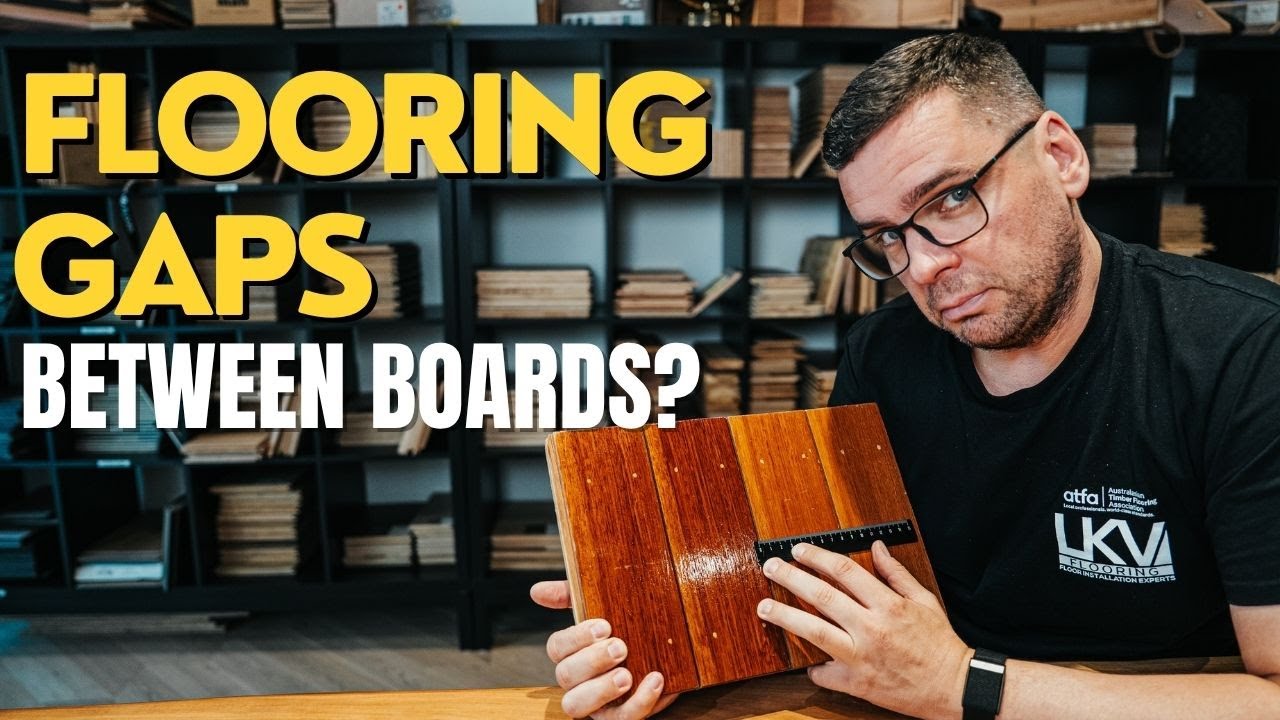
Should There Be a Gap Between Floorboards?
Some gapping is expected in a solid timber floor. Timber is a natural material that takes in moisture from the air and releases it again, so each board gets slightly wider and narrower through the year. The Australian Timber Flooring Association (ATFA) provides useful benchmarks for what counts as normal.
- 0.25mm: Movement in an 80mm hardwood board for every 1% change in moisture content
- 0.75mm: Average gap across 10 boards that can be acceptable in drier conditions
- 1.8mm: Average gap considered beyond acceptable in the same 80mm floor
Benchmarks based on ATFA guidance for solid timber strip flooring. Wider boards can show proportionally wider gaps.
What counts as normal
In other words, a fine, even line between most boards during a dry spell is a timber floor doing exactly what timber does. What isn’t normal is a handful of wide, irregular gaps, gaps that never close, or boards that are also cupping, lifting or splitting.
Why Gaps Appear Between Floorboards in Brisbane
Why Brisbane floors move
South East Queensland’s climate drives most of the movement we see. Brisbane’s humid summers push moisture into timber, while the drier months of winter and early spring draw it back out. Air-conditioning, sunny north-facing rooms and homes that are closed up for long periods all add to the swing.
Humid summer
Boards absorb moisture and swell. Gaps tighten or close completely. Too much moisture can cause cupping.
Dry winter and spring
Boards release moisture and shrink. Fine gaps open along board edges. This is when most people first notice them.
Indoor hotspots
Air-con vents, heaters and large sunny windows dry out local areas, so gaps can be wider in one room than another.
Other common causes of gaps in timber floors
- Boards not acclimatised before installation. Timber laid before it settles to the home’s conditions keeps adjusting after it’s fixed down.
- Installation issues. Boards not cramped tightly, poor fixing or the wrong adhesive can leave gaps from day one.
- Edge bonding. When coating glues several boards together, they shrink as one panel and open a single wide gap instead of several fine ones.
- Subfloor or structural movement. Loose joists, settling stumps or an uneven slab can pull boards apart in one area.
- Moisture from below. Poor subfloor ventilation, plumbing leaks or a damp slab can cause boards to swell, cup and later shrink unevenly.
- Age and wear. Older floors that have been sanded several times have less tongue left, so boards move more freely.
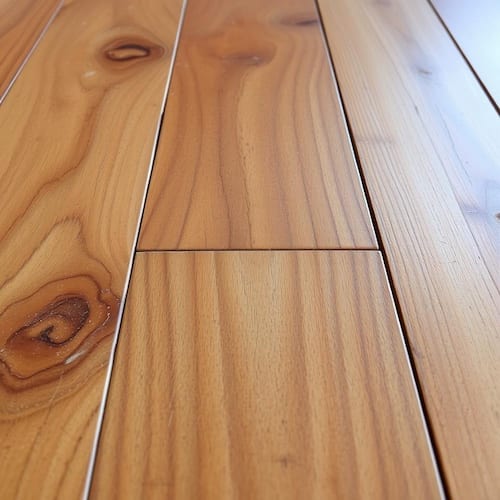
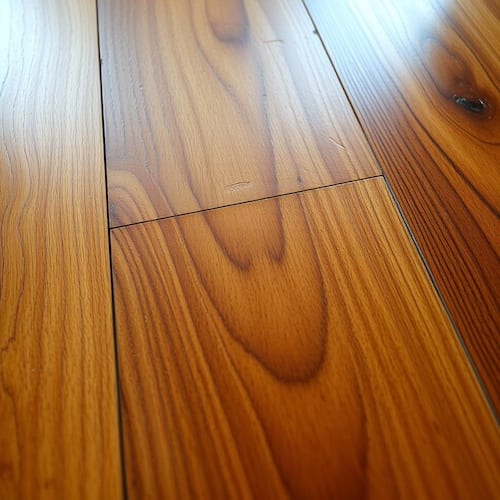
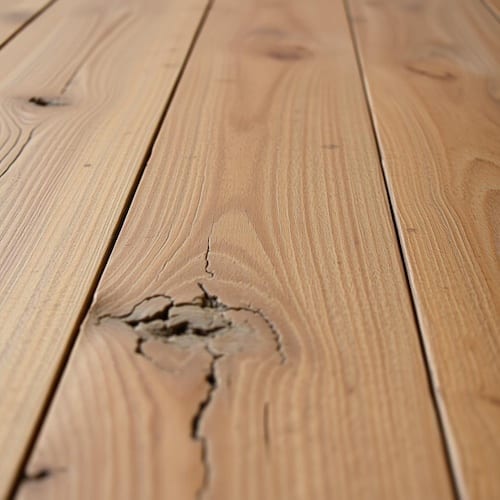
Seasonal Gap or Real Problem? How to Tell
The single most useful thing you can do before fixing anything is watch the floor through a full season. Use this table to read what you’re seeing.
| What you see | Likely cause | What to do |
|---|---|---|
| Fine, even gaps across the room that close in summer | Normal seasonal shrinkage | Leave them. Stabilise indoor humidity. |
| A few wide gaps with tight boards in between | Edge bonding from the coating | Professional assessment. Fill once movement settles. |
| Gaps that stay open all year | Permanent shrinkage or installation issue | Fill with a suitable filler or timber slivers. |
| Gaps in one area, with cupping or soft spots | Moisture or subfloor problem | Find and fix the cause before any repair. |
| Gaps wider than about 15mm | Severe shrinkage or damage | Replace boards with matched timber. |
Should You Fill Gaps Between Floorboards?
The short version
This is the question we’re asked most, and the honest answer is: not always. Filling a gap that is still moving often fails. When the boards swell back in summer, a rigid filler has nowhere to go, so it cracks, pops out or pushes the boards up.
Leave the gaps when
- They’re small and even across the floor
- They open in winter and close in summer
- The floor is less than a year or two old
- You’d be using a rigid filler
Fill the gaps when
- They stay open through a humid summer
- They trap dirt or let in draughts
- You’re sanding and recoating the floor anyway
- The cause has been found and fixed
Got a new floor?
ATFA also notes that filling board edges is generally not recommended on new solid timber floors, so if your floor is recent, speak to your installer before doing anything.
How to Fill Gaps Between Floorboards
The right filler depends on the size of the gap and whether it still moves. Here’s how professionals typically match the method to the gap.
| Gap size | Best method | Notes |
|---|---|---|
| Hairline to about 2mm | Trowel filler mixed with sanding dust from your own floor | Done during a sand and polish so the colour matches |
| A single gap on a sound floor | Flexible timber floor filler from a cartridge | No full sand needed; stays flexible as boards move |
| About 2mm to 6mm | Flexible filler, or jute or cotton cord topped with filler | Cord compresses as boards swell |
| About 6mm to 15mm | Timber slivers glued to one side of the gap | Sanded flush and coated with the rest of the floor |
| Wider than about 15mm | Board replacement with matched timber | No filler is reliable at this width |
Always fill when gaps are at their widest, during the drier months, so the filler isn’t squeezed out later.
Step by step: filling a permanent gap
- Confirm the gap is permanent. Check it through at least one humid season.
- Clean the gap thoroughly. Use a thin blade or scraper and vacuum out all dust and debris.
- Choose a matched filler. Test the colour on an offcut or hidden area first.
- Apply and press firmly. Work the filler or cord into the gap, slightly proud of the surface.
- Let it cure and sand flush. Follow the drying time on the product before sanding.
- Recoat the area. Seal the repair so it matches the sheen of the surrounding floor.
A common myth: sanding a floor doesn’t close gaps. Sanding levels the surface and removes the old coating, but the gaps stay the same width. Sanding is simply the best time to fill them, because the floor is being recoated anyway.
Gaps in Hybrid and Laminate Flooring
Gaps in hybrid and laminate floors have different causes from solid timber, so filler is rarely the answer. These floating floors click together at the joints, and a gap usually means a joint has pulled apart.
- Heat and direct sun. Large windows can heat planks, causing movement that opens the end joints.
- No room to move. If the expansion gap is too small, or heavy furniture and cabinets pin the floor, planks push against each other and separate.
- An uneven subfloor. Dips and humps flex the click joints every time someone walks over them.
- Damaged locking profiles. Joints forced together during installation may not hold long term.
The fix for floating floors
Small end gaps can often be closed by tapping the planks back together with a plank gap tool. If gaps keep returning, the underlying cause, such as a subfloor issue or a floor that can’t expand, needs fixing. Filling a hybrid gap hides the symptom but stops the floor moving as it was designed to.
Gaps in Engineered Timber Flooring
Why engineered timber gaps less
Engineered timber is built in cross-laid layers, which makes it far more stable than solid boards. Many products also use a 5G or click locking system that holds boards tightly together. That’s why engineered timber flooring generally shows much less seasonal gapping, making it a smart choice for homeowners who want the look of real timber with less maintenance.
If gaps do appear in an engineered floor, they usually point to a moisture issue, an uneven subfloor or a joint that wasn’t fully engaged. These are best assessed by an installer rather than filled.
How to Prevent Gaps in Timber Floors
- Acclimatise the timber. Let boards adjust to your home’s conditions before they’re laid, following the manufacturer’s guidance.
- Check moisture levels. A good installer tests both the boards and the subfloor before installation.
- Choose the right product for the room. Engineered timber and hybrid suit spaces with big temperature swings better than wide solid boards.
- Keep indoor conditions steady. Avoid running air-conditioning hard in a closed-up home for long periods. A dehumidifier helps in humid months and good ventilation helps all year.
- Protect from direct sun. Blinds or UV film reduce heat build-up in north and west-facing rooms.
- Use a licensed installer. Correct fixing, cramping and expansion gaps prevent most installation-related gaps.


Mistakes That Make Floorboard Gaps Worse
- Filling seasonal gaps with rigid putty. It cracks or pushes out when the boards swell.
- Filling in summer. Gaps are at their narrowest, so the filler gets squeezed when the floor shrinks again.
- Ignoring the cause. Filling gaps over a damp subfloor or loose joist only hides the problem.
- Using filler on hybrid or laminate. Floating floors need room to move, not a rigid seal.
- Mismatched colour. Filler that doesn’t match the timber can look worse than the gap.
When to Call a Flooring Professional
When to get it checked
Small, even seasonal gaps are rarely a concern. Book a professional inspection if the gaps are wider than a few millimetres, keep getting worse each year, appear alongside cupping, lifting or soft spots, or are concentrated in one part of the house. These signs often point to moisture or structural issues that need to be fixed first.
For severe gaps, damaged boards may need to be replaced. Replacement boards must be matched to species and colour, acclimatised and fixed correctly, which is work best done by an experienced installer like LKV Flooring.
Explore Stable Timber Flooring Options
If you’re planning new floors and want to minimise gapping, both quality solid hardwood and engineered timber are excellent choices when installed correctly.
Frequently Asked Questions
Is it normal to have gaps between floorboards?
Yes. Small, even gaps that open in drier months and close when humidity rises are normal movement in solid timber floors and aren’t a fault.
Should I fill gaps between floorboards?
Only if they stay open all year. Seasonal gaps are best left alone, because rigid filler cracks or pushes out when the boards swell again.
What is the best filler for gaps in timber floors?
For fine gaps, a trowel filler mixed with sanding dust gives the best colour match. For individual gaps, a flexible timber floor filler works well. Wider gaps suit timber slivers, and very wide gaps need replacement boards.
Can I fill gaps in floorboards without sanding?
Yes. A flexible filler applied from a cartridge can fill individual gaps without a full sand. For a seamless result across a whole floor, filling during a sand and polish is best.
When is the best time to fill floorboard gaps in Brisbane?
During the drier months of winter and early spring, when gaps are at their widest. Filling in humid summer weather means the filler can be squeezed out later.
How do I fix gaps in hybrid flooring?
Small end gaps can usually be tapped closed with a plank gap tool. If they keep returning, check the expansion gap, subfloor flatness and whether anything is pinning the floor down.
Does sanding remove gaps between floorboards?
No. Sanding levels the surface but doesn’t change the gap width. It’s the ideal time to fill gaps, though, because the floor is recoated afterwards.
When should I worry about gaps in my floor?
When gaps are wide, irregular, don’t close in summer, get worse each year, or come with cupping, lifting or soft spots. These signs suggest a moisture or subfloor problem.
Worried About Gaps in Your Floor?
The LKV Flooring team can assess your floor, find the cause and recommend the right fix, whether that’s filling, repair or new flooring. Visit our showroom at 77 Doggett Street, Newstead, or call (07) 3890 5173.