Care & repairs
How to Clean Vinyl Flooring: A Step-by-Step Guide for Australian Homes
 Roman Miller9 min read
Vinyl is one of the easiest floors to live with. It shrugs off spills, feels softer underfoot than tiles and needs very little effort to look good. Even so, plenty of vinyl floors end up dull, sticky or lifting at the seams, and the cause is almost always the cleaning routine rather than the floor.
Below, you’ll learn how to clean vinyl flooring properly, whether you have sheet vinyl, vinyl tiles or vinyl plank. We cover the right tools, a simple seven-step method, the truth about vinegar and steam mops, quick fixes for common stains and practical advice for Brisbane homes, drawn from the hard-floor experience of our Newstead team at LKV Flooring.
How to clean vinyl flooring in 3 steps
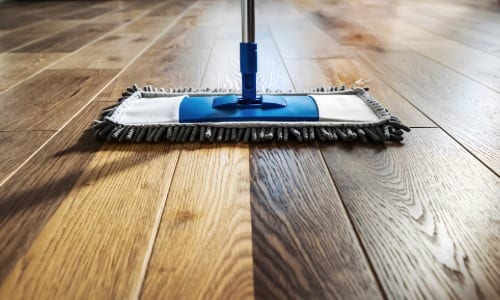
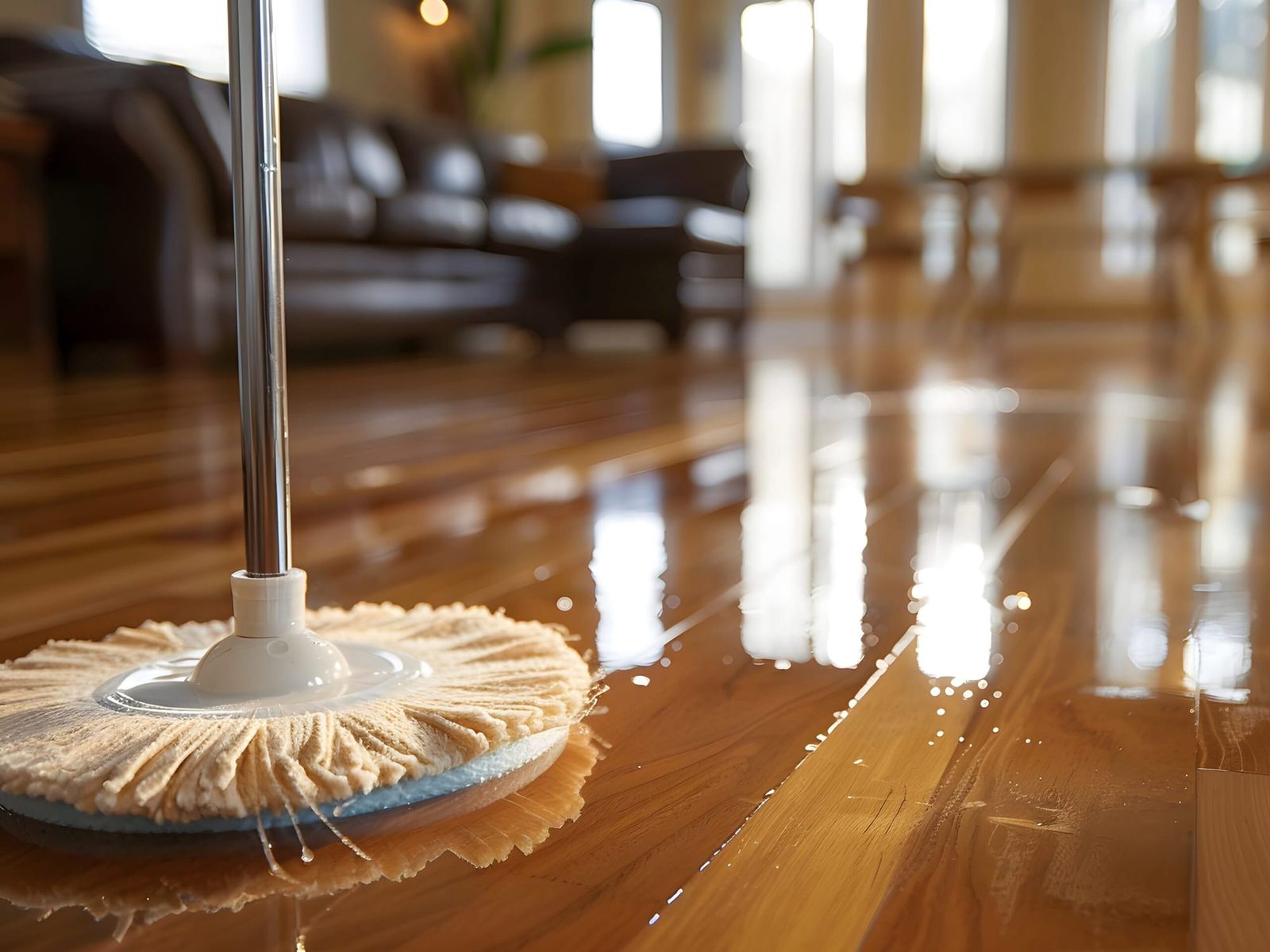
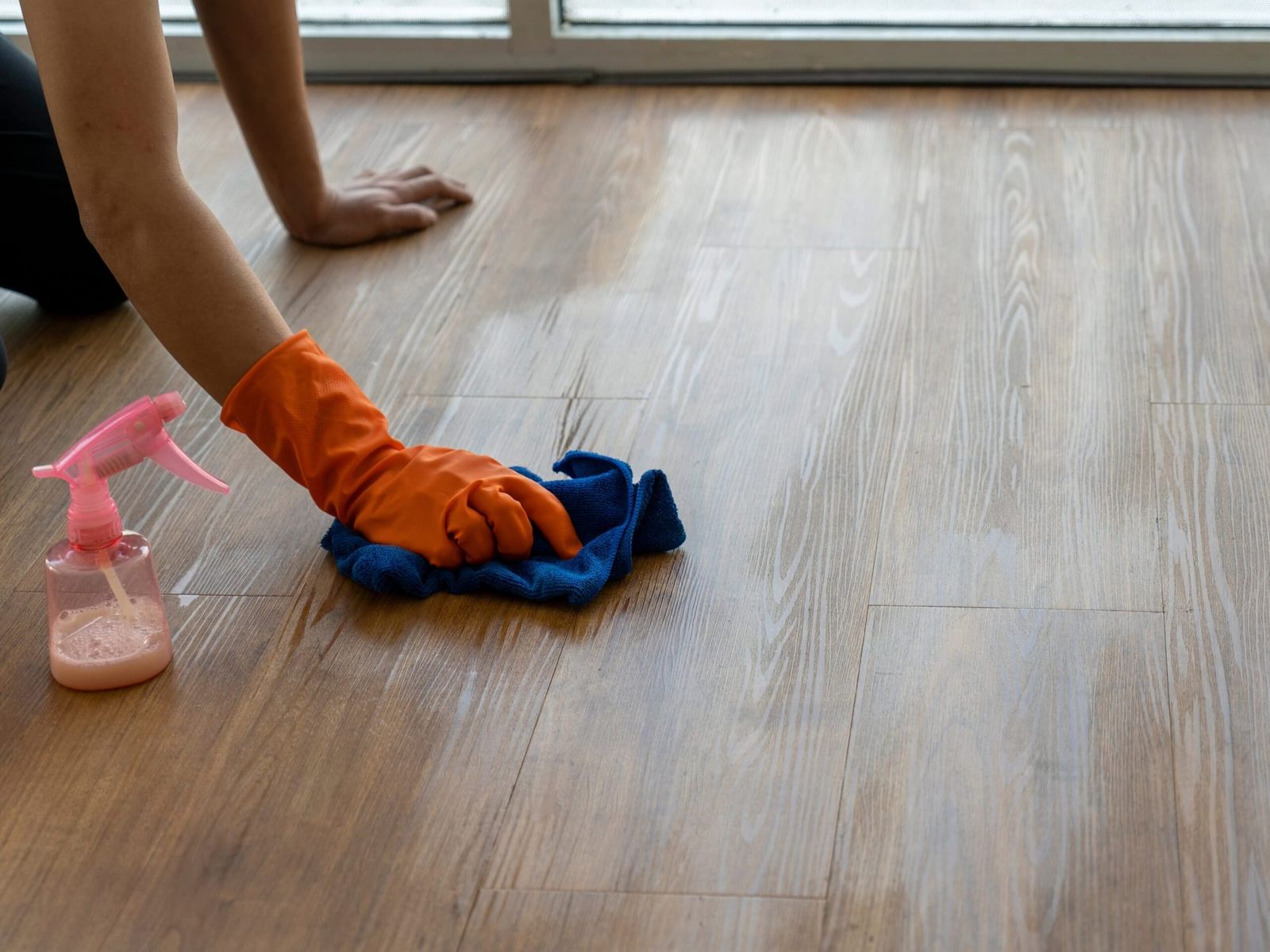
First, sweep or vacuum with a soft brush head to lift grit. Next, mop with a barely damp microfibre pad and a pH-neutral vinyl cleaner. Finally, wipe away any leftover moisture so water can’t seep into the seams. Skip steam mops, wax, bleach and abrasive pads.
- 24 hrs: Wait this long after installation before the first clean
- 1:20: The usual vinegar-to-water mix, only if your manufacturer allows it
- Weekly: Damp mop for most homes, with a quick dry clean every few days
First, Identify Your Type of Vinyl
Before working out how to clean vinyl flooring in your home, check which type you have. Each one reacts a little differently to water and cleaning products.
Sheet vinyl
Large rolls glued down in one piece, common in older kitchens and laundries. Few seams mean it tolerates mopping well.
Vinyl tiles
Square or rectangular pieces, usually glued. Water sitting in the joins can weaken the adhesive over time.
Vinyl plank (LVP)
Plank-shaped vinyl with a realistic timber look, laid as glue-down, loose-lay or click-together.
Got hybrid floors? Hybrid planks look like vinyl plank but have a rigid core and a floating installation, so their care differs slightly. Our hybrid flooring guide covers them.
The 7‑Step Method for Cleaning Vinyl Floors
This routine suits most homes once a week. It takes under half an hour, and the floor should dry within minutes without streaks. Gather a soft broom or vacuum with a hard-floor setting, a flat microfibre mop, a couple of soft cloths and the best cleaner for vinyl floors: a pH-neutral product labelled vinyl-safe.
Step 1: Clear the room
Move rugs, chairs and bins aside so nothing gets in the way.
Step 2: Lift the grit
Sweep or vacuum every corner and along the skirting, with any beater bar switched off.
Step 3: Mix the cleaner
Dilute a pH-neutral vinyl cleaner exactly as the label says. Extra product only leaves residue.
Step 4: Wring the mop well
The pad should feel barely damp. If it drips, wring it again.
Step 5: Mop in sections
Work in overlapping strokes and swap or rinse the pad as soon as it looks grubby.
Step 6: Rinse if sticky
On tacky floors, follow with a plain-water pass to lift any soapy film.
Step 7: Dry the seams
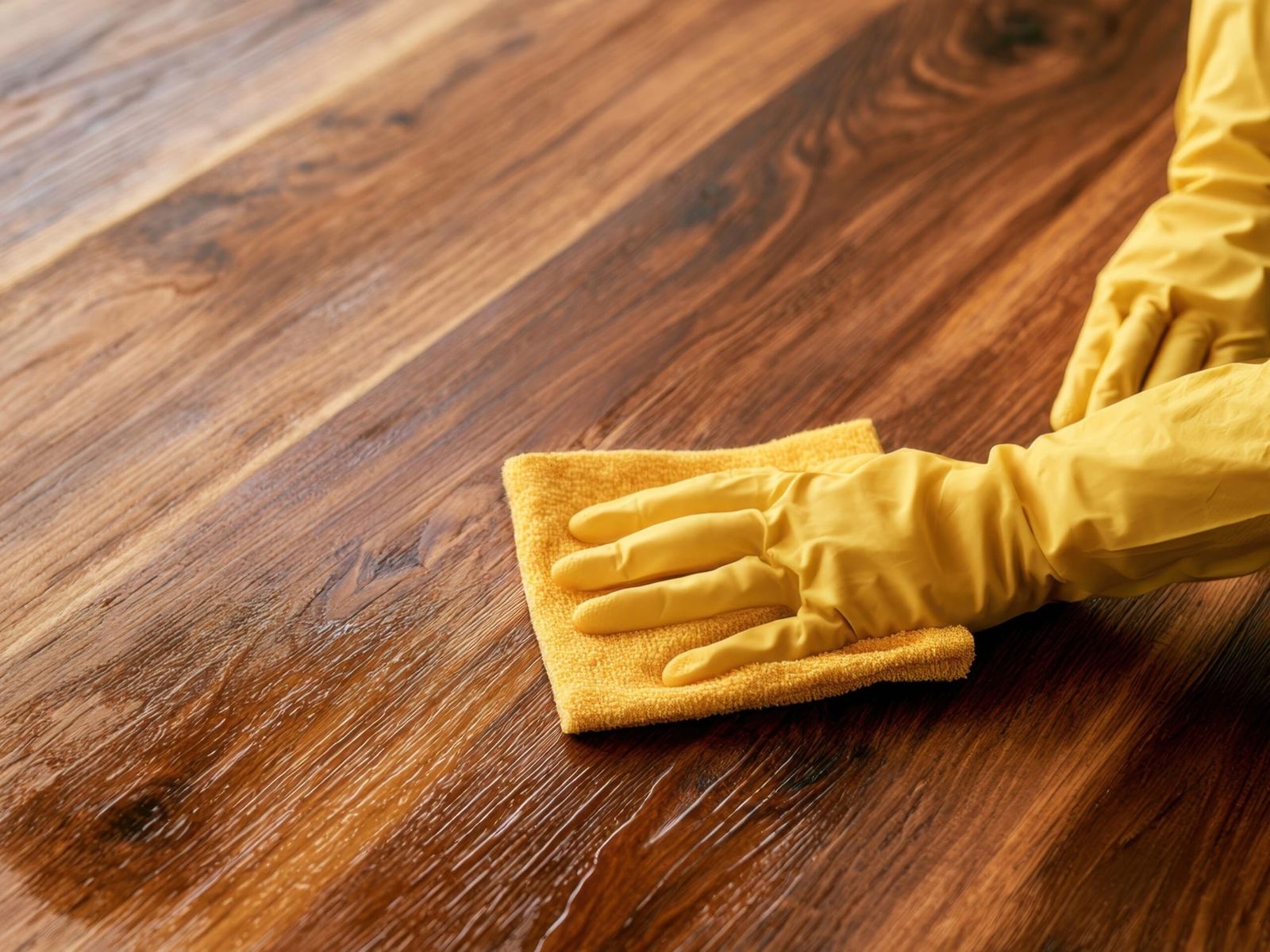
Wipe up remaining moisture, especially at joins, edges and doorways.
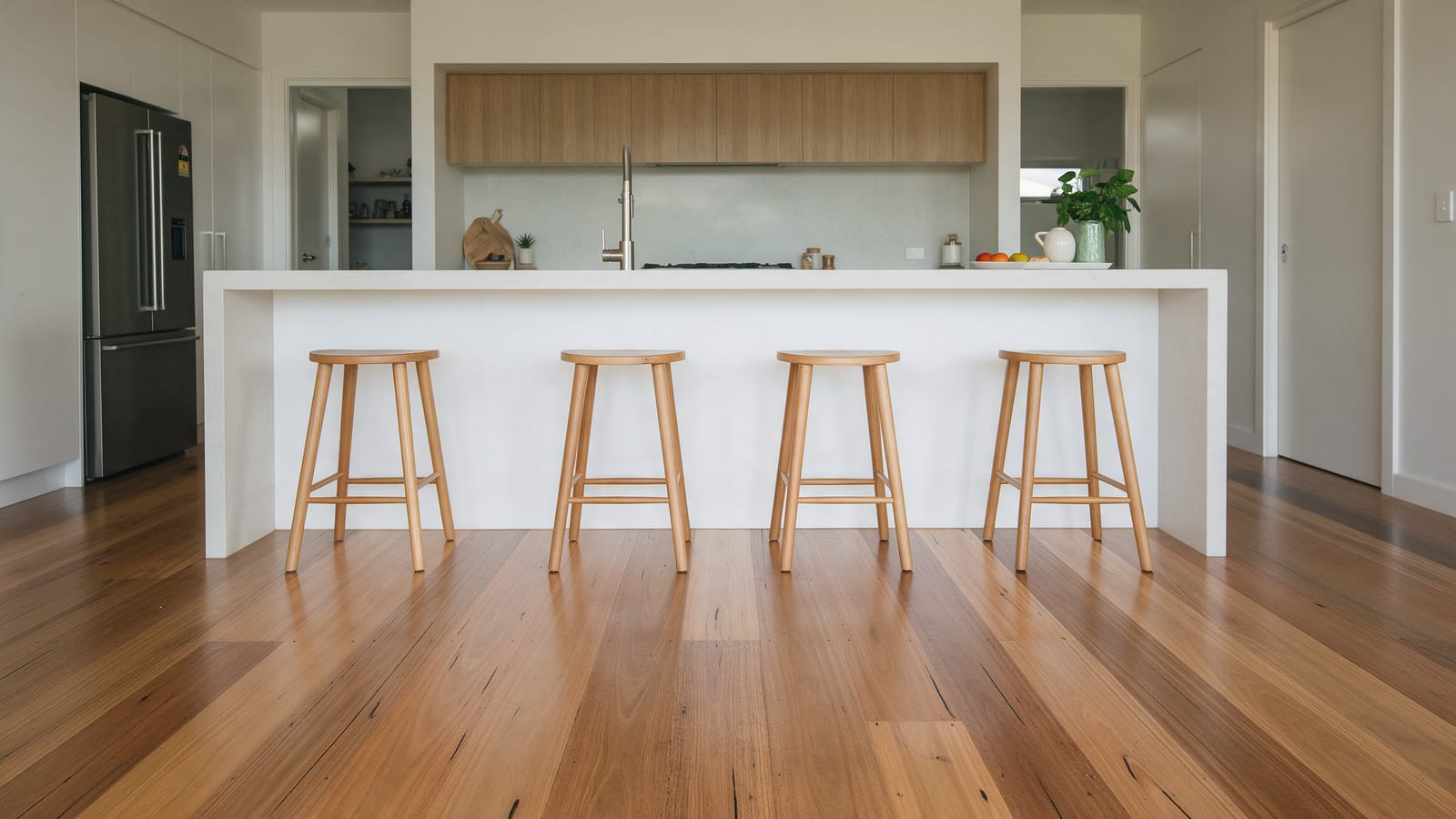
The result: a clean, dry floor
Light moisture and the right product keep vinyl looking new for years.
Vinyl plank floors with bevelled edges collect dust in the grooves, so run the vacuum head along the length of the planks rather than across them. Seeing streaks afterwards? In most cases, too much cleaner causes them rather than dirt. Use less product, rinse your pad more often and finish with a dry microfibre cloth.
Vinyl Floor Cleaning Dos and Don’ts
Do
- Use a pH-neutral cleaner labelled safe for vinyl
- Clean with a flat microfibre mop
- Wipe spills straight away
- Lift furniture rather than dragging it
- Follow your manufacturer’s care guide
- Use non-rubber-backed doormats
Don’t
- Use a steam mop or a dripping string mop
- Clean with bleach, ammonia or harsh solvents
- Scrub with steel wool or stiff brushes
- Apply wax or “mop and shine” products
- Leave water sitting in seams
- Use rubber-backed mats that can stain
How Often to Clean Vinyl Flooring
- Daily: Dry clean entries and kitchens in homes with kids or pets
- Weekly: Vacuum the whole floor and damp mop with vinyl cleaner
- Seasonal: Deep clean seams and edges, and check for lifting
- Yearly: Replace worn felt pads and refresh entry mats
Busy entrances, kitchens and laundries often need extra attention between these cleans, while quieter bedrooms may only need a fortnightly mop. As a rule of thumb, the more grit that reaches your floor, the more often you should dry clean it. Sand and fine dirt cause most of the tiny scratches that make vinyl look dull, so a quick vacuum every couple of days protects the surface far more than an occasional heavy mop. Similarly, wiping spills the moment they happen saves you from scrubbing dried marks later, which is when most accidental damage occurs.
Vinegar and Steam Mops: Myths vs Facts
Questions about using vinegar on vinyl floors and steam mops cause more confusion than anything else when people research how to clean vinyl flooring, and even flooring brands disagree. Here’s the honest picture.
- You may have heard: “Vinegar is a safe, natural vinyl cleaner.”
- The reality: Partly true. Some manufacturers allow a weak mix, with one suggesting about 200ml of white vinegar in 4 litres of water. Others warn that acids dull the coating. Check your warranty first, keep it weak and occasional, and never use it on waxed sheet vinyl.
- You may have heard: “Steam mops give vinyl a deeper clean.”
- The reality: False. Steam forces heat and moisture into seams, which can soften adhesive and cause curling or bubbling. Most vinyl warranties exclude steam damage.
- You may have heard: “Robot mops will ruin vinyl floors.”
- The reality: Not if set up correctly. Use the lowest water flow and an approved cleaner, and choose soft brushes on robot vacuums.
- You may have heard: “More cleaner means a cleaner floor.”
- The reality: False. Excess product leaves a sticky film that attracts dirt and causes streaks. Always dilute as the label directs.
Quick Fixes for Common Vinyl Stains
Start gently and test any product on a hidden spot first. Acting quickly makes the biggest difference, because most marks lift easily while fresh but can set once they dry.
Black scuff marks
Buff lightly using a soft white eraser or tennis ball.
Grease and cooking oil
Wipe with diluted pH-neutral cleaner, then rinse with plain water.
Crayon, marker or ink
Dab with a cloth lightly moistened with isopropyl alcohol.
Hair dye or food colouring
Blot at once, then treat with isopropyl alcohol before it sets.
Nail polish
Lift with a plastic card; test any remover first, as some solvents mark vinyl.
Yellow patches under mats
Usually caused by rubber backing; switch to vinyl-safe mats.
Cleaning Vinyl Flooring Room by Room
Vinyl often sits in the hardest-working rooms of the house, so each one benefits from a slightly different approach.
Kitchens
Grease and crumbs build up fastest here. Spot-clean around the bench and stove daily, and keep a cloth handy for spills near the dishwasher and fridge.
Bathrooms
Soap residue and moisture are the main enemies. Dry splashes after showers, ventilate well and use a non-slip, non-rubber-backed bath mat.
Laundries
Detergent drips and lint collect quickly. Wipe up powder or liquid spills straight away, as concentrated detergent can leave sticky patches.
How to Deep Clean Vinyl Floors
Knowing how to clean vinyl flooring weekly is only half the job. Once or twice a year, a deeper clean removes the fine film that weekly mopping misses. Start by moving furniture and vacuuming under appliances, where dust gathers. Then mix your vinyl cleaner at the strength recommended for heavier soiling, and work in small sections with a soft-bristle brush on textured areas.
After each section, follow with a clean-water pass and dry the area straight away. Pay close attention to seams, tile edges and the line along the skirting, since these spots trap the most grime. Finally, look for lifted edges, bubbles or worn patches, because catching these early makes repairs far easier.
Cleaning Vinyl Flooring in Brisbane Homes
Beach sand
Fine sand acts like sandpaper underfoot, so dry clean high-traffic paths every day or two.
Storm mud
Let muddy prints dry, then vacuum them before mopping instead of smearing wet mud.
Humid summers
Between December and March, ventilate rooms and lift damp mats to prevent mould and loose seams.
Strong sun
Harsh afternoon sun through big windows gradually fades vinyl, so window coverings help.
Protect your vinyl between cleans
- Doormats inside and out
- Felt protectors on chair legs
- Castor cups under heavy furniture
- Lift appliances, never slide them
- Trim pet nails regularly
- Wipe muddy paws at the door
- Close blinds in peak sun
- Wipe spills immediately
Older or waxed sheet vinyl? Treat it gently. Avoid soaking, skip vinegar and harsh cleaners, and use products made for waxed floors. If the surface has worn through, cracked or started lifting, cleaning won’t revive it, and it may be time for new flooring.
When Cleaning Isn’t Enough: Signs to Replace Vinyl
Even with perfect care, vinyl eventually wears out, typically after 10 to 20 years depending on quality and traffic. Knowing how to clean vinyl flooring helps it last, but no routine can fix physical damage. These signs suggest it may be time for new flooring:
- Edges or seams that keep lifting after cleaning
- Bubbles, curling or soft spots underfoot
- A worn-through surface where the pattern has faded
- Yellowing or discolouration that won’t clean off
- Mould returning beneath the surface
Many Brisbane homeowners replace tired vinyl with rigid-core hybrid, which offers a similar look with a tougher build. See how our team handles hybrid floor installs, compare options in our guide to types of timber flooring, or read how to clean hardwood floors if you also have real timber.
How to Clean Vinyl Flooring: FAQs
What’s the most effective way to clean vinyl flooring?
Lift grit with a broom or vacuum first. After that, run a lightly dampened microfibre pad over the floor using a vinyl-safe, pH-neutral cleaner, then dry any wet patches.
What is the best cleaner for vinyl plank floors in Australia?
A pH-neutral hard floor cleaner labelled safe for vinyl is the best choice. Check your flooring manufacturer’s care guide, as some brands recommend specific products.
Can you use vinegar on vinyl floors?
Only if your manufacturer allows it. If approved, use a weak mix of about 1 part vinegar to 20 parts water occasionally, and avoid it on older or waxed sheet vinyl.
Can you use a steam mop on vinyl flooring?
No. Steam pushes heat and moisture into seams and can loosen adhesive or warp the vinyl, and most warranties exclude steam damage.
How often should you mop vinyl floors?
Most homes need a damp mop weekly to fortnightly, with dry cleaning every few days. Households with young children or animals often need a weekly mop and a daily vacuum.
Why are my vinyl floors sticky after mopping?
Stickiness usually comes from too much cleaner. Mop again with plain warm water and a clean pad, then use less product next time.
Can you use bleach on vinyl floors?
It’s best avoided. Bleach and ammonia can damage the protective layer and discolour vinyl. For tough marks, use a vinyl-safe cleaner or isopropyl alcohol on a cloth.
How do you get vinyl floors to shine again?
Remove any cleaner build-up with a plain-water rinse and a fresh microfibre pad. Modern vinyl has a factory coating, so avoid wax or shine products, which leave a cloudy film.
Ready for a Floor That’s Even Easier to Love?
If your vinyl is worn, lifting or tired, our team can help you choose a tougher hybrid or timber floor. Visit our Newstead showroom or call (07) 3890 5173 for a free measure and quote.