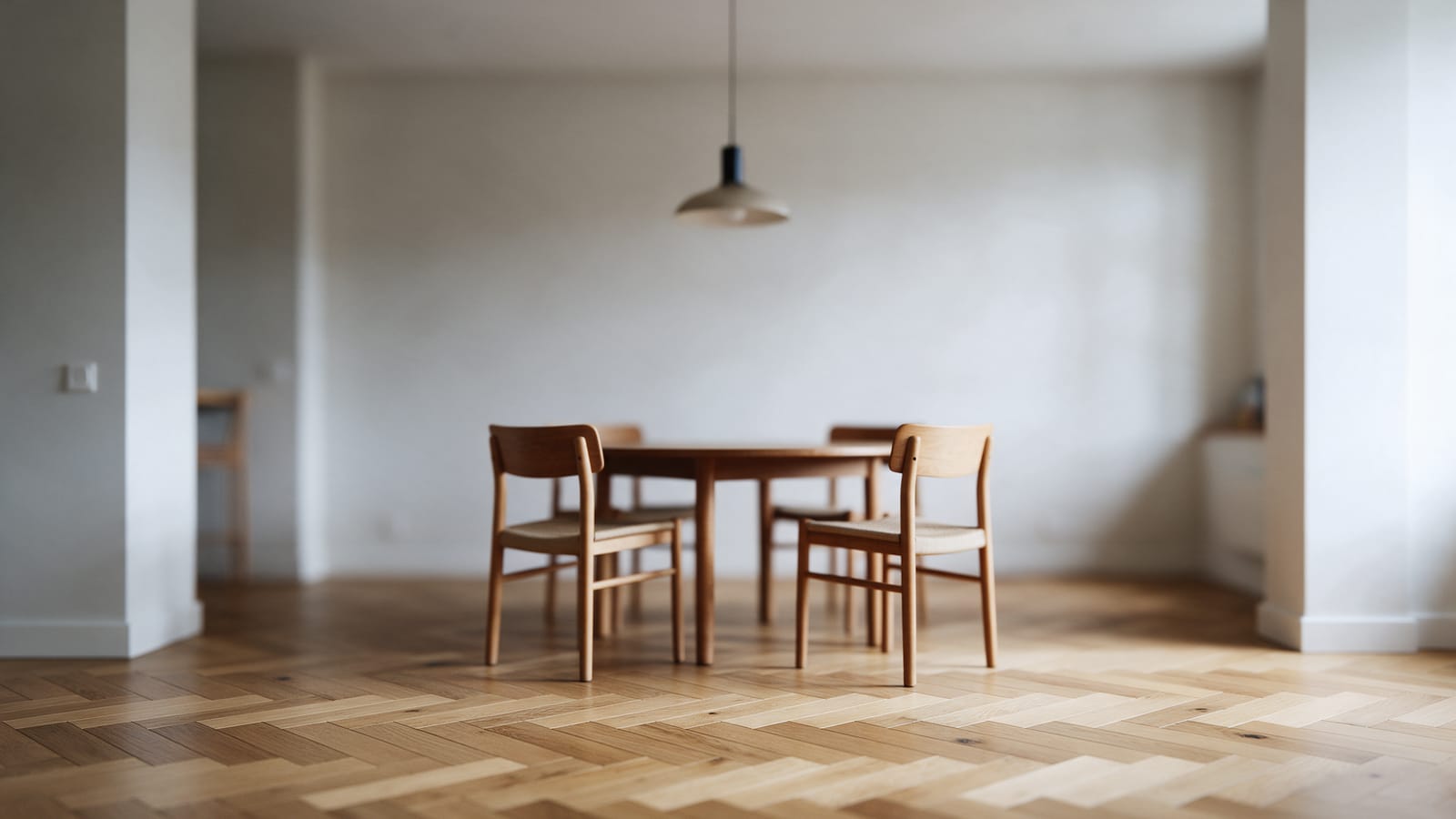
Choosing floors
European Oak Flooring: Grades, Colours and Costs in Australia
 Roman Miller9 min read
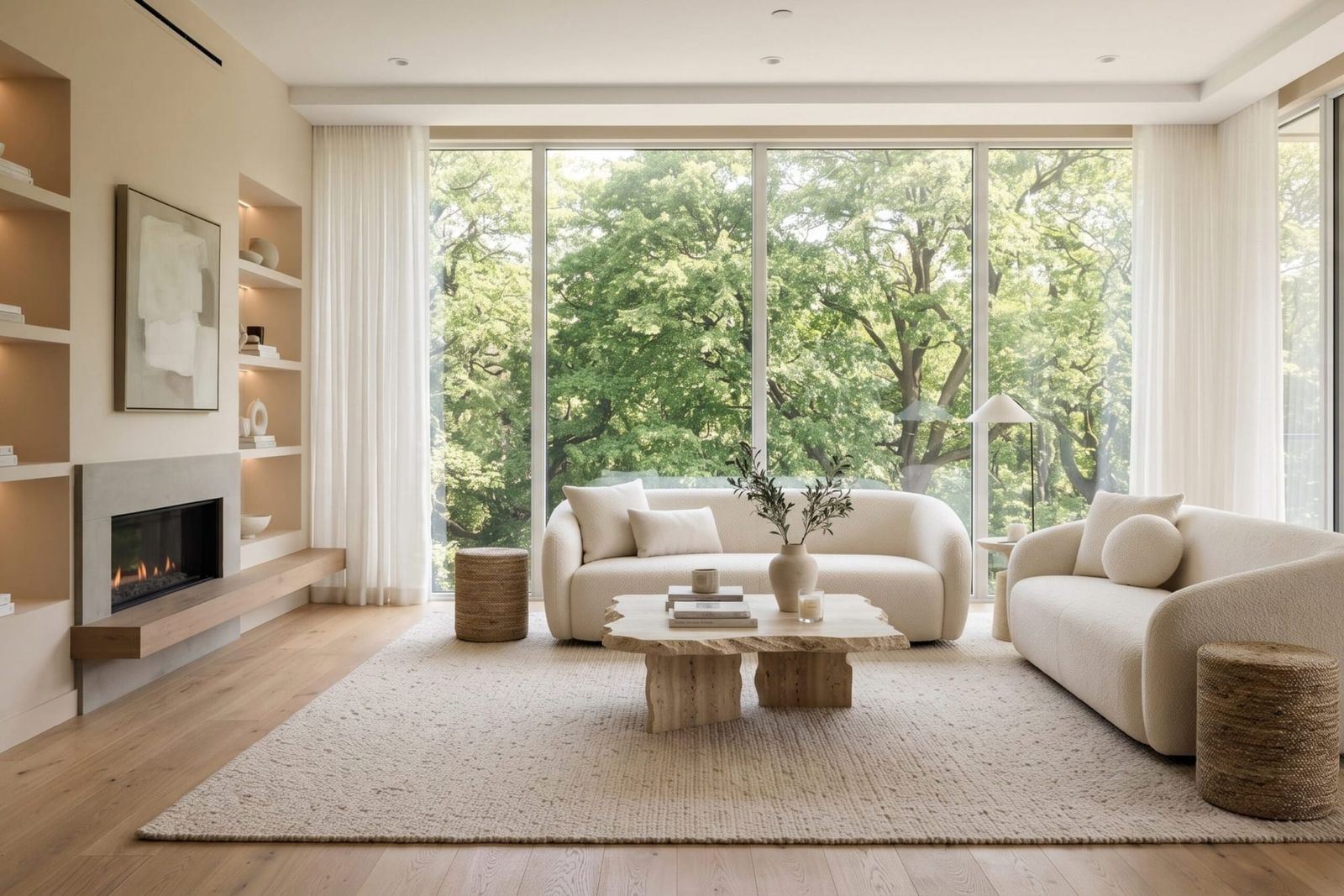
Look through any Australian interior magazine, and you’ll see the same floor again and again: wide, soft-toned European oak. It has become the go-to timber for architects and renovators because it suits almost every style, from pale Scandinavian to rich, smoked contemporary looks.
This guide explains European oak flooring in practical terms: where it comes from, how the grading system works, the colours and finishes available, what it really costs in Australia in 2026, and how to choose a board that will last. We’re LKV Flooring in Newstead, Brisbane, and European oak is one of the floors we supply and install most often.
What is European oak flooring?
European oak flooring is made from Quercus robur and Quercus petraea, oak species grown across France, Germany, Poland, Croatia and other parts of Europe. It’s prized for its calm grain, wide boards and ability to take colour. In Australia, most European oak is sold as engineered boards and typically costs around $110 to $250 per m² installed, depending on grade, veneer thickness and width.
Oak at a glance
- Species: Quercus robur, Q. petraea
- Main sources: France, Central and Eastern Europe
- Janka hardness: About 5.5 kN
- Common formats: Engineered, solid, herringbone
- Typical widths: 180mm to 260mm+
- Popular grades: A to D, Select to Rustic
Why European Oak Is So Popular in Australia
European oak has overtaken many local species in new Australian homes for a few reasons. Its grain is calmer and more even than most eucalypts, so it suits modern minimalist interiors without looking busy. It’s available in wide, long engineered planks that make open-plan spaces feel larger. And because its natural colour is fairly neutral, it takes stains, smoking and lime washes beautifully, giving designers far more colour options than most local timbers.
It also suits the way Australians build today. Concrete slabs are now the standard base for new builds and units, and engineered European oak glues or floats directly onto concrete. Many ranges also carry forest certifications such as FSC or PEFC, a growing priority for eco-minded homeowners.
European Oak vs French Oak vs American Oak
These names often confuse showrooms, so it’s worth clearing up before you compare prices.
European oak
The broad category
Oak grown anywhere in Europe, known for a gentle, even grain and a warm, neutral base colour that suits light and dark finishes.
French oak
A regional label
The same oak species, just harvested from French forests and often marketed as premium because French forests are carefully managed and produce long, straight logs.
American oak
A different species group
Grown in North America. White and red oak tend to have a more pronounced grain and a pinker or more yellow tone than European oak.
European Oak Grades Explained
Grading describes how much natural character appears in the boards: knots, colour variation, sapwood and filled cracks. There’s no single international standard so that the same letter can mean slightly different things between brands. Most suppliers use either an A-D lettering system or descriptive names.
A: Select or Prime
Very few knots and an even colour. Clean, calm and contemporary, and usually the most expensive.
AB: Natural
Small knots and gentle variation. A balanced, refined look that hides everyday wear better than select.
ABC: Character
More knots, colour shifts and some filled cracks. Warm and relaxed, ideal for family homes.
ABCD: Rustic
Large knots, strong variation and visible character marks. Bold, natural and often the best value.
Our tip: grade names vary between brands, so always look at a full-size board or a large display panel rather than a small sample. A rustic grade from one supplier can look closer to another supplier’s character grade.
European Oak Colours and Finishes
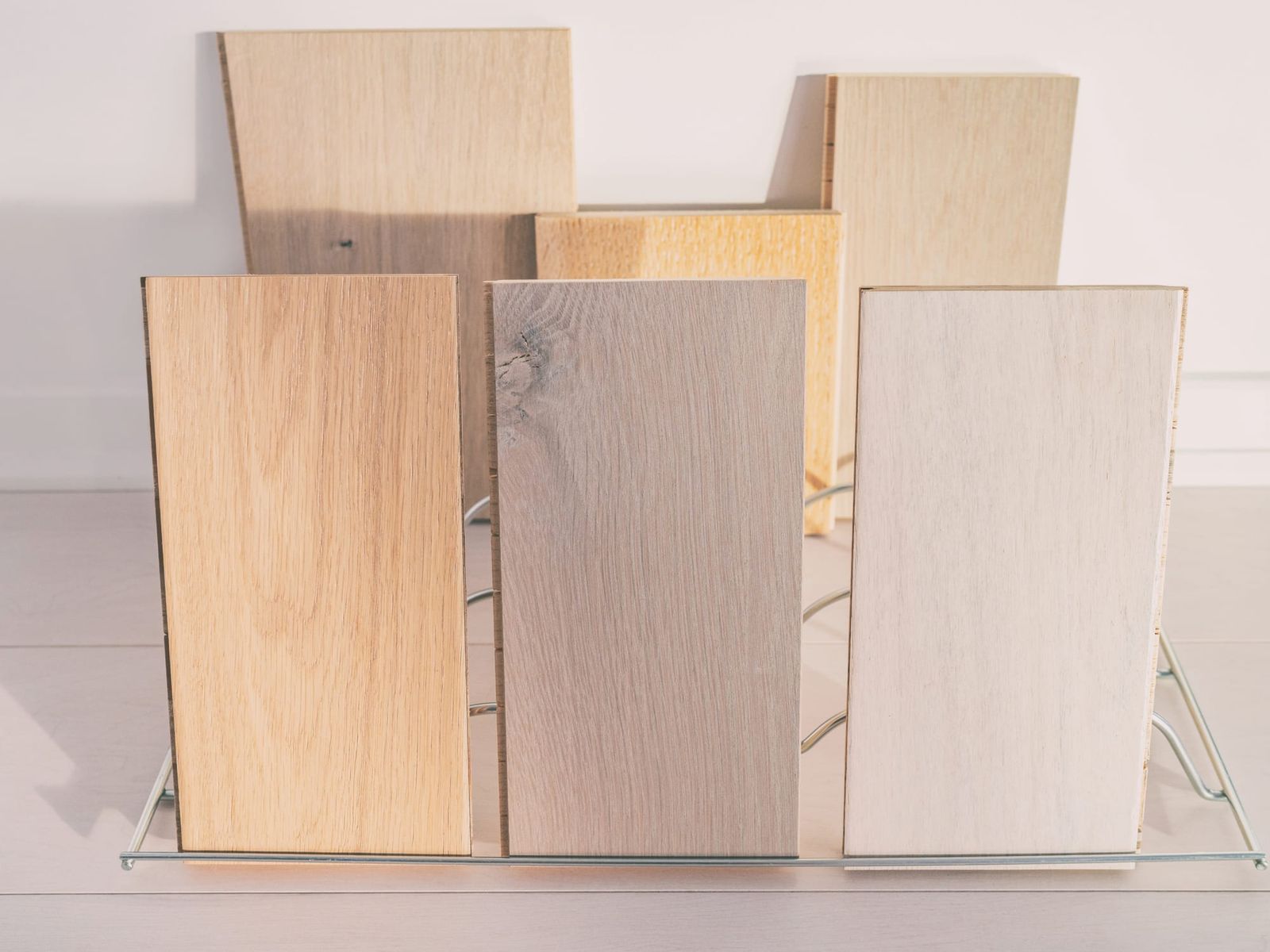
One of European oak’s biggest strengths is how well it takes colour. The same oak can look pale and Scandinavian, warm and natural, or dark and dramatic depending on the treatment.
White washed
Bleached or limed for a bright, airy coastal look.
Natural
Honey to light tan, the classic oak tone.
Brushed grey
Soft, cool tones for modern interiors.
Smoked
Fumed for a rich, deep brown colour through the timber.
Dark stained
Espresso and near-black for dramatic spaces.
| Finish | Look and feel | Upkeep |
|---|---|---|
| UV-cured lacquer (matt) | Smooth, low sheen, very tough factory coat | Easiest care, recoat when worn |
| UV oil | Natural matt look with a protective oiled surface | Occasional maintenance oil |
| Hard-wax oil | Soft, natural feel that highlights grain | Spot repairs possible, re-oil traffic areas |
| Brushed surface | Textured grain that hides scratches | Same as its coating |
We compare coatings in detail in our floor finishes explainer.
Engineered vs Solid European Oak
Most European oak sold in Australia is engineered, because it’s more stable in our climate and goes straight onto concrete slabs. Solid oak is available but less common, more expensive to install and more prone to movement.
| Board thickness | Typical veneer | Refinishing potential | Best for |
|---|---|---|---|
| 12 to 14mm | 2 to 3mm | Light recoat or one sand | Budget projects, apartments |
| 15 to 18mm | 3 to 4mm | One or more full sands | Most family homes |
| 19 to 21mm | 4 to 6mm | Several sands over decades | Premium homes, long-term owners |
Thicker veneers cost more but can be refinished more times, often making them better value over 20+ years.
Our engineered timber explainer explains how engineered boards are built.
Choosing Board Width and Length
- 180 to 190mm: classic and versatile, suits most rooms and smaller homes.
- 220 to 240mm: the modern favourite, gives open-plan spaces a relaxed, premium feel.
- 260mm and wider: a statement look for large spaces, usually in premium ranges.
- Longer boards: fewer end joints, so the floor looks calmer and more continuous.
Wider and longer boards look more luxurious but cost more and need a very flat subfloor. In smaller rooms, a mid-width board often looks more balanced.
How Much Does European Oak Flooring Cost in Australia?
Prices vary widely because the word “oak” covers everything from thin budget boards to thick, wide premium planks. Here’s how the market breaks down in 2026.
Entry: $110 to $140 per m² installed
- 2 to 3mm veneer
- 12 to 14mm boards
- Floating installation
- Narrower widths
Mid range: $140 to $190 per m² installed
- 3 to 4mm veneer
- 15 to 18mm boards
- Wider 190 to 220mm planks
- Most popular choice
Premium: $190 to $250+ per m² installed
- 4 to 6mm veneer
- Wide 240mm+ boards
- Glue-down installation
- Herringbone and chevron
Indicative 2026 Australian ranges. Supply-only engineered European oak typically sits around $70 to $160 per m², plus installation, underlay, and preparation. Herringbone and chevron add more for both materials and labour.
What adds to the cost
- Width and length: wider, longer boards cost more per square metre.
- Veneer thickness: thicker wear layers add cost but extend the floor’s life.
- Grade: select grades cost the most; rustic grades are often the best value.
- Installation method: glue-down costs more than floating, plus adhesive.
- Preparation: slab grinding, levelling and removing old floors.
- Acoustic underlay: often required in apartments.
Is European Oak Hard Enough for Family Life?
With a Janka rating near 5.5 kN, European oak is noticeably softer than Australian hardwoods such as Blackbutt or Spotted Gum. In practice, a good factory finish, a brushed texture and a natural or character grade go a long way towards hiding everyday marks. Felt pads, doormats and trimmed pet nails do the rest. If maximum dent resistance is your priority, compare it with our Blackbutt flooring guide.
European Oak Ranges at LKV Flooring
Original Oak Floors
French oak planks and herringbone
Terra Mater
WildOak planks and herringbone
Premium Floors
Nature’s Oak engineered range
Hurford’s
Genuine Oak collection
Preference Floors
Engineered oak collections
Plank Floors
Wide European oak planks
Browse the full oak flooring range, or see our herringbone flooring guide for patterned oak.
European Oak in Brisbane Homes
Engineered European oak handles Brisbane’s humidity well because its layered core limits movement. Glue-down installation on a properly prepared slab gives the most solid feel, while floating suits faster renovations. In strong afternoon sun, oak can warm in tone over time, so blinds or UV-reducing window film help keep colours even. Apartment owners should confirm acoustic requirements before choosing, as most body corporates require tested underlay systems. For raised Queenslanders with timber subfloors, engineered oak can be laid over a plywood base, giving the look of European oak in a heritage home. Many Brisbane homeowners also pair pale or brushed oak with white walls and timber joinery for a bright, coastal feel that suits our climate and natural light.
Caring for European Oak Flooring
European oak flooring is easy to maintain if you stay on top of grit and moisture. Vacuum or sweep often, damp mop with a timber-safe pH-neutral cleaner, and avoid steam mops, which can damage the finish and the board edges. Lacquered boards need cleaning and an occasional recoat, while oiled oak benefits from the manufacturer’s maintenance oil every year or two in busy areas. Felt pads, entry mats and window coverings will keep your floor looking newer for longer.
Our hardwood floor cleaning guide has the full step-by-step routine.
European oak buying checklist
- Check veneer thickness
- Confirm board width and length
- View full-size boards in the grade
- Ask how the finish is applied
- Check the core construction
- Confirm acoustic ratings for apartments
- Compare installed, not supply, prices
- Ask about warranty terms
European Oak Flooring FAQs
Is European oak good for flooring?
Yes. European oak is one of the most popular flooring timbers in Australia thanks to its even grain, wide board options and ability to take almost any colour or finish.
How much does European oak flooring cost in Australia?
Most engineered European oak costs around $110 to $250 per m² installed in 2026, with supply-only boards typically $70 to $160 per m².
Is French oak better than European oak?
Not necessarily. French oak is simply oak from France within the wider European species group, and it’s often sold as premium because French forests are carefully managed. Grade, veneer and finish matter more than origin.
What do oak grades like ABCD mean?
They describe how much natural character the boards show, from A (the fewest knots) to D (the most). Grading varies between brands, so view full-size boards.
Is European oak harder than Australian hardwood?
No. European oak rates about 5.5 kN on the Janka scale, softer than Blackbutt or Spotted Gum, though a good finish helps it resist everyday wear.
Can engineered European oak be sanded?
It depends on the oak layer. Expect one or more sanding passes for a 3mm layer, and several for 4 to 6mm.
Is European oak suitable for kitchens?
Yes, with care. Wipe spills quickly and choose a durable factory finish. For very wet-prone areas, hybrid may be more practical.
Does European oak change colour over time?
Natural oak gradually warms and deepens with sunlight. Window coverings help keep the colour even across the room.
Choosing European Oak With Confidence
European oak is popular for good reason. It’s versatile, stable as an engineered board and available in a wide range of grades, colours and widths to suit almost any home. The key is choosing the right veneer thickness, grade and finish for how you live, and comparing installed prices rather than supply-only figures. Get those three things right and European oak flooring will reward you with a beautiful, timeless floor for decades.
Here at LKV Flooring, our team supplies and installs European oak from trusted brands across Brisbane, and we’d love to help you find the right board. Visit our Newstead showroom to see full-size samples side by side, and our team will guide you through grades, colours and installation options for your home.