Choosing floors
Herringbone Flooring Cost & Guide: Patterns, Prices and Installation (2026)
 Roman Miller9 min read
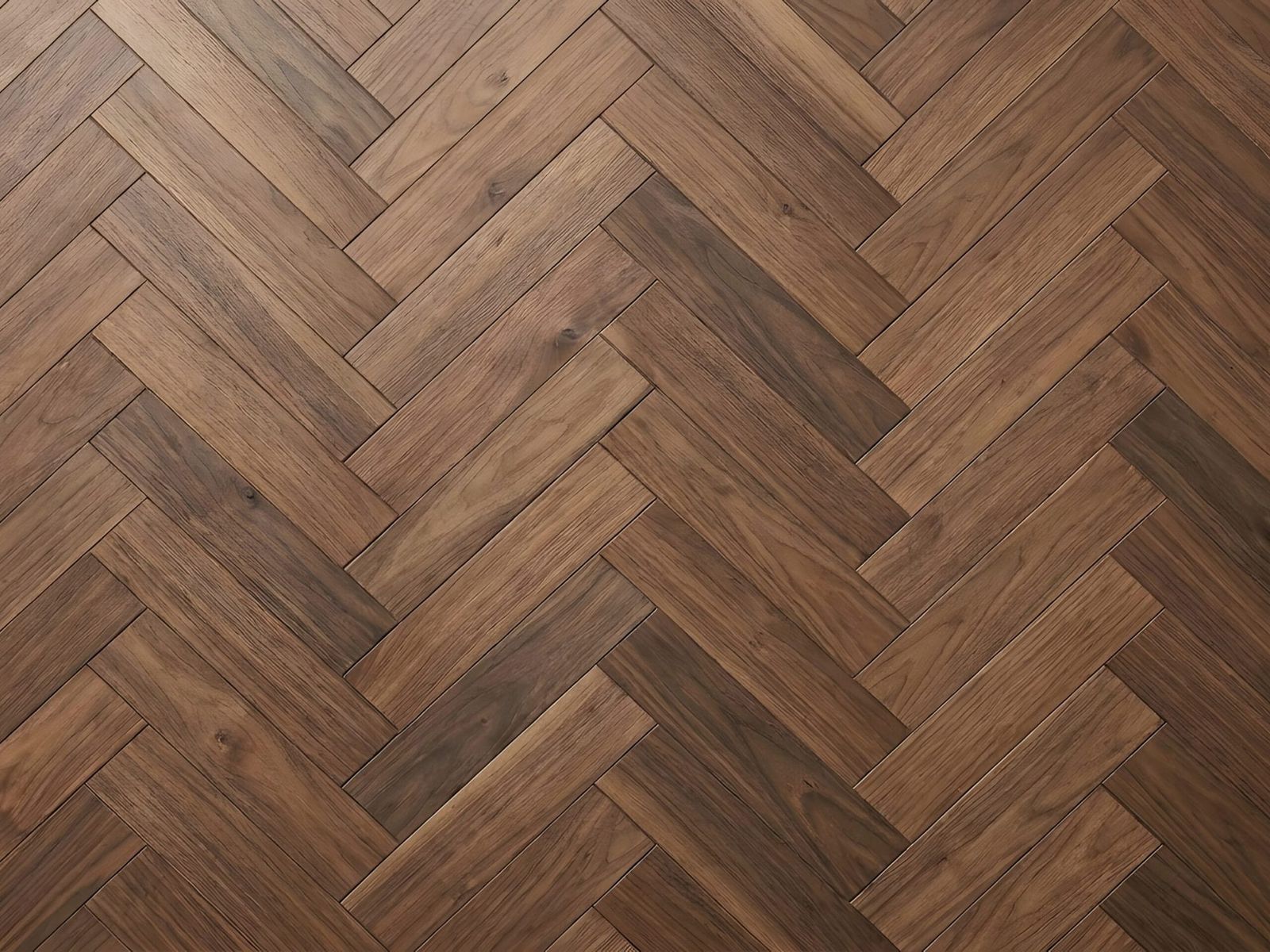
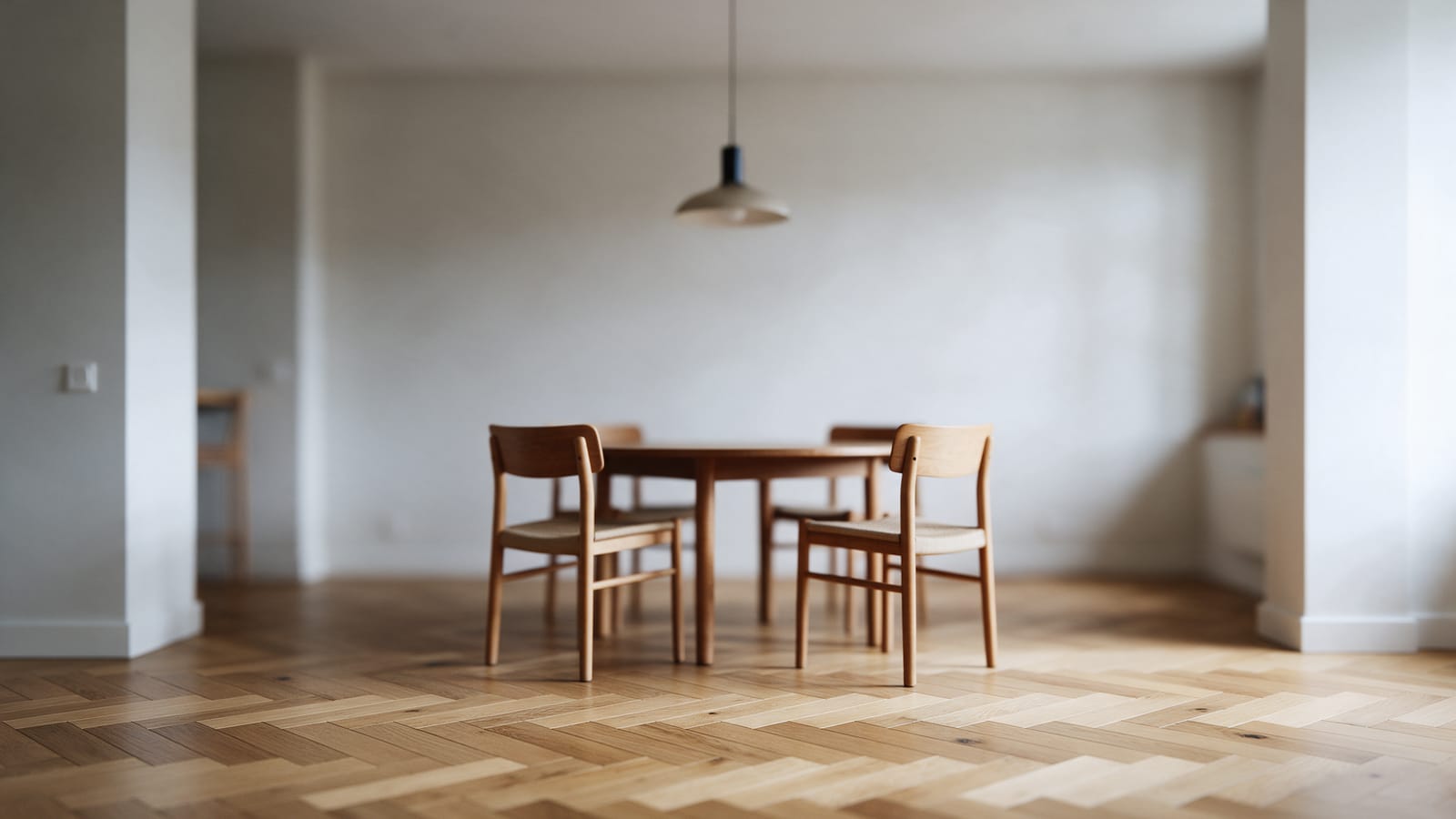
Few floors stop people in their tracks quite like herringbone. The zigzag of interlocking boards adds movement and a sense of craftsmanship that a straight-laid floor simply can’t match, which is why herringbone has become one of the most requested looks in Australian renovations.
This complete guide to herringbone flooring covers everything you need to know before you commit: what herringbone actually is, the patterns and layouts available, the materials it comes in, realistic 2026 costs in Brisbane, how it’s installed and how to choose the right option for your home. It’s written by the LKV Flooring team, who install herringbone floors across Brisbane from our Newstead showroom.
Quick answer
Herringbone flooring is a pattern where rectangular blocks are laid at right angles in a zigzag, with the end of each block meeting the side of the next. It comes in engineered timber, solid hardwood, hybrid and laminate. In Australia in 2026, expect to pay roughly $180 to $390 per m² supplied and installed, depending on the material and installation method, with engineered oak herringbone typically landing in the middle of that range.
- $180 to $390: Typical cost per m² supplied and installed in Brisbane
- 8 to 12%: Extra material usually allowed for offcuts
- 4 materials: Engineered, solid, hybrid and laminate
Cost ranges based on 2026 Australian and Brisbane pricing guides. Final pricing varies with the product chosen, floor area and slab condition.
What Is Herringbone Flooring?
Herringbone is a parquetry pattern made from rectangular blocks of equal size. Each block is laid at 90 degrees to its neighbour, so the end of one board butts against the long side of the next. The result is a staggered zigzag that resembles the bones of a fish, which is where the name comes from.
The pattern dates back centuries and was a favourite in grand European homes, but today it’s just as likely to appear in a Brisbane townhouse or a renovated Queenslander. Modern manufacturing has made herringbone flooring more affordable and more practical than ever, with engineered and click-together versions that suit concrete slabs and apartments.
Herringbone vs parquetry
Parquetry is the umbrella term for any floor made from blocks laid in a geometric pattern. Herringbone is one type of parquetry, alongside chevron, basket weave and Versailles panels. So every herringbone floor is parquetry, but not every parquetry floor is herringbone.
Herringbone vs Chevron: What’s the Difference?
These two patterns are often confused, and they’re one of the most common questions we’re asked in the showroom. The difference comes down to how the ends of the boards are cut.
| Herringbone | Chevron | |
|---|---|---|
| Board ends | Cut square at 90 degrees | Cut on an angle, usually 45 degrees |
| Where boards meet | End of one board meets the side of the next | Ends meet to form a continuous point |
| Look | Staggered, broken zigzag with a classic feel | Clean, continuous V shape with a more modern edge |
| Material and labour | Less waste than chevron | Angled cuts usually mean a higher price |
Neither is better. Herringbone tends to feel warmer and more traditional, while chevron reads as sharper and more architectural. If you love both, look at full-size samples side by side, because the difference is far clearer on the floor than in photos.
Herringbone Flooring Patterns and Layouts
Herringbone isn’t a single look. The way blocks are sized and arranged changes the character of the whole room.
Single herringbone
The classic layout, with one block in each row of the zigzag. Works in almost any room and suits both traditional and modern styles.
Double herringbone
Two blocks laid side by side in each row, creating a wider, bolder zigzag. Ideal for large open-plan spaces where a single pattern can look busy.
Triple herringbone
Three blocks per row for a strong, graphic effect. Best kept for generous rooms and statement entries.
45 or 90 degree layout
At 45 degrees the zigzag runs straight down the room. Turned 90 degrees, it sits diagonally to the walls for a more dynamic look.
Herringbone with a border
A frame of straight boards around the room’s edge gives a crisp, finished look and hides any slight wall irregularities.
Block size
Narrow blocks feel intricate and traditional, while longer, wider blocks look relaxed and contemporary. Common sizes run from about 90mm to 150mm wide.
Which way should herringbone run?
In most rooms, the point of the zigzag should run along the longest wall or towards the main light source, such as large windows or glass doors. This draws the eye through the space and makes it feel longer. In hallways, running the pattern down the length of the corridor creates a striking sense of direction. A good installer will set out a centre line before laying a single block, so the pattern looks balanced from the entrance.
Herringbone Flooring Materials Compared
Herringbone is a pattern, not a product, so you can choose the material that suits your budget, lifestyle and subfloor.
| Material | What it is | Best for | How it’s laid |
|---|---|---|---|
| Engineered timber | Genuine hardwood surface over a cross-ply base | Most homes, apartments and slab floors | Usually glued down |
| Solid hardwood | Solid timber blocks, sanded and coated on site | Lifetime floors and character homes | Glued down, then sanded and finished |
| Hybrid | Printed timber look on a rigid waterproof core | Busy family homes and wet-prone areas | Click-together, floating |
| Laminate | Printed timber look on a high-density fibreboard core | Budget-conscious renovations and rentals | Click-together, floating |
At LKV, our engineered herringbone ranges include French oak from Original Oak Floors, the Arlo Herringbone collection from Terra Mater and Nature’s Oak Herringbone from Premium Floors. For a fully custom look, solid Australian hardwood parquetry can be laid in Blackbutt, Spotted Gum and other native species. Architect-favoured herringbone is also available from Plank Floors.
How Much Does Herringbone Flooring Cost in Brisbane?
Herringbone costs more than a straight-laid floor for two reasons. The blocks themselves are often priced higher, and installation takes far more time and skill. Here are typical 2026 ranges based on current Australian pricing guides.
| Herringbone type | Supply only per m² | Supplied and installed per m² |
|---|---|---|
| Laminate herringbone | About $45 to $75 | Lower end of the range |
| Hybrid herringbone | About $70 to $110 | About $180 to $220 |
| Engineered oak herringbone | About $90 to $160 | About $250 to $320 |
| Solid hardwood herringbone | About $160 to $220 | About $400 to $500, including on-site sanding and coating |
Indicative ranges only. Subfloor preparation, removal of old flooring and skirting are usually extra.
Why installation costs more
A straight-laid engineered floor in Australia typically costs around $40 to $70 per m² to install, while herringbone runs closer to $90 to $170 per m². Every block has to be set out from a centre line, glued, aligned and checked, and the edges of the room need far more cutting. On top of that, most installers allow roughly 8 to 12 per cent extra material for offcuts, compared with about 5 to 7 per cent on a standard floor.
A worked example
For a 30m² living and dining area in engineered oak herringbone, a realistic all-in budget is around $7,500 to $9,600, based on $250 to $320 per m². The same area in hybrid herringbone would come in closer to $5,400 to $6,600. Room shape matters too: a simple rectangle costs less to lay than a space with lots of doorways, bay windows or kitchen islands.
Getting an accurate price
Online ranges are a starting point only. A site measure lets your installer check the subfloor, count every cut and give you a fixed, itemised quote with no surprises.
How Herringbone Flooring Is Installed
Engineered and solid herringbone are usually glued directly to the subfloor, while hybrid and laminate herringbone click together and float on an underlay. Here’s how a professional glue-down installation typically runs. You can learn more about our parquetry floor installation service.
- Site assessment. The installer checks subfloor flatness and moisture, and measures door heights and transitions.
- Subfloor preparation. Concrete is ground and levelled so every block sits flat, because herringbone exaggerates any dip or hump.
- Setting out. A centre line is marked so the pattern is symmetrical from the main viewpoint.
- Laying the blocks. Left and right blocks are glued in sequence, building the zigzag outwards from the centre line.
- Cutting the edges. Blocks are trimmed at the walls, with any border boards fitted last.
- Finishing. Pre-finished products are ready to walk on after the adhesive cures. Solid timber is sanded and coated on site, as with any hardwood floor installation.
Is herringbone a DIY job?
Click-together hybrid and laminate herringbone is more achievable for a confident DIYer, but glue-down herringbone is one of the most demanding floors to lay. A pattern that drifts even a few millimetres becomes obvious across a room, so professional installation is strongly recommended.
Pros and Cons of Herringbone Flooring
Pros
- A timeless look that rarely dates
- Adds character and perceived value
- Makes narrow rooms feel wider
- Available in timber, hybrid and laminate
- Engineered and solid versions can be refinished
Cons
- Higher installation cost than straight lay
- More material waste
- Needs a very flat subfloor
- Can look busy in very small rooms
- Harder to repair a single damaged block
Is Herringbone Flooring Right for Your Home?
Herringbone works beautifully in living rooms, entries, hallways and dining areas. It’s a natural fit for character homes and Queenslanders, and equally at home in modern apartments when paired with pale oak flooring and clean lines. In small rooms, choose larger blocks or a lighter colour so the pattern doesn’t overwhelm the space.
If you live in an apartment, check your body corporate rules before choosing, because glue-down herringbone usually needs an approved acoustic system. The ratings involved are covered in our apartment acoustic underlay article. Laying over existing tiles? Read can you lay flooring over tiles first, as glue-down herringbone over tiles isn’t recommended.
Frequently Asked Questions
How much does herringbone flooring cost per m² in Australia?
Most herringbone floors cost about $180 to $390 per m² supplied and installed in 2026. Hybrid and laminate sit at the lower end, engineered oak in the middle, and solid hardwood at the top.
Is herringbone more expensive than straight‑laid flooring?
Yes. The blocks often cost more, installation takes longer and there is more waste. Installation alone is typically about twice the cost of a straight-laid floor.
What is the difference between herringbone and chevron?
Herringbone blocks have square-cut ends that meet the side of the next block, creating a staggered zigzag. Chevron boards are cut on an angle so their ends meet in a continuous point.
Can you get herringbone in hybrid or laminate?
Yes. Hybrid and laminate herringbone use click-together left and right planks, giving the look of herringbone at a lower price with a floating installation.
Does herringbone flooring make a room look bigger?
It can. Running the zigzag along the longest wall or towards the main light source draws the eye through the room, and wider blocks in lighter tones help small spaces feel more open.
How much extra flooring do you need for herringbone?
Most installers allow around 8 to 12 per cent extra for offcuts, compared with about 5 to 7 per cent for a straight-laid floor. Rooms with many corners may need more.
Is herringbone flooring going out of style?
Herringbone has been used for centuries and remains one of the most popular patterns in Australian homes. Its classic geometry is the reason it tends to outlast short-lived trends, and today’s wider blocks, pale oak tones and matt finishes keep it feeling current rather than old-fashioned. Pairing it with simple joinery and neutral walls is an easy way to keep the look timeless.
Can herringbone flooring be installed on a concrete slab?
Yes. Engineered herringbone is commonly glued directly to a prepared concrete slab, which is one reason it suits Brisbane homes and apartments.
Planning a Herringbone Floor?
See engineered, solid and hybrid herringbone side by side in our Newstead showroom, and get a fixed, itemised quote after a free site measure. Call (07) 3890 5173 to book.