Choosing floors
Timber Floor Finishes Explained: Oil vs Polyurethane vs Water-Based
 Roman Miller9 min read
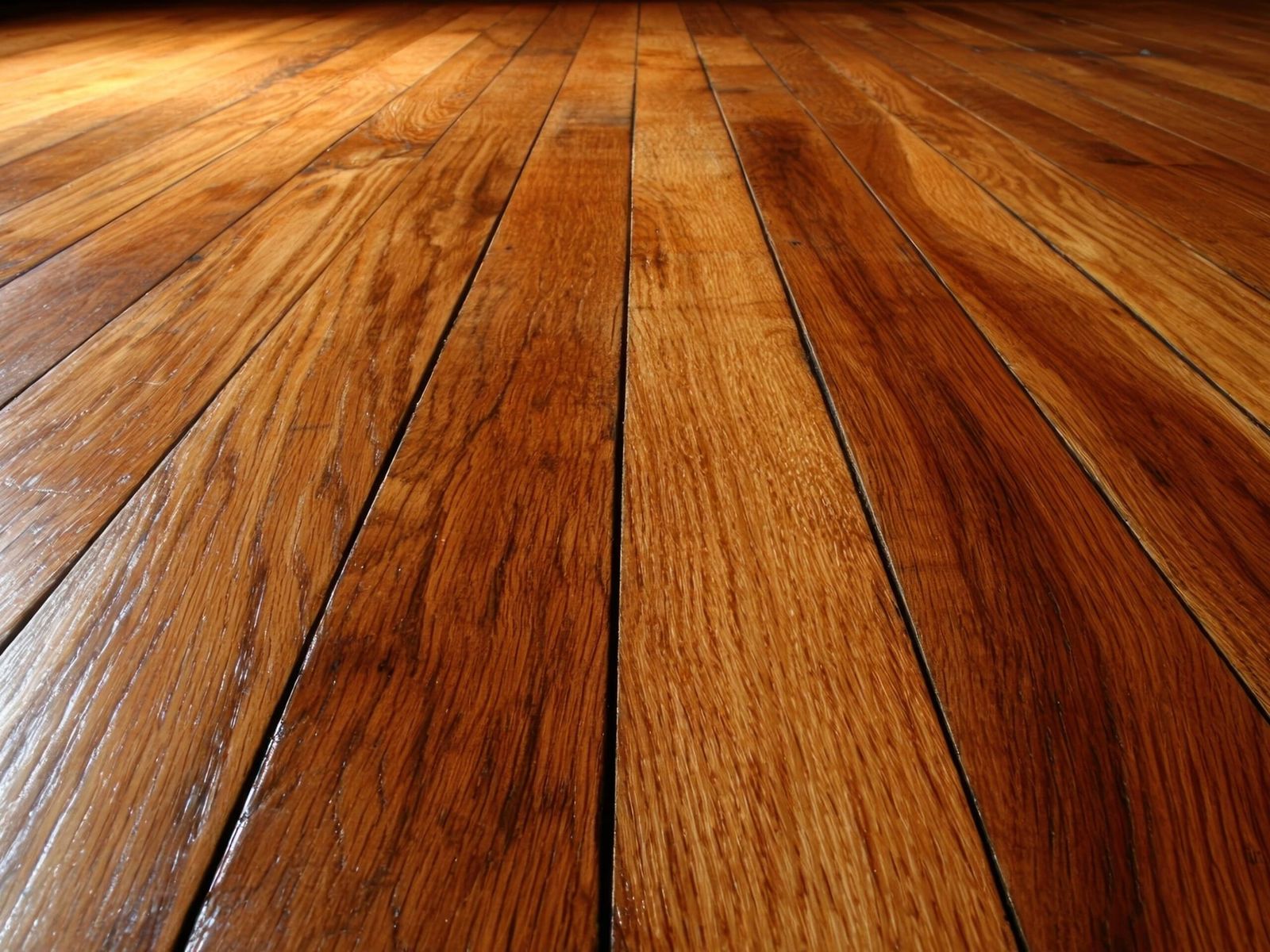
Choosing a timber species gets most of the attention, but the coating on top decides how your floor looks on day one and how it copes with shoes, sand, chair legs and mopping for the next decade. Get it right and the floor stays beautiful with little effort. Get it wrong and you’ll be living with yellowing, scratches or constant upkeep.
This guide explains timber floor finishes in plain English: the difference between oil, solvent-based polyurethane and water-based polyurethane, how each looks and performs, what each costs in Australia, how Brisbane’s climate affects them, and how to pick the right one for your home. Our Newstead team specifies finishes on new and refinished floors across Brisbane every week, and this guide shares what we’ve learned.
Quick answer
There are three main timber floor finishes in Australia. Water-based polyurethane dries clear, has low odour and keeps pale timbers looking natural, making it the most popular choice today. Solvent-based polyurethane builds a very hard film and adds a warm amber tone, but has strong fumes and yellows over time. Natural and hard-wax oils soak into the grain for a soft, matt look and are easy to spot-repair, but need re-oiling every few years. For most busy Brisbane homes, a quality water-based polyurethane in matt or satin is the best all-rounder.
The Three Families of Timber Floor Finishes
Water‑based polyurethane
Also called water-based poly or aqua coating
A clear, low-odour film that dries fast and holds the natural colour of the timber.
Solvent‑based polyurethane
Also called oil-based or oil-modified poly, often two-pack
A thick, hard-wearing film that warms the timber to an amber tone over time.
Oil and hard‑wax oil
Also called penetrating oil or natural oil finish
Penetrates the grain instead of coating it, leaving a soft, natural matt look.
Film‑Forming vs Penetrating Finishes
The biggest difference between timber floor finishes is where they sit. Both types of polyurethane form a protective film on the surface. Oil works the other way, soaking into the grain and hardening inside the timber.
Polyurethane: a surface film
Two or three coats build a hard, sealed layer over the timber. It resists water and wear well, but deep scratches cut through the film and can show as pale marks. Repairs usually mean a recoat of the whole room.
Oil: absorbed into the grain
Oil strengthens the timber from within and leaves the surface feeling like wood. It’s less resistant to scratches and spills, but worn or damaged patches can be re-oiled and blended without sanding the whole floor.
Oil vs Polyurethane vs Water‑Based: Side by Side
Here’s how the main timber floor finishes compare on the factors that matter most to homeowners.
| Factor | Water-based poly | Solvent-based poly | Hard-wax oil |
|---|---|---|---|
| Look | Clear, natural colour | Warm amber, ambers further | Soft, matt, natural |
| Hardness and wear | 4/5 | 5/5 | 3/5 |
| Water resistance | 4/5 | 5/5 | 3/5 |
| Colour stability | 5/5 | 2/5 | 4/5 |
| Low odour | 5/5 | 1/5 | 4/5 |
| Ease of spot repair | 2/5 | 2/5 | 5/5 |
| Drying speed | Hours between coats | Slowest, fumes for days | Moderate |
| Recoat or re-oil | About 7 to 12 years | About 8 to 12 years | About 2 to 5 years in traffic areas |
Ratings are general guides. Performance depends heavily on product quality, number of coats and application.
Durability advice online often conflicts. Some guides call solvent-based polyurethane the toughest finish, while others say modern water-based formulas now match or beat it. The honest answer is that a premium water-based system, especially a two-pack, performs very close to solvent-based for most homes, while staying clear and low in odour.
Each Finish in Detail
Water‑based polyurethane
Best for: pale timbers, modern homes, families
Sheen: usually matt or satin
Strengths
- Dries clear and stays clear, so Blackbutt, Tasmanian oak and light oak keep their natural colour
- Low odour, so households can often stay in other rooms
- Fast drying, with floors walkable within about 24 hours
- Excellent UV stability for sunny rooms
Trade-offs
- Usually costs a little more than solvent-based
- Full cure takes about 7 to 14 days, so take care with rugs and furniture
- Some homeowners feel it adds less depth to the grain
Solvent‑based polyurethane
Best for: darker timbers, heritage looks, budget projects
Sheen: often satin or gloss
Strengths
- Builds a thick, very hard-wearing film
- Warm amber tone suits Jarrah, Spotted Gum and traditional interiors
- Usually the most economical finish per square metre
Trade-offs
- Strong fumes for several days, so most families move out
- Yellows noticeably over time, especially on pale timbers
- Slowest to dry and cure
- You can’t apply a solvent-based coat over an existing water-based finish without sanding back
Natural and hard‑wax oil
Best for: design-led homes, rustic looks, hands-on owners
Sheen: natural matt
Strengths
- Soft, natural, close-to-timber feel underfoot
- Highlights grain and character beautifully
- The only finish you can genuinely spot-repair and blend
- Breathable, which can suit humid climates
Trade-offs
- Less resistant to scratches and water than polyurethane
- Needs re-oiling in busy areas every 2 to 5 years
- Requires specific cleaning products to keep it healthy
What About Pre‑Finished Floors?
If you’re buying a new engineered floor, the finish is usually applied in the factory. Most pre-finished boards use UV-cured lacquer, which is cured under ultraviolet light in multiple layers and is typically harder than anything applied on site. Some premium boards use a factory oil or hard-wax oil instead. Either way, there’s no on-site coating, so the floor is ready to use as soon as it’s installed. Our engineered timber explainer covers factory coatings and veneers in more detail.
How Timber Floor Finishes Are Applied
For a sand and polish on solid timber, the process usually runs over several days. Here’s a typical timeline with water-based polyurethane:
- Day 1: Furniture removed, floor sanded through several grits, gaps and nail holes filled.
- Day 2: Sealer coat applied, then a light cut back between coats.
- Day 3: Second and third coats applied. Floor walkable in socks after about 24 hours.
- Days 4 to 14: Finish continues to cure. Return furniture with felt pads and hold off on rugs.
Solvent-based systems take longer, with more time between coats and several days of strong fumes. Oil finishes are applied in fewer, thinner coats and buffed into the timber, then left to harden.
How Much Do Timber Floor Finishes Cost?
| Option | Typical cost per m² (2026) |
|---|---|
| Sand and polish, solvent-based polyurethane | About $30 to $45 |
| Sand and polish, water-based polyurethane | About $35 to $55 |
| Sand and polish, two-pack water-based system | About $55 to $70 |
| Sand and hard-wax oil | About $32 to $110, depending on the product |
| Buff and recoat on a sound existing finish | About $15 to $25 |
Indicative Australian ranges. Stairs, colour changes, repairs and furniture moving cost extra.
Water-based polyurethane usually costs around 10 to 20 per cent more to apply than solvent-based. On a 100m² floor, that’s often only a few hundred dollars, which many owner-occupiers consider worth it for the clearer colour and faster return home.
Choosing a Finish for Brisbane’s Climate
Strong sun
Solvent-based finishes amber faster in rooms with big windows. Water-based coatings hold their colour better.
Humidity
Breathable oil finishes can cope well with humid summers, while polyurethane offers stronger spill protection.
Warm weather
Fast-drying water-based coatings suit Brisbane’s warm conditions and shorten time out of the home.
Sand and grit
Beach sand and outdoor living wear finishes quickly, so choose a tough coating and use doormats.
Understanding Sheen Levels
Every polyurethane comes in a choice of sheen, which describes how much light the surface reflects. Sheen changes the look of timber floor finishes as much as the product type does.
- Gloss: high shine and dramatic reflections, but it shows every footprint, smudge and fine scratch.
- Semi-gloss: a traditional, polished look with slightly less glare than full gloss.
- Satin: a gentle sheen that balances warmth with practicality, popular in many Australian homes.
- Matt: a low-reflection, natural look that hides dust and wear best, now the most requested sheen for modern homes.
As a general rule, the lower the sheen, the more forgiving the floor will be in day-to-day family life. If you love a little shine, satin is a good middle ground that still hides most everyday marks.
Which Timber Floor Finish Should You Choose?
| If you want | Choose |
|---|---|
| Pale timber or Scandinavian look | Water-based polyurethane |
| Busy family with kids and pets | Two-pack water-based, matt |
| Warm, traditional or heritage feel | Solvent-based polyurethane |
| Natural, design-led interior | Hard-wax oil |
| Tight budget for a refinish | Solvent-based polyurethane |
| Easy spot repairs | Hard-wax oil |
Matt or gloss? Lower sheens hide dust, footprints and fine scratches far better than gloss, which is why matt and satin dominate modern Australian homes. Considering sanding an older floor? Read our timber floor repair guide first, and see how we approach hardwood floor installation.
Common Mistakes When Choosing a Finish
- Choosing gloss for a busy family home, then noticing every scratch and footprint.
- Putting solvent-based polyurethane on pale Blackbutt or oak, then disliking the yellow tone a few years later.
- Picking hard-wax oil for its looks without planning for regular re-oiling.
- Putting rugs down too soon after a water-based coat, before the finish has fully cured.
- Assuming every floor sanding contractor uses the same quality products. Ask which brand and system they use, and how many coats.
Caring for Each Finish
- Polyurethane (both types): sweep or vacuum regularly, clean with a lightly damp mop and a neutral timber cleaner, and recoat before the film wears through to bare timber.
- Hard-wax oil: use the oil manufacturer’s soap or cleaner, avoid harsh detergents, and re-oil traffic lanes when they start to look dry.
- All finishes: avoid steam mops, wipe spills quickly, and use felt pads under furniture.
For step-by-step routines, see how to clean timber floors.
Timber Floor Finishes FAQs
What is the best finish for timber floors?
For most homes, a quality water-based polyurethane in matt or satin is the best all-rounder. It’s durable, low odour, dries clear and suits modern Australian interiors.
Is water‑based or oil‑based polyurethane better for floors?
Water-based stays clear, smells less and dries faster, while solvent (oil) based builds a slightly harder film and adds a warm amber tone. Premium water-based systems now perform very close to solvent-based.
Does polyurethane turn yellow on timber floors?
Solvent-based polyurethane ambers and yellows over time, especially on pale timbers and in sunny rooms. Water-based polyurethane stays much clearer.
Is hard‑wax oil better than polyurethane?
It depends on priorities. Hard-wax oil looks more natural and can be spot-repaired, but needs more upkeep. Polyurethane is tougher and lower maintenance day to day.
How long does a timber floor finish last?
Polyurethane typically needs a recoat every 7 to 12 years depending on traffic, while hard-wax oil usually needs re-oiling in busy areas every 2 to 5 years.
How long before you can walk on a newly finished floor?
With water-based polyurethane, you can usually walk on it in socks after about 24 hours, but full cure takes 7 to 14 days. Solvent-based finishes take longer.
How much does it cost to sand and polish timber floors?
In Australia, a sand and polish usually costs about $30 to $55 per m² with polyurethane, more for two-pack or hard-wax oil systems.
Can you change from polyurethane to oil?
Yes, but the floor needs a full sand back to bare timber first, because oil can’t penetrate through an existing polyurethane film.
Not Sure Which Finish Suits Your Floor?
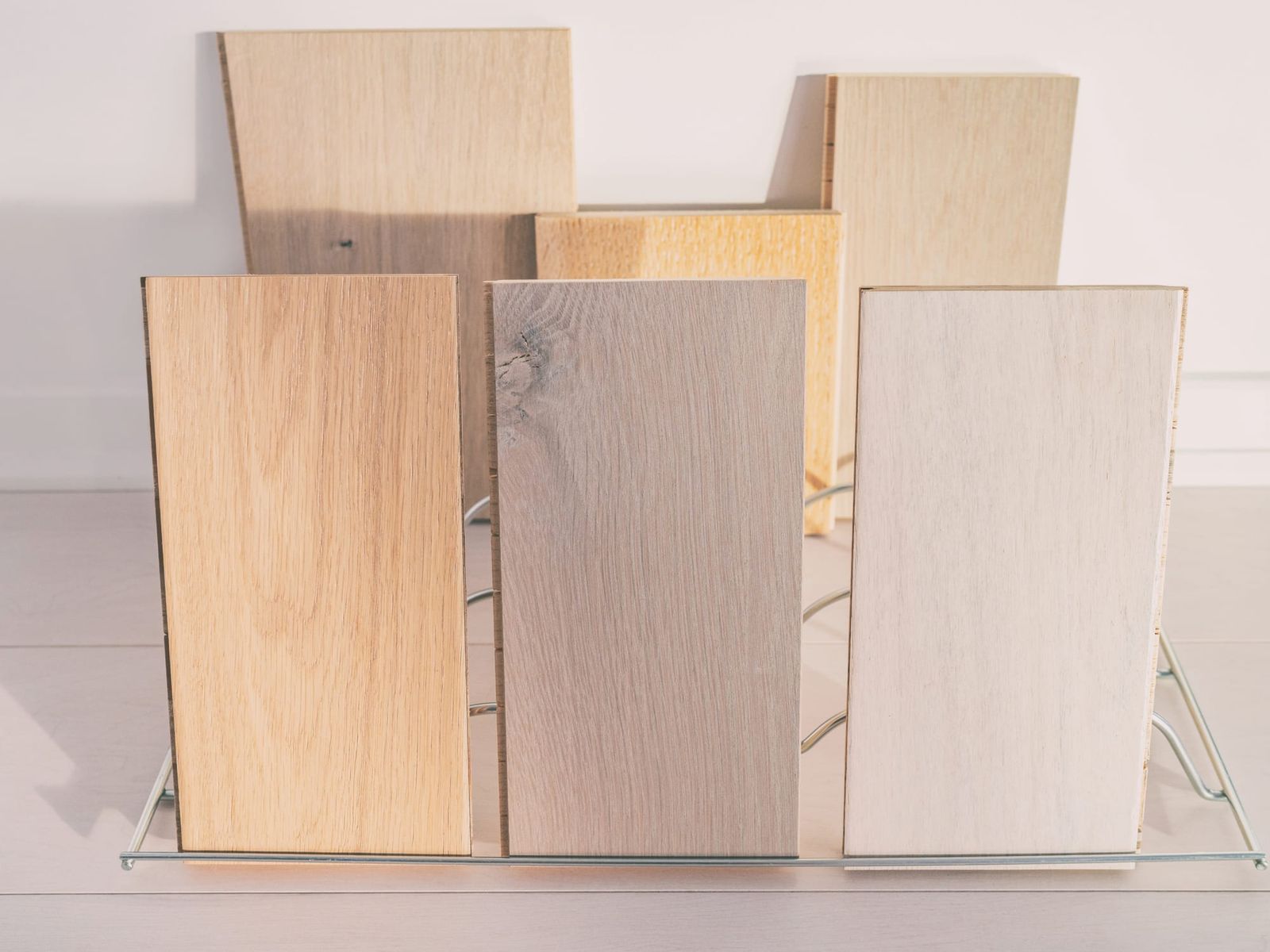
Visit our Newstead showroom to compare matt, satin, brushed and oiled boards together, and get honest advice on what will suit your timber, your lifestyle and Brisbane’s climate.