Care & repairs
How to Clean Timber Floors: The Complete Care Guide
 Roman Miller10 min read
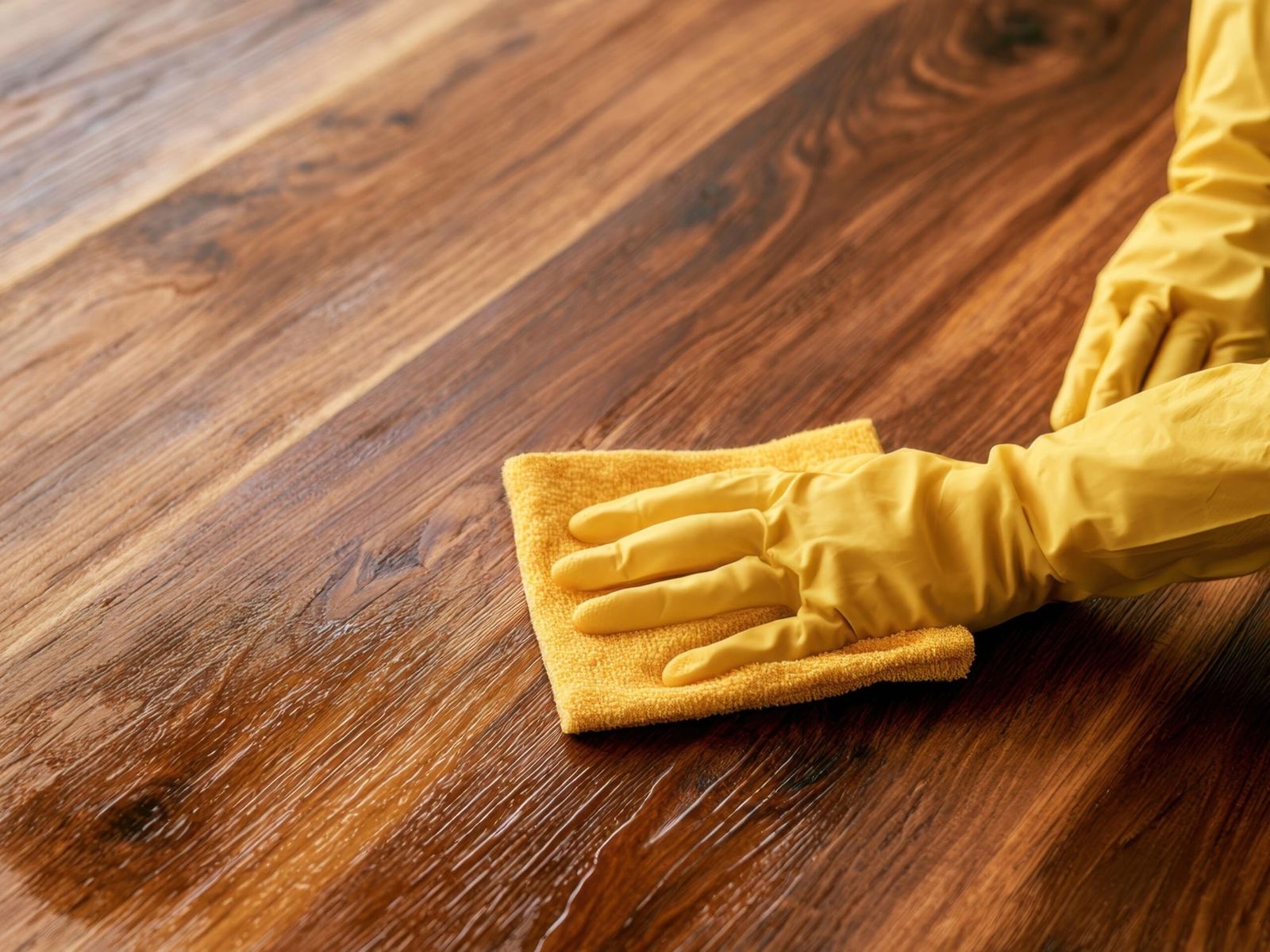
A timber floor can look beautiful for decades, or start looking tired within a few years. The difference usually isn’t the timber itself. It comes down to knowing how to clean timber floors properly and caring for them from week to week.
The good news is that caring for timber floors is simple once you know the rules. In this complete guide, the LKV Flooring team in Newstead, Brisbane, explains how to clean timber floors safely, which products to use and avoid, how to handle stains and scratches, how Brisbane’s climate affects your floor, and when it’s time to recoat. It covers solid timber, engineered timber and parquetry, with notes on oiled and polyurethane finishes.
Quick answer
Here’s how to clean timber floors the right way: remove grit first with a soft broom, microfibre dust mop or a vacuum with a hard-floor head. Then mop with a barely damp microfibre mop and a pH-neutral cleaner made for timber floors, working along the grain. Never wet mop or steam mop, and avoid vinegar, bleach, ammonia and multi-purpose sprays. Oiled floors need an oil-specific cleaner instead.
Know Your Floor Finish First
The first step in learning how to clean timber floors is knowing what’s protecting your timber. The finish, not the timber species, decides which products are safe. Most Australian timber floors have one of three finishes.
Most common
Polyurethane or lacquer
A clear protective film that sits on top of the timber. It looks glossy, satin or matt and feels smooth. Clean with a pH-neutral timber floor cleaner.
Natural look
Oil or hard‑wax oil
Soaks into the timber for a soft, natural feel. Needs an oil-specific cleaner, as standard cleaners can dry out the finish.
Engineered boards
Factory finish
Applied during manufacture, usually lacquer or UV oil. Always follow the brand’s care guide to protect your warranty.
Not sure which finish you have?
Check your installation paperwork or the flooring brand’s care guide. If the floor was installed by LKV Flooring, give us a call and we can tell you exactly which finish and cleaner suit your floor.
How Often to Clean Timber Floors: Your Routine
Grit is the biggest enemy of a timber floor. Tiny particles of sand and dirt act like sandpaper under shoes and furniture, slowly wearing through the finish. A simple routine keeps it under control.
| How often | Task | How to do it |
|---|---|---|
| Daily or every few days | Remove dust and grit | Soft broom, microfibre dust mop or vacuum with a hard-floor head |
| Weekly | Damp mop | Barely damp microfibre mop with a pH-neutral timber cleaner |
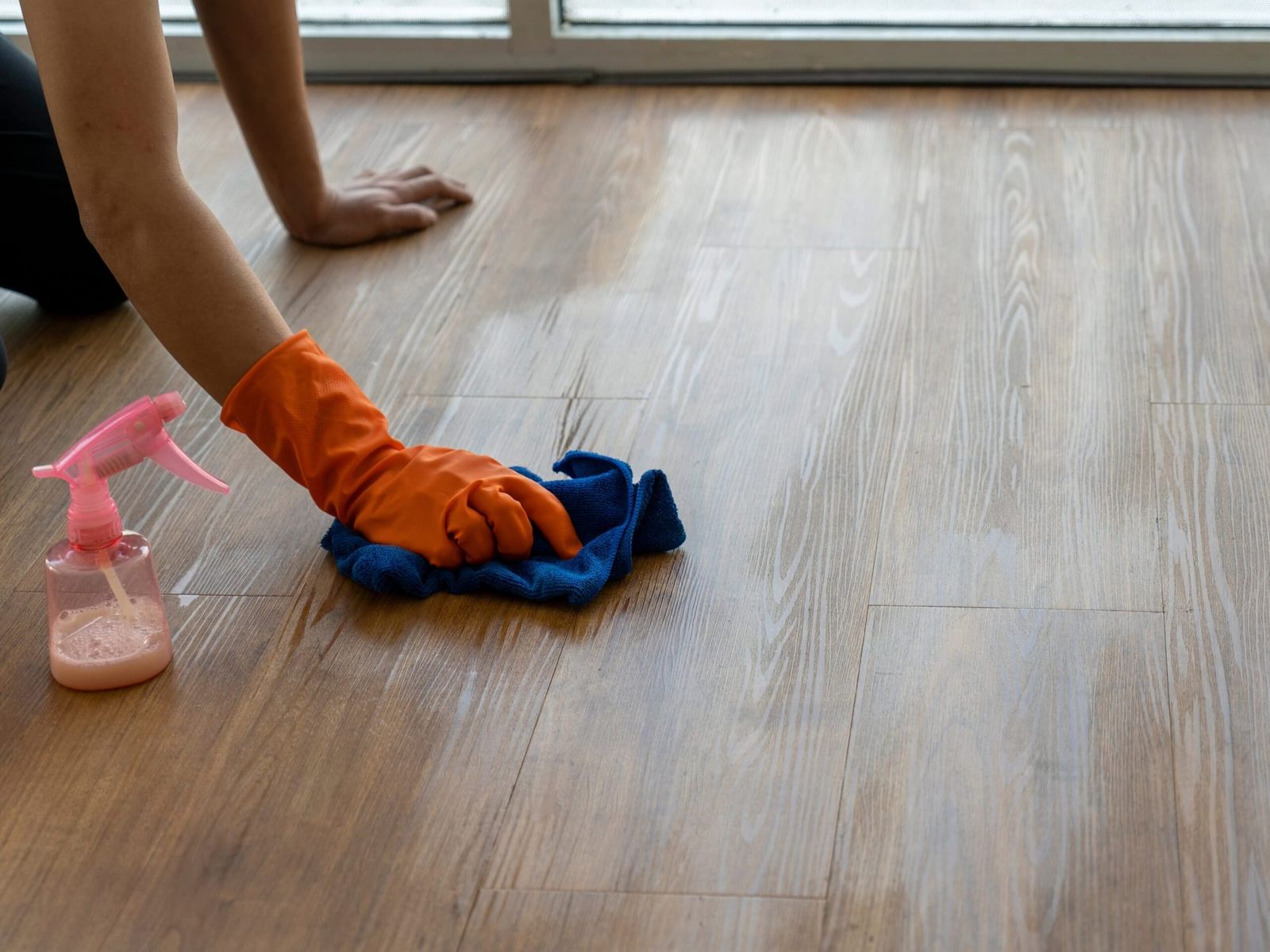
| As it happens | Spills and spot cleaning | Blot immediately, then wipe with a damp cloth and dry |
| Every few months | Deep clean | Thorough vacuum, then clean section by section with the right cleaner |
| Every few years | Maintenance coat | Professional recoat or re-oil when the finish shows wear |
Busy homes with kids or pets may need to damp mop more often. Quiet homes may only need it fortnightly.
How to Clean Timber Floors, Step by Step
- Clear the room. Move rugs, chairs and small furniture so you can reach the whole floor.
- Remove all grit first. Sweep, dust mop or vacuum with the beater bar turned off. Mopping over grit drags it across the finish.
- Prepare your cleaner. Use a pH-neutral timber floor cleaner diluted as the label directs, or a spray mop with the cleaner already mixed.
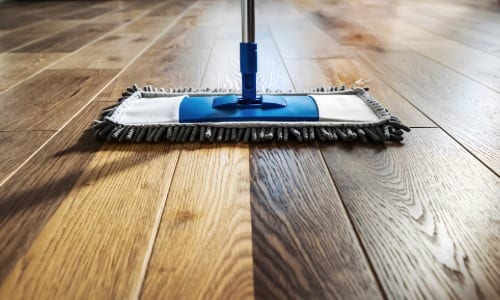
- Wring the mop well. The mop head should be barely damp. A good test is that the floor dries within about 15 seconds.
- Mop along the grain. Work in sections, following the direction of the boards, so you don’t leave streaks.
- Rinse and replace the pad. Change or rinse the microfibre pad when it’s dirty so you’re not spreading grime around.
- Dry any damp patches. Wipe up anything left behind with a dry microfibre cloth before walking on the floor.
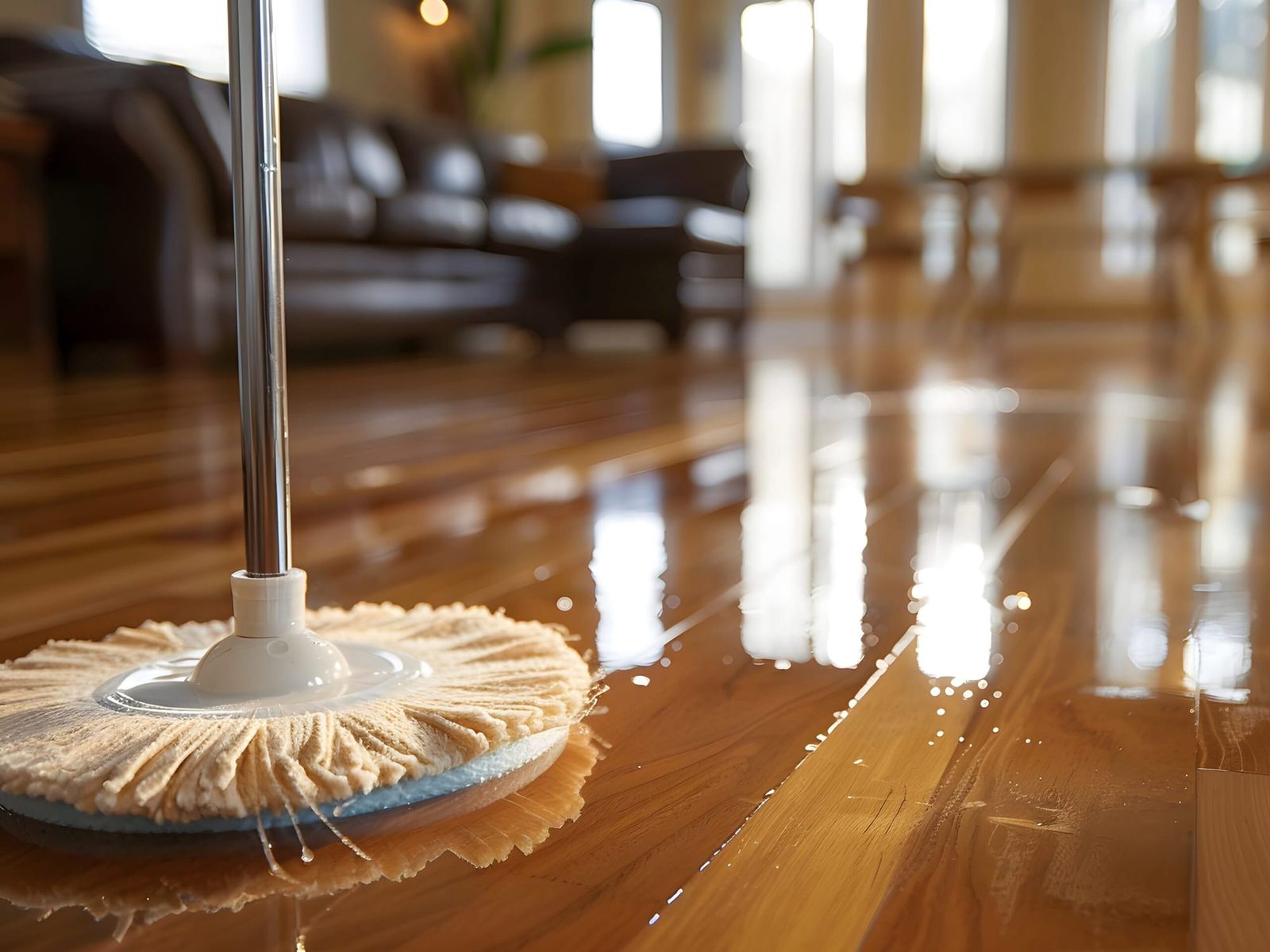
The golden ruleDamp, never wet. Water is the most common cause of timber floor damage we see. Puddles seep into joins and board edges, causing swelling, cupping, staining and finish failure. If you can see water sitting on the floor, you’re using too much.
What to Use and Avoid When You Clean Timber Floors
Choosing the wrong product is the most common mistake people make when working out how to clean timber floors. Many common household cleaners are too harsh. They can dull, cloud or strip the finish, and some leave a residue that attracts more dirt.
Safe for timber floors
- pH-neutral timber floor cleaner
- Oil-specific cleaner for oiled floors
- Flat microfibre mop and pads
- Soft-bristle broom
- Vacuum with a hard-floor head
Avoid on timber floors
- Steam mops
- Vinegar, bleach and ammonia
- Sugar soap and multi-purpose sprays
- Silicone or wax polishes on coated floors
- Abrasive pads and beater bars
Why steam mops damage timber floors
Steam mops seem like the perfect cleaning tool, but they combine the two things timber dislikes most: heat and moisture. Steam is forced into the joins and edges of the boards, where it can cause swelling, lifting and finish breakdown over time. On engineered timber, it can even weaken the bond between layers. Most flooring manufacturers specifically exclude steam mop damage from their warranties.
Is vinegar safe for timber floors?
Vinegar is a popular home remedy, but it’s acidic. Used regularly, it can dull and etch a polyurethane finish and strip oil from oiled floors. A pH-neutral cleaner made for timber does the same job without the risk.
How to Clean Oiled Timber Floors
Oiled and hard-wax oil floors need slightly different care. Because the finish soaks into the timber rather than sitting on top, standard pH-neutral cleaners can gradually dry it out and leave dull patches.
- Use the cleaner made for your oil. Most oil brands sell a matching soap or cleaner that cleans while topping up the finish.
- Keep moisture even lower. Oiled floors are more open to water than coated floors, so wring the mop thoroughly.
- Re-oil high-traffic areas. Entries, kitchens and hallways may need a maintenance oil sooner than the rest of the floor.
Cleaning Engineered Timber and Parquetry
Engineered timber has a real timber top layer, so it’s cleaned the same way as solid timber: grit removal, then a barely damp mop with the right cleaner. The key difference is the wear layer, which is thinner than solid timber, so preventing scratches matters even more. Always check the manufacturer’s care guide, as using the wrong products can affect your warranty.
Parquetry has many more joins than a standard board floor, which means more places for water to get in. Keep mopping especially light, and wipe spills up straight away.
How to Remove Common Stains
Act quickly. The longer a spill sits, the more likely it is to work into joins or mark the finish. Always test on a hidden area first.
| Stain | What to do |
|---|---|
| Water spills | Blot immediately with a dry cloth. Don’t let water sit on joins. |
| Food and drink | Blot, then wipe with a damp cloth and pH-neutral cleaner. Dry the area. |
| Grease and oily footprints | Wipe with a soft cloth and pH-neutral timber cleaner, which cuts light grease without solvents. |
| Pet accidents | Clean up straight away. Urine left to sit can stain timber and may need professional repair. |
| Scuff marks | Rub gently with a dry microfibre cloth or tennis ball. Avoid abrasive pads. |
| White water rings or dark stains | These usually mean moisture has passed the finish. Speak to a flooring professional. |
Protecting Timber Floors From Scratches and Wear
The best cleaning routine in the world can’t undo damage that could have been prevented. These habits make the biggest difference to how your floor ages.
At the door
Place quality mats inside and outside every entry to trap grit, and ask family and guests to take shoes off where possible. Stilettos and sports cleats can dent even hard timbers.
Under furniture
Fit felt pads to chair and table legs and replace them when worn. Lift furniture rather than dragging it, and use protectors under office chair castors.
With pets
Keep claws trimmed, wipe paws after walks, and put water bowls on a waterproof mat. Clean up accidents as soon as you find them.
From the sun
Strong Queensland sun can fade or darken timber. Use blinds or UV film on north and west-facing windows, and move rugs occasionally so the floor ages evenly.
Caring for Timber Floors in Brisbane’s Climate
Timber responds to the moisture in the air around it. Brisbane’s humid summers cause boards to take on moisture and swell slightly, while the drier months of winter and spring draw it back out, which can open small gaps between boards.
Keep conditions steady
Ventilate your home well in humid weather, use a dehumidifier during long wet spells, and avoid closing the house up with air-conditioning running hard for days at a time. Steady indoor conditions mean less movement and a longer-lasting finish. Small seasonal gaps are normal, and our guide to gaps between floorboards explains when they’re worth worrying about.
When to Recoat or Refinish Your Timber Floor
Even with perfect care, the protective finish wears over time, especially in high-traffic areas. Recoating at the right time protects the timber underneath and is far cheaper than a full sand and polish later.
Try the water test
Put a few drops of water on the most worn part of your floor, such as a hallway or in front of the kitchen bench. If the water beads on the surface, the finish is still protecting the timber. If it soaks in and darkens the wood, it’s time to book a recoat.
| Floor condition | Likely solution |
|---|---|
| Dull, fine surface scratches, finish intact | Deep clean, then a maintenance recoat or re-oil |
| Worn traffic paths, water no longer beads | Light sand (screen) and recoat |
| Deep scratches, stains into the timber, grey or bare patches | Full sand and polish |
| Damaged, lifting or water-swollen boards | Board repair or replacement, then refinish |
Caring for a Newly Installed or Refinished Floor
A fresh coating needs time to fully cure, even when it feels dry. In the first couple of weeks, stick to dry cleaning only, keep rugs off the floor, and move furniture back gently with felt pads already fitted. Your installer or the coating manufacturer will tell you when it’s safe to start damp mopping, typically after around two weeks.
Common Timber Floor Cleaning Mistakes
- Mopping before removing grit, which grinds dirt into the finish.
- Using too much water or a dripping mop.
- Using too much cleaner, which leaves a cloudy, sticky film.
- Using a steam mop or household multi-purpose sprays.
- Applying silicone or wax polish to a coated floor, which can stop a recoat bonding later.
- Waiting too long to recoat, until the timber itself is damaged.
Frequently Asked Questions
How do you clean timber floors?
Remove grit with a soft broom, dust mop or vacuum, then mop with a barely damp microfibre mop and a pH-neutral timber floor cleaner, working along the grain.
Can you mop timber floors?
Yes, but only with a well-wrung, barely damp mop. Wet mopping leaves water sitting on the floor, which can seep into joins and damage the boards.
Can I use a steam mop on timber floors?
No. Steam forces heat and moisture into the joins, which can cause swelling, lifting and finish damage. Most manufacturers exclude steam mop damage from warranties.
What is the best cleaner for timber floors in Australia?
A pH-neutral cleaner made specifically for timber floors is best for polyurethane and lacquered finishes. Oiled floors need the cleaner recommended by the oil manufacturer.
How often should I mop timber floors?
Weekly suits most homes, with high-traffic areas or homes with pets needing more. Quieter homes may only need a damp mop every fortnight.
Can I clean timber floors with vinegar?
It’s not recommended. Vinegar is acidic and can dull or etch the finish over time. A pH-neutral timber cleaner is a safer choice.
Why does my timber floor look cloudy after mopping?
Usually too much cleaner, too much water, or the wrong product for your finish. Use less cleaner, wring the mop well and switch to a pH-neutral timber cleaner.
How do I know when my floor needs recoating?
Drop a little water on a high-traffic area. If it beads, the finish is fine. If it soaks in and darkens the timber, the floor is ready for a recoat.
Need Help With Your Timber Floor?
Whether you need advice on how to clean timber floors, a recoat, or a brand-new timber floor, the LKV Flooring team can help. Visit our showroom at 77 Doggett Street, Newstead, or call (07) 3890 5173.