Installation
Floating Floor vs Glue Down: Which Timber Installation Is Best?
 Roman Miller9 min read
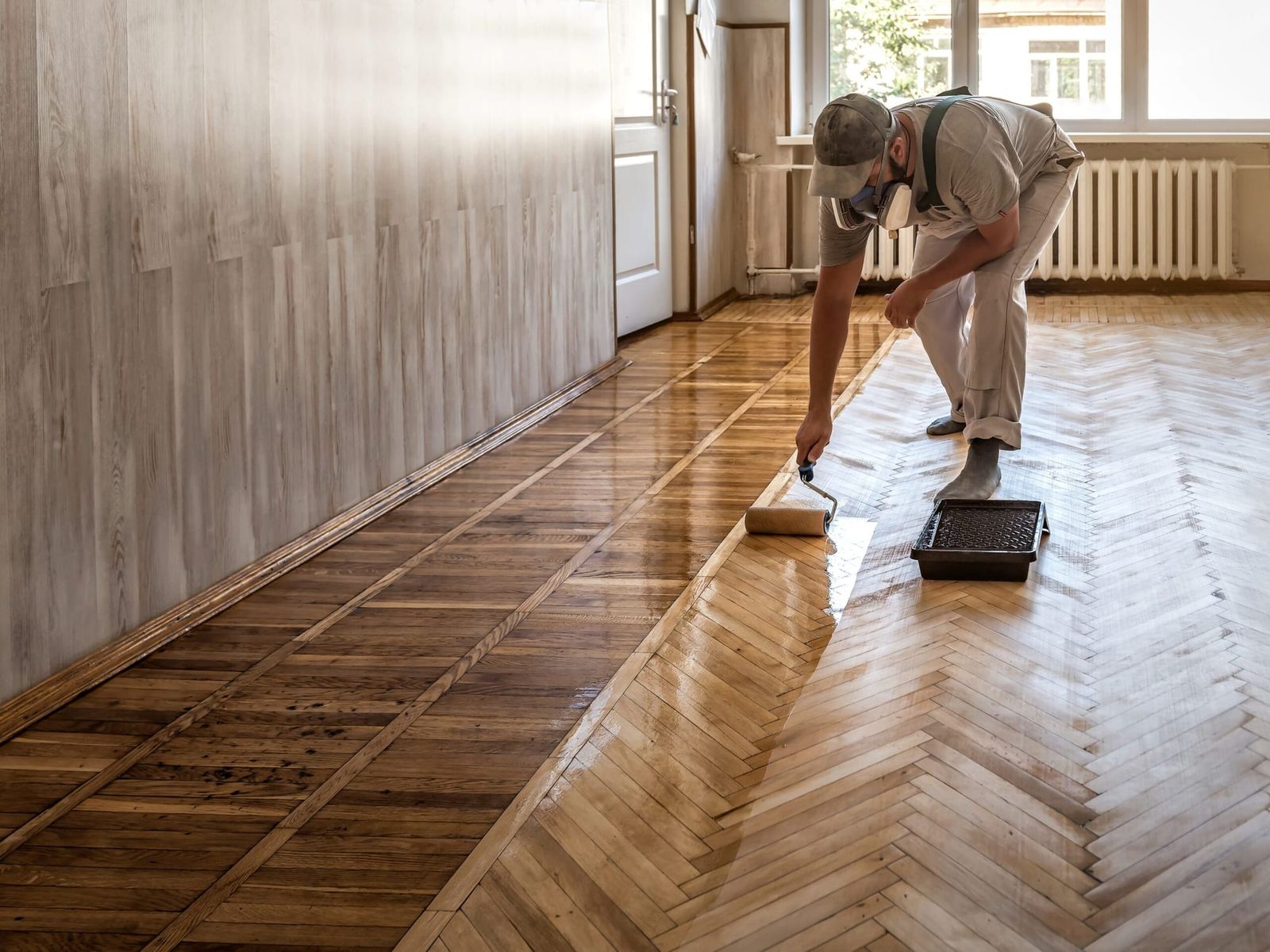
Once you’ve chosen your timber, there’s one more decision that shapes how your floor feels, sounds and lasts: how it’s installed. Two floors can look identical on day one, yet behave very differently over the next 20 years depending on whether they were glued down or left to float.
This guide compares floating floor vs glue down installation in plain English to help you decide between them, and covers nail-down too, since it’s the traditional third option. You’ll learn how each method works, the honest pros and cons, what each costs, which suits a concrete slab or an apartment, and how to choose for your home. Our Newstead installers, who lay both methods across Brisbane every week, shared what they see on real jobs.
- Glue down: Boards are bonded straight to the subfloor with flexible flooring adhesive. Solid, quiet and permanent.
- Floating: Boards click edge to edge over an underlay and aren’t fixed to the subfloor. Faster, cheaper and easier to lift.
Quick answer
Glue down gives a firmer, quieter floor that feels like solid timber and suits long-term homes, apartments and patterned floors such as herringbone. Floating is faster, usually costs less to install and is easier to repair, which suits renovations, rentals and tighter budgets. On a concrete slab, both work well when the slab is flat and dry. The best choice depends on your budget, building rules and how long you plan to stay.
Three Ways to Install a Timber Floor
Glue down (direct stick)
Adhesive is spread across the subfloor and each board is pressed into it. The floor becomes one solid unit with the slab or plywood beneath.
Floating
Boards click or join together edge to edge and sit on an underlay. The floor moves as one piece, held in place by its own weight and the skirting.
Nail down (secret nailed)
Tongue-and-groove boards are nailed through the tongue into timber joists or plywood. It’s the classic approach for solid boards in older raised homes.
Glue Down Flooring: Pros and Cons
A glue-down installation bonds every board permanently to the subfloor. Because nothing can flex or shift, the floor feels firm and sounds solid, much like a traditional hardwood floor.
Advantages
- Firm, solid feel with no hollow sound underfoot
- Minimal movement, so fewer gaps and less creaking
- Thicker engineered veneers can be sanded and refinished later
- Essential for herringbone, chevron and most parquetry
- Often the preferred method for apartment acoustic systems
Disadvantages
- Higher installation cost due to adhesive and labour
- Slab must be very flat, dry and well prepared
- Repairs are harder because boards are bonded down
- Removing it later means grinding off old adhesive
- Takes longer to install than a floating floor
Floating Floors: Pros and Cons
A floating floor isn’t fixed to anything. Instead, the boards join to each other over an underlay that cushions them and adds some sound reduction. Many engineered timber, hybrid and laminate floors are designed to float.
Advantages
- Faster and usually cheaper to install
- Can often go over existing sound tiles
- Damaged boards are easier to lift and replace
- Click systems suit careful DIY renovators
- Underlay adds comfort and some sound reduction
Disadvantages
- Can sound hollow or “drummy” underfoot
- Moves more with temperature and humidity
- Needs expansion gaps and trims at walls and doorways
- Heavy fixed items, like kitchen islands, can pin the floor
- Sanding is limited and often not recommended
In the floating floor vs glue down debate, these disadvantages of floating floors mostly come down to installation quality. A good underlay, a well-prepared subfloor and correct expansion gaps make a floating floor feel far more solid and quiet.
How they compare underfoot
From best to worst on each:
- Solid feel: glue down, then nailed, then floating
- Quietness: glue down, then nailed, then floating
- Speed of installation: floating, then glue down, then nailed
- Ease of repair: floating, then nailed, then glue down
Are Floating Timber Floors a Good Choice?
Floating timber floors have come a long way. Early versions earned a reputation for sounding hollow and feeling springy, largely because of thin boards and cheap foam underlays. Today’s engineered boards with quality click joints and dense acoustic underlays feel far more solid, and many homeowners can’t tell the difference once furniture and rugs are in place.
Floating timber flooring is a strong choice when you want real timber on a budget, need the job done quickly, or are laying over existing tiles that are flat and well bonded. It’s less suited to very large open areas without breaks, rooms with heavy fixed joinery on top of the floor, or anyone who wants a floor they can fully sand back in 15 years. In those cases, gluing is usually the better long-term option.
Floating Floor vs Glue Down: Side‑by‑Side Comparison
| Factor | Glue down | Floating | Nail down |
|---|---|---|---|
| Feel underfoot | Firm and solid | Softer, can sound hollow | Firm, traditional |
| Installation speed | Slower | Fastest | Slower |
| Installation cost | Higher | Lower | Higher |
| Subfloor | Concrete or plywood | Concrete, plywood or sound tiles | Timber joists or plywood |
| Repairs | Harder | Easier | Moderate |
| Sanding later | Yes, on thicker veneers or solid timber | Limited | Yes |
| Patterns (herringbone) | Yes | Only click-pattern products | Possible on solid blocks |
| Typical lifespan | 25+ years | 15 to 25+ years with good care | Decades |
One common myth is that floating floors only last 10 to 15 years. In reality, a quality floating engineered floor on a well-prepared subfloor can last just as long as a glued one. The difference is usually how it feels and how easily it can be refinished, not how long it survives.
How Each Method Is Installed
Knowing the steps helps you understand why the costs and timeframes differ.
- Preparation (all methods): remove old flooring, test moisture, and grind or level the subfloor until it’s flat.
- Glue down: spread flexible adhesive with a notched trowel, press each board into place, weight down any lifting ends, and let the adhesive cure before heavy furniture goes back.
- Floating: roll out the underlay, click the boards together row by row with staggered joins, and leave an expansion gap at every wall, hidden by skirting or trims.
- Nail down: lay a moisture barrier if needed, then secret nail each tongue-and-groove board to the joists or plywood, sanding and coating solid boards on site.
- Finishing (all methods): fit skirting, scotia and transition trims, then clean and inspect the floor.
What Does Each Method Cost?
Glue-down installation typically costs around $20 to $40 more per m² than floating, because it needs flooring adhesive, more preparation time and slower installation. On a 60m² area, that’s roughly $1,200 to $2,400 extra. Slab grinding or levelling, which glue down needs more often, can add to that.
That said, when weighing floating floor vs glue down, the cheapest option upfront isn’t always the best value. If you plan to stay in your home for many years, a glue-down floor’s solid feel and refinishing potential can make the extra cost worthwhile. For a quick update before selling or renting, floating often makes more sense.
Glue Down vs Floating Floor on Concrete
Most Brisbane homes and apartments sit on concrete slabs, and both methods work well on concrete when the slab is prepared properly. Preparation is where many installation problems start, so it pays to get this step right whichever method you choose. A slab that looks flat to the eye can still have dips and humps that show up later as hollow spots, creaks or lifting boards. Here’s how we approach it:
1. Test the moisture. New or damp slabs need a moisture test, and often a moisture barrier, before any timber goes down.
2. Check flatness. Glue down needs a very flat slab, while floating can tolerate slightly more variation, though not much. High spots are ground and dips levelled.
3. Consider the building. Apartments usually need an approved acoustic system, which may favour gluing over an acoustic mat or floating on a tested acoustic underlay.
4. Choose the method. For premium feel and patterns, glue down. For speed, cost or laying over sound tiles, floating.
Planning to lay over existing tiles? Read our guide can you lay flooring over tiles. In apartments, our acoustic underlay guide explains body corporate requirements.
Floating Floor vs Nail Down
Nail down, or secret nailing, is the traditional way to lay solid hardwood over timber joists or a plywood subfloor, and it’s still common in Queenslanders and raised homes. It gives a firm, authentic feel and allows the floor to be sanded many times. Floating, by contrast, suits slabs and existing hard floors, and can’t be nailed to joists. If your home has a timber subfloor and you want solid boards, nail down is usually the better choice. On a slab, the real decision is between glue down and floating.
Glue Down or Floating for Engineered Timber?
Engineered timber is one of the few floors that can be installed either way, which is why people often ask whether it’s better to glue or float an engineered wood floor. As a guide, glue down suits thicker, premium boards and anyone who wants the most solid feel or a future sand and recoat. Floating suits click-system boards, faster renovations and homes where cost matters most.
Locking systems matter too. Click joints are designed mainly for floating and make alignment easier, while tongue-and-groove boards are usually glued down for a tight, seamless finish. Our engineered timber flooring explainer covers veneers and cores in more depth, or see our timber floor installation process.
Which Method Suits Your Situation?
Long‑term family home: glue down
A firmer, quieter floor that can be refinished in years to come.
Quick renovation or sale: floating
Faster, lower-cost installation with less disruption.
Herringbone or chevron: glue down
Pattern floors need to be bonded down to stay tight and stable.
Rental property: floating
Affordable, easier to repair between tenants.
Apartment: depends on rules
Follow your building’s acoustic requirements and approved systems.
Queenslander with joists: nail down
Solid timber secret nailed to the existing structure.
Not sure which suits your floor? The right method depends on your subfloor, the product and any building rules. Our team can check your slab and recommend the best option, whether you’re choosing engineered timber or hybrid flooring.
Floating Floor vs Glue Down: FAQs
Is it better to glue or float an engineered wood floor?
Glue down gives a firmer, quieter feel and allows future sanding on thicker veneers, so it suits long-term homes. Floating is faster and cheaper, so it suits renovations and tighter budgets.
What are the disadvantages of floating floors?
Floating floors can sound hollow, move more with temperature and humidity, need expansion gaps and trims, and are usually limited when it comes to sanding.
Is glue down flooring more expensive than floating?
Yes. Glue-down installation typically costs around $20 to $40 more per m² because of adhesive, preparation and extra labour.
Can you glue down flooring on concrete?
Yes. Glue down works very well on concrete slabs, as long as the slab is flat, dry and properly prepared, sometimes with a moisture barrier.
Is a floating floor or nail down better?
Nail down suits solid timber over joists or plywood, as in many Queenslanders. Floating suits concrete slabs and existing hard floors, so the right choice depends on your subfloor.
Do floating floors creak?
They can if the subfloor isn’t flat or the underlay is poor. A properly prepared base, quality underlay and correct expansion gaps keep a floating floor quiet.
Can a floating floor be sanded?
Sometimes, if the timber layer is thick enough, but it’s often not recommended because the floor can move under the sander. Glued and nailed floors are better suited to sanding.
Which is better for apartments, glue down or floating?
It depends on your building’s acoustic rules. Both can comply when installed with an approved, tested acoustic system, so check your body corporate requirements first.
Get Expert Advice on Your Floor
Visit our Newstead showroom to compare products, or book a site measure. We’ll check your subfloor and recommend glue down, floating or nail down for the best result.