Choosing floors
Spotted Gum Flooring: Colours, Hardness, Costs and Is It Right for Your Home?
 Roman Miller9 min read
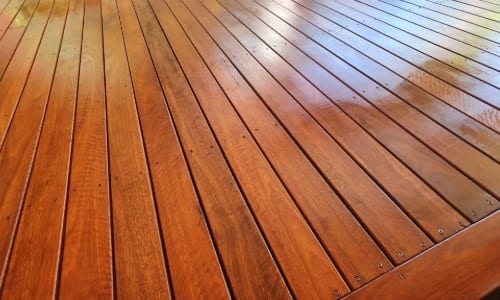
Few timbers say “Australian home” quite like Spotted Gum. Its colours swing from pale coffee to deep chocolate, its grain ripples across every board, and it’s tough enough to handle family life for decades.
This guide covers everything you need to know about spotted gum flooring: where it comes from, how hard it really is, how grades and finishes change its look, what it costs in Brisbane, how it compares with Blackbutt and oak, and whether it suits your home. Our Newstead team put it together because Spotted Gum is one of the most requested timbers in our showroom.
Spotted gum flooring at a glance
- Species: Corymbia citriodora and C. maculata
- Grows in: Australia’s east coast, including South East Queensland
- Janka hardness: About 11 kN, very hard
- Colour: Pale coffee to deep chocolate
- Formats: Solid, engineered, parquetry and spotted gum-look hybrid
- Typical installed cost: About $150 to $330 per m² for real timber
What Is Spotted Gum Flooring?
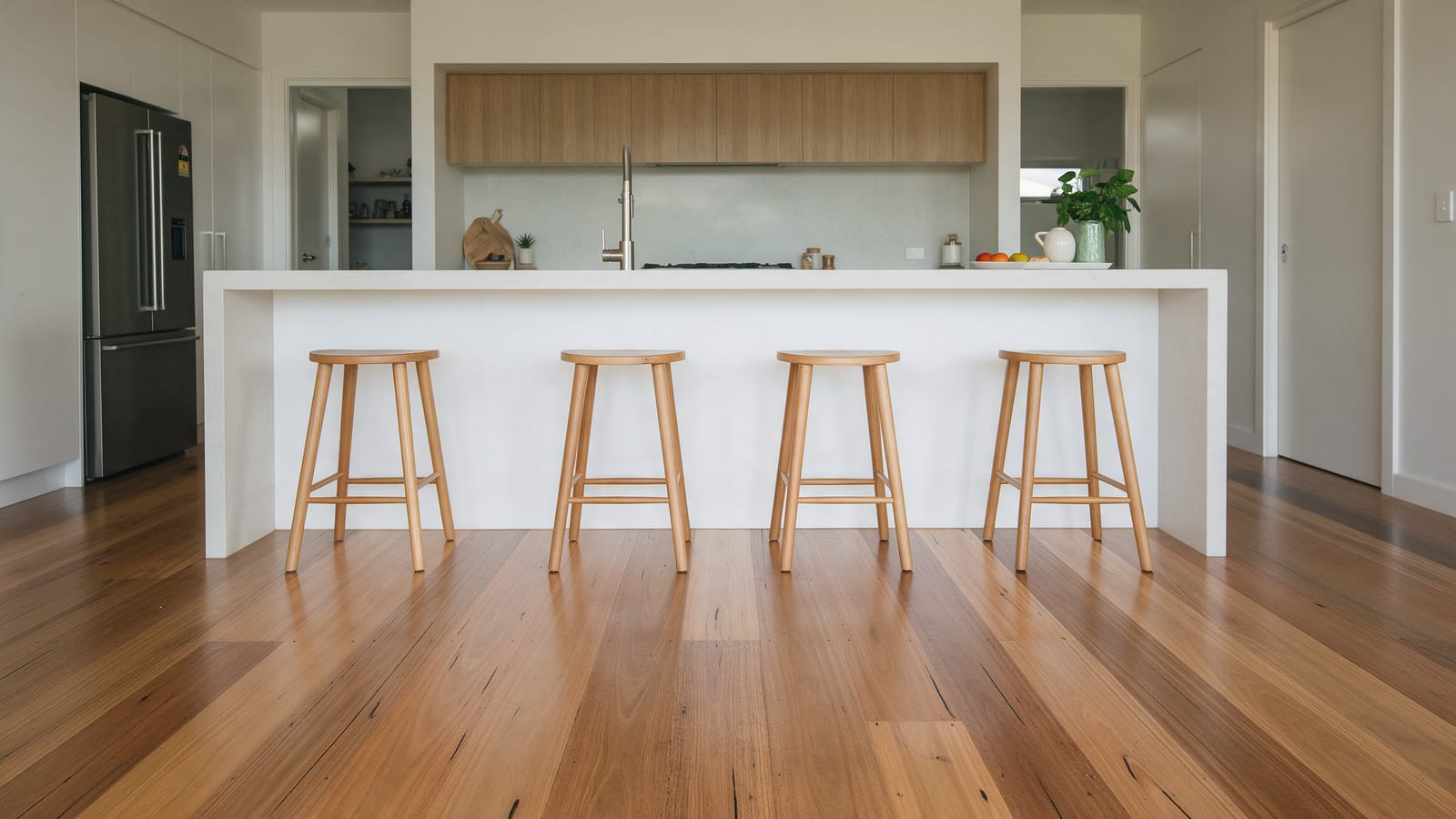
Spotted gum flooring is made from a group of eucalypt-related hardwoods named for their smooth, mottled bark, which sheds in patches to leave a spotted pattern on the trunk. Inside, the timber is dense, strong and full of natural movement, with a distinctive wavy or “fiddleback” grain that catches the light.
Queensland’s own hardwood
Spotted Gum grows naturally along Australia’s east coast, including South East Queensland. That means a local, naturally adapted timber that copes well with our humid summers and drier winters, and supply chains that are often shorter than imported species.
Many Australian Spotted Gum floors come from sustainably managed forests and regrowth, so it’s also a popular choice for buyers who care about where their timber comes from.
How Hard Is Spotted Gum Flooring?
Spotted Gum rates about 11 kN on the Janka hardness scale, which measures how well timber resists dents. That puts it among the hardest mainstream flooring species in Australia. By comparison, Blackbutt sits around 9.1 kN and European oak around 5.5 kN, so Spotted Gum is roughly twice as dent-resistant as oak.
In practice, that hardness matters most in busy homes. Dropped toys, dragged chairs, pet claws and stiletto heels all leave fewer marks on Spotted Gum than on softer timbers. It isn’t indestructible, but it forgives a lot.
Spotted Gum Colours and Grades
No two spotted gum flooring installations look the same, and that individuality is a big part of the appeal. It’s worth choosing your grade carefully, because the colour varies naturally from board to board, and photos rarely capture the full range. The grade you choose controls how much of that variation, and how many natural features, you see.
Select grade
Calm and refined
Even colour and very few knots or gum veins. Suits minimalist and contemporary interiors, and usually costs the most.
Standard grade
Balanced character
A natural mix of tones with some small features, and the grade most Brisbane families pick.
Feature or rustic grade
Bold and rustic
Strong colour swings, gum veins and knots. Ideal for relaxed, coastal and farmhouse styles.
How finishes change the colour
- Water-based coating: Keeps the timber closest to its natural, lighter tone with minimal yellowing.
- Polyurethane: Adds warmth and a slight golden depth, deepening the browns.
- Natural or hard-wax oil: Gives a soft, matt, natural look that enriches the grain.
- Sunlight over time: Spotted Gum tends to deepen and mellow with UV exposure rather than bleach out.
Spotted Gum Flooring Formats: Real Timber or Timber Look?
You can buy spotted gum flooring in several formats, and only some of them are real timber. This is where many buyers get confused, because printed products often carry the same name.
| Format | What it is | Real timber? | Best for |
|---|---|---|---|
| Solid | Boards milled from one length of Spotted Gum, usually 14mm to 19mm thick | Yes | Raised homes and lifetime floors |
| Engineered | A 3mm to 6mm Spotted Gum veneer over a stable layered core | Yes | Slabs, apartments and wide boards |
| Parquetry | Spotted Gum blocks laid in herringbone or other patterns | Yes | Feature rooms and entries |
| Spotted gum-look hybrid | A printed Spotted Gum image over a waterproof rigid core | No | Kitchens, laundries and rentals |
| Spotted gum-look laminate | A printed image over a fibreboard core | No | Budget, dry rooms |
Learn more about the differences in our guides to engineered timber, hybrid flooring and the full range of timber flooring types.
Engineered or Solid Spotted Gum: Which Should You Choose?
For most Brisbane homes built on a concrete slab, engineered spotted gum flooring is the practical choice. It glues or floats straight onto the slab, moves less with humidity and usually arrives pre-finished, so installation is faster and cleaner. A veneer of 3mm or more still gives you the option of a future sand and recoat.
Solid Spotted Gum suits raised homes and Queenslanders with timber joists, where boards can be nailed down in the traditional way. It offers the longest life because you can refinish it many times, but it costs more to install on a slab because it needs a moisture membrane and plywood base first. If you’re unsure, our team can assess your subfloor and recommend the right format.
How Much Does Spotted Gum Flooring Cost in Brisbane?
Online prices for spotted gum flooring vary widely because some guides quote supply only and others include installation. Here’s a clearer comparison, based on current Australian pricing.
| Format | Boards only (per m²) | Fully installed (per m²) |
|---|---|---|
| Spotted gum-look hybrid | About $25 to $45 | About $55 to $110 |
| Engineered Spotted Gum | About $70 to $130 | About $150 to $250 |
| Solid Spotted Gum | About $60 to $110 | About $180 to $330, plus plywood over slabs |
Indicative 2026 ranges. Grade, board width, finish, subfloor preparation and removal of old floors all affect the final price.
As a rule of thumb, Spotted Gum usually costs around 10 to 15 per cent more than Blackbutt, reflecting its higher density and strong demand. Choosing a feature or rustic grade is a smart way to bring the price down while keeping real timber underfoot.
Spotted Gum vs Blackbutt vs European Oak
| Feature | Spotted Gum | Blackbutt | European oak |
|---|---|---|---|
| Janka hardness | About 11 kN | About 9.1 kN | About 5.5 kN |
| Colour | Coffee to chocolate, high variation | Pale gold to light brown, even | Neutral honey to grey |
| Look | Bold, wavy grain | Clean and contemporary | Soft, Scandinavian |
| Relative cost | Higher | Mid to high | Mid to high |
Prefer lighter tones? Explore our oak flooring range. For more local species, browse Australian native flooring.
Spotted Gum Flooring Pros and Cons
Pros
- Among the hardest mainstream flooring timbers
- Rich, unique colour and grain in every board
- Naturally adapted to Queensland conditions
- Suits many interior styles
- Real timber versions add property appeal
- Solid and thicker engineered boards can be resanded
Cons
- Costs more than Blackbutt and most timber-look floors
- Strong colour variation isn’t to everyone’s taste
- Real timber isn’t waterproof
- Dense boards make installation more demanding
- Solid boards need a plywood base on concrete
- Colour deepens with sun over time
Interior Styles That Suit Spotted Gum
Coastal and Hamptons
Warm and timeless
Pair standard grade with white walls, linen and soft blues for a relaxed, beachy feel.
Modern Australian
Clean and current
Select grade with matt water-based finish suits concrete, black steel and crisp joinery.
Queenslander homes
Heritage
Feature grade echoes original hardwood floors and works beautifully with VJ walls.
Farmhouse and rustic
Relaxed
Rustic grade with an oiled finish brings out every knot and gum vein.
Installing Spotted Gum Flooring Properly
Spotted Gum’s density is a strength underfoot, but it also makes the timber less forgiving during installation. Boards need time to acclimatise, the subfloor must be flat and dry, and fixing methods have to suit the board type. Rushing any of these steps can lead to gaps in winter or cupping in humid summers.
Our in-house installers check slab moisture, grind and level the base, and follow the manufacturer’s method for glue-down, floating or nailed installations. See how we approach timber floor installation and hardwood floor installation in Brisbane.
Spotted Gum Flooring at LKV
Hurford’s Australian Native
Engineered
Genuine Spotted Gum surface with an ultra-matt finish. View Hurford’s
Riverhill Australian Classic
Engineered
Spotted Gum and Spotted Gum Rustic, with a 5G click joint. View Riverhill
Preference Aspire hybrid
Timber look
QLD and NSW Spotted Gum looks on a waterproof core. View Preference
Looking for solid Spotted Gum or a Spotted Gum herringbone? Ask our team about current availability and custom orders.
Caring for spotted gum flooring
- Vacuum or sweep often to remove grit that dulls the finish.
- Damp mop with a pH-neutral timber cleaner, never a steam mop.
- Use felt pads under furniture and mats at entries.
- Close blinds in strong afternoon sun to keep colour even.
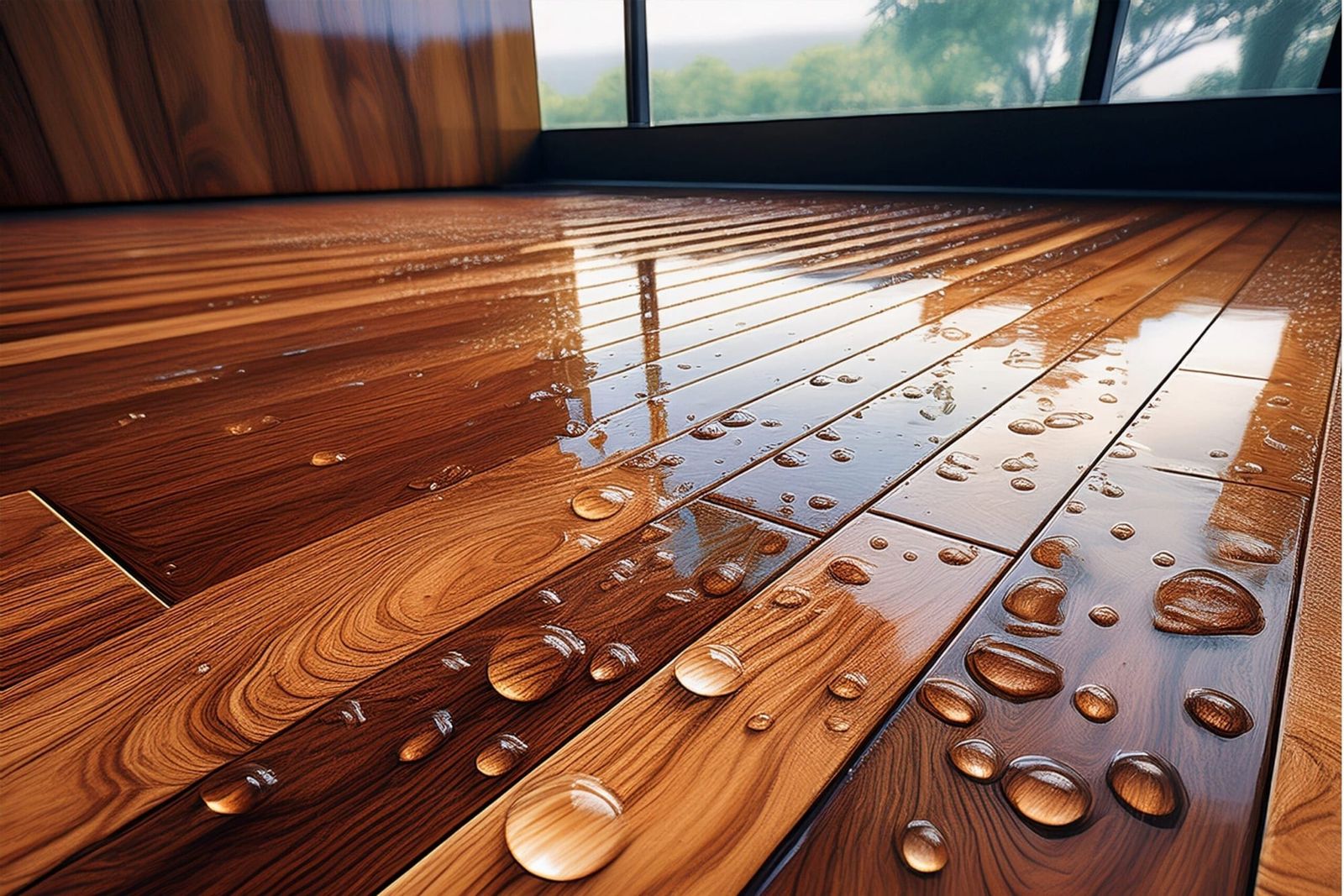
- Recoat real timber when water stops beading on the surface.
For a full routine, read how to clean hardwood floors.
Is Spotted Gum Flooring Right for Your Home?
Spotted gum flooring is a strong fit if you want real Australian timber with plenty of character, you have a busy household with kids or pets, and you like warm, varied tones. It also suits buyers who value a locally grown species and a floor that can last for decades with occasional recoating.
It may not be the best choice if you prefer a very calm, uniform floor, in which case Blackbutt or a select-grade oak could suit you better. Likewise, if you need a floor for a laundry or a rental that sees heavy wear and frequent spills, a spotted gum-look hybrid gives you the colour without the maintenance of real timber.
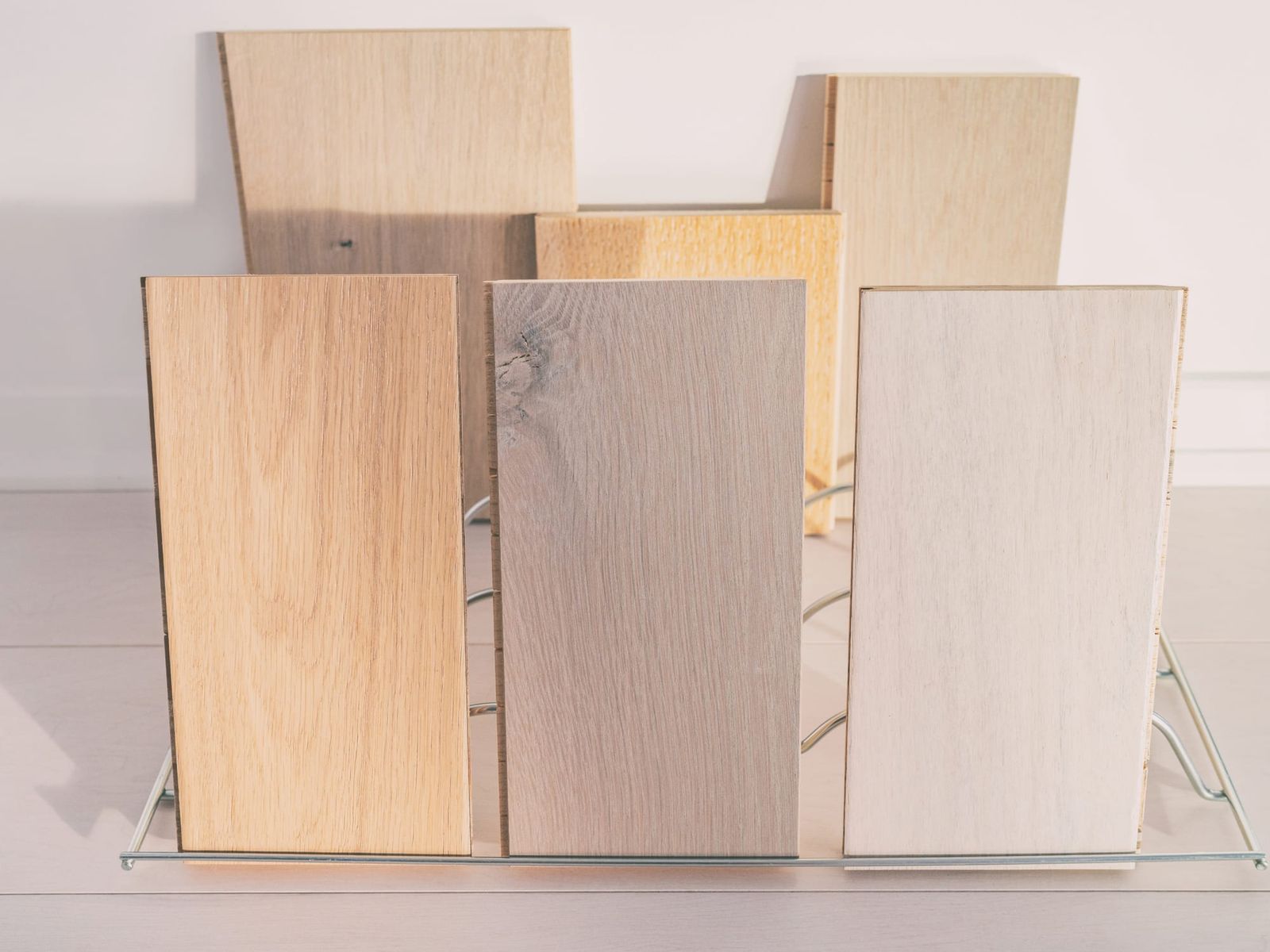
The easiest way to decide is to see several full-length boards side by side in natural light, ideally in more than one grade. Small samples rarely show how much the colour shifts across a whole room, so ask to view a larger display or a photo of a completed floor before you commit.
Spotted Gum Flooring FAQs
Is spotted gum good for flooring?
Yes. Spotted Gum is one of Australia’s most popular flooring timbers because it’s very hard, at about 11 kN on the Janka scale, and has rich, varied colour that suits many styles.
How much does spotted gum flooring cost?
Real Spotted Gum typically costs about $150 to $330 per m² fully installed in Brisbane, with format and grade driving the price. Spotted gum-look hybrid is cheaper, at about $55 to $110 per m² installed.
Is spotted gum harder than Blackbutt?
Yes. Spotted Gum rates about 11 kN on the Janka scale, compared with about 9.1 kN for Blackbutt, so it resists dents better.
Is spotted gum flooring good for dogs?
It’s one of the better timber choices for pets because of its hardness. A matt finish and feature grade help hide claw marks.
Does spotted gum flooring change colour?
Yes, gradually. Spotted Gum tends to deepen and mellow with sunlight rather than fade, so blinds help keep the colour even.
Is spotted gum flooring waterproof?
Real Spotted Gum timber isn’t waterproof, so wipe spills quickly. If you need water resistance for a laundry or kitchen, consider a spotted gum-look hybrid.
Is spotted gum suitable for Brisbane homes?
Very much so. It grows naturally along the east coast, including South East Queensland, and handles local conditions well when installed properly.
Can spotted gum flooring be sanded?
You can sand solid Spotted Gum, and engineered Spotted Gum too when its timber layer is at least 3mm thick. Hybrid and laminate versions can’t.
See Spotted Gum in Person
Spotted Gum varies so much that it’s worth seeing full boards before you choose. Compare grades, finishes and formats at our Newstead showroom, then book a free measure and quote.