Choosing floors
Laminate vs Hybrid Flooring: The Complete Brisbane Buying Guide
 Roman Miller13 min read
QUICK ANSWER
When it comes to laminate vs hybrid flooring, hybrid is the better all-round choice for most Brisbane homes because it is fully waterproof, stable in heat and quiet underfoot. Laminate flooring is the better value choice for dry, low-moisture rooms like bedrooms and living areas. The right pick depends on where the floor is going, how your household lives and what you want to spend.
If you’re weighing up laminate vs hybrid flooring, you’re not alone. It’s one of the most common questions we hear from Brisbane homeowners and landlords who are renovating, and it’s a fair one. Both products give you the look of timber without the price tag, but they’re built very differently underneath, and that difference shows up in how they handle water, heat, noise and everyday wear.
In this laminate vs hybrid flooring guide, we walk through exactly what separates the two, where each one shines, what you can expect to pay and how to choose with confidence. Whether you’re updating a family home, preparing an investment property for tenants, or trying to avoid an expensive mistake, you’ll have what you need by the end.
LAMINATE VS HYBRID FLOORING AT A GLANCE
Choose laminate flooring if you:
- want a convincing timber look on a tighter budget
- are flooring bedrooms, living rooms or hallways
- don’t need the floor to cope with spills, mopping or humidity
- are comfortable with a firmer feel underfoot
Choose hybrid flooring if you:
- need a waterproof floor for kitchens, laundries or open-plan living
- have kids, pets or a busy household
- want one consistent floor from room to room
- want a quieter, softer feel with underlay already built in
- are flooring a rental and want to minimise water-damage risk
What Is Laminate Flooring?
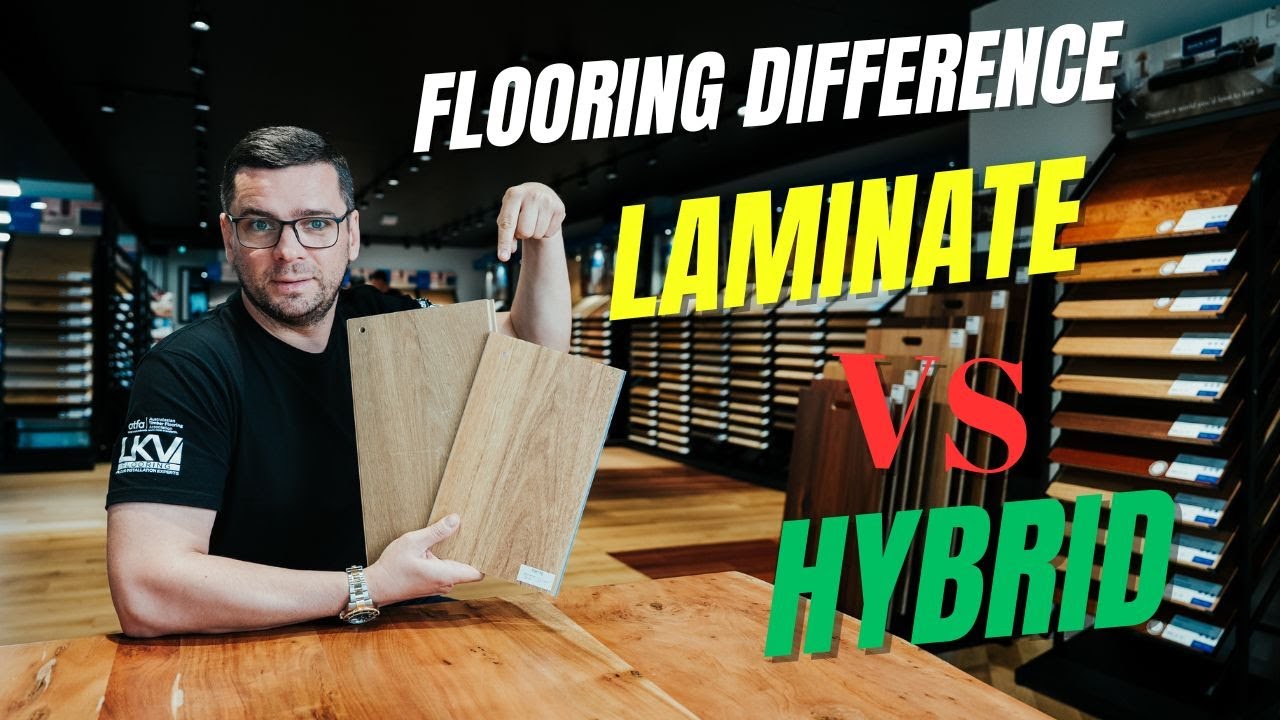
Laminate flooring is a layered floor made from a compressed high-density fibreboard (HDF) core, a high-resolution printed image layer that replicates timber grain and a clear protective wear layer on top. It has been a popular choice in Australian homes for decades, and today’s ranges look far more convincing than the laminate many people remember.
In simple terms, laminate gives you the look of hardwood at a fraction of the cost. Modern printing and surface texturing mean many boards are hard to tell apart from real timber at a glance.
Key features of laminate flooring
- Appearance: High-resolution printing and embossed surface texture make modern laminate look surprisingly close to real timber.
- Durability: The tough wear layer resists everyday scratches and dents, which suits households with kids and moderate pet traffic.
- Cost: Laminate is generally the more affordable of the two, which is a big part of its lasting popularity.
- Installation: A click-lock floating system over underlay makes it one of the more DIY-friendly floors, provided the subfloor is properly prepared.
- Moisture resistance: Standard laminate is not waterproof. Spills left too long or a slow leak can make the fibreboard core swell and warp.
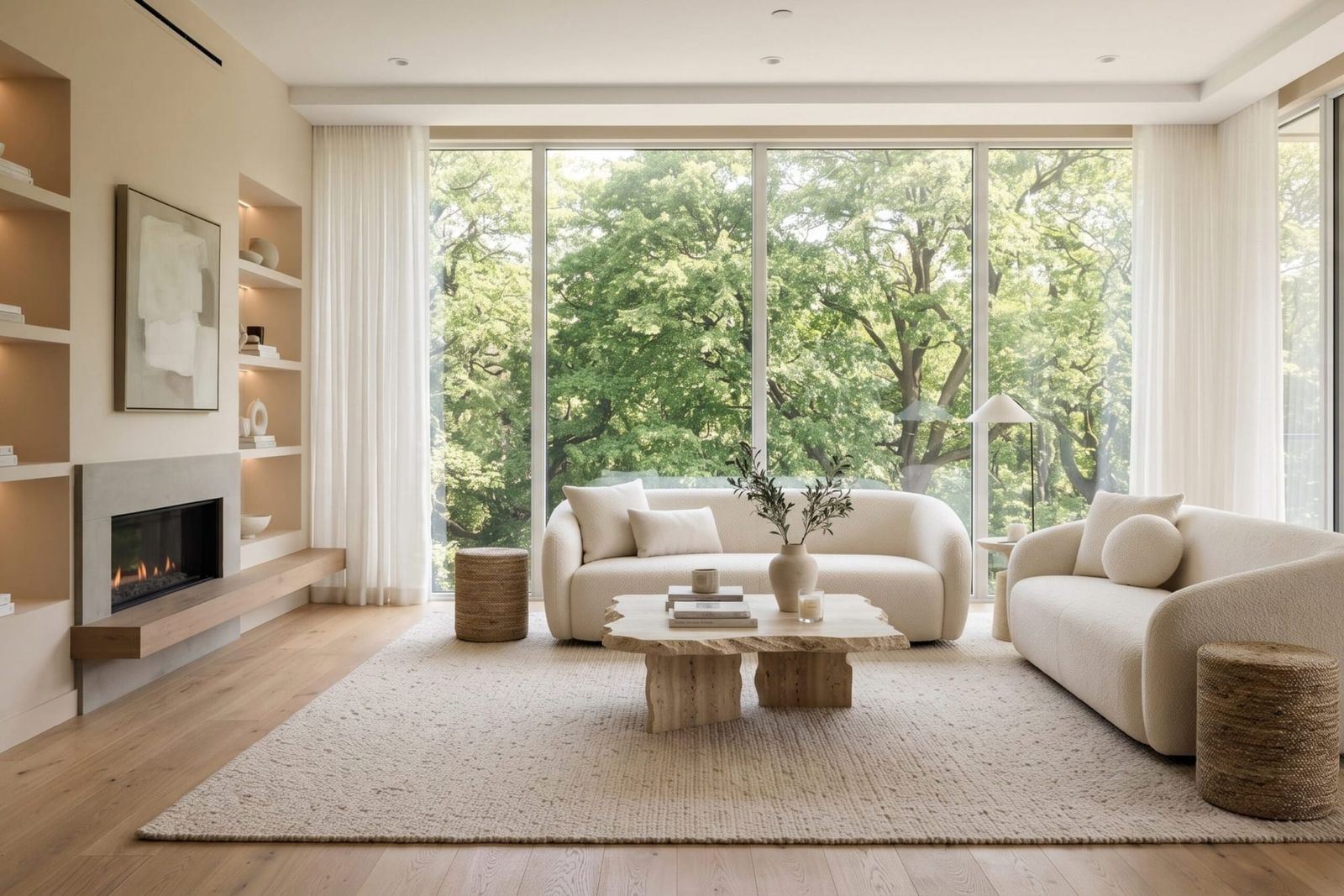
Laminate flooring performs best in living areas, bedrooms and hallways, where moisture is low, and the main demand is foot traffic. It isn’t ideal for bathrooms, laundries or kitchens, where spills and humidity are part of daily life.
At LKV Flooring, we supply and install Quick-Step laminate, a premium European brand known for surface protection and long-term reliability. You can see our approach to each job on our laminate flooring installation page.
What Is Hybrid Flooring?
Hybrid flooring is a rigid, multi-layer floor that combines the waterproof durability of vinyl with the stability of a rigid core. It’s one of the newest and fastest-growing flooring categories in Australia, and for good reason: it’s tough, fully waterproof and still looks like timber.
A hybrid plank is typically made from four layers: a UV-coated wear layer, a decorative film that carries the timber look, a rigid SPC (stone plastic composite) or WPC (wood plastic composite) core and an attached acoustic backing for comfort and sound reduction.
You may also see hybrid flooring called hybrid laminate, rigid core or SPC flooring. Despite the name, it isn’t a type of laminate. Hybrid flooring has a rigid, vinyl-based core instead of a fibreboard one, and that is the biggest difference between laminate and hybrid flooring, because it’s what makes hybrid flooring waterproof.
Key features of hybrid flooring
- 100% waterproof: It handles spills, mopping and humidity without warping, which makes it suitable for kitchens, laundries and open-plan living.
- Stable in heat: Hybrid planks expand and contract far less than laminate when temperatures change, a real advantage in Queensland.
- Realistic look and feel: Many ranges use embossed-in-register texture, where the surface texture lines up with the printed grain, so the floor feels as good as it looks.
- Quieter and softer underfoot: An attached acoustic backing reduces noise and adds comfort compared with laminate.
- Low maintenance: A regular sweep and an occasional damp mop is all it needs.
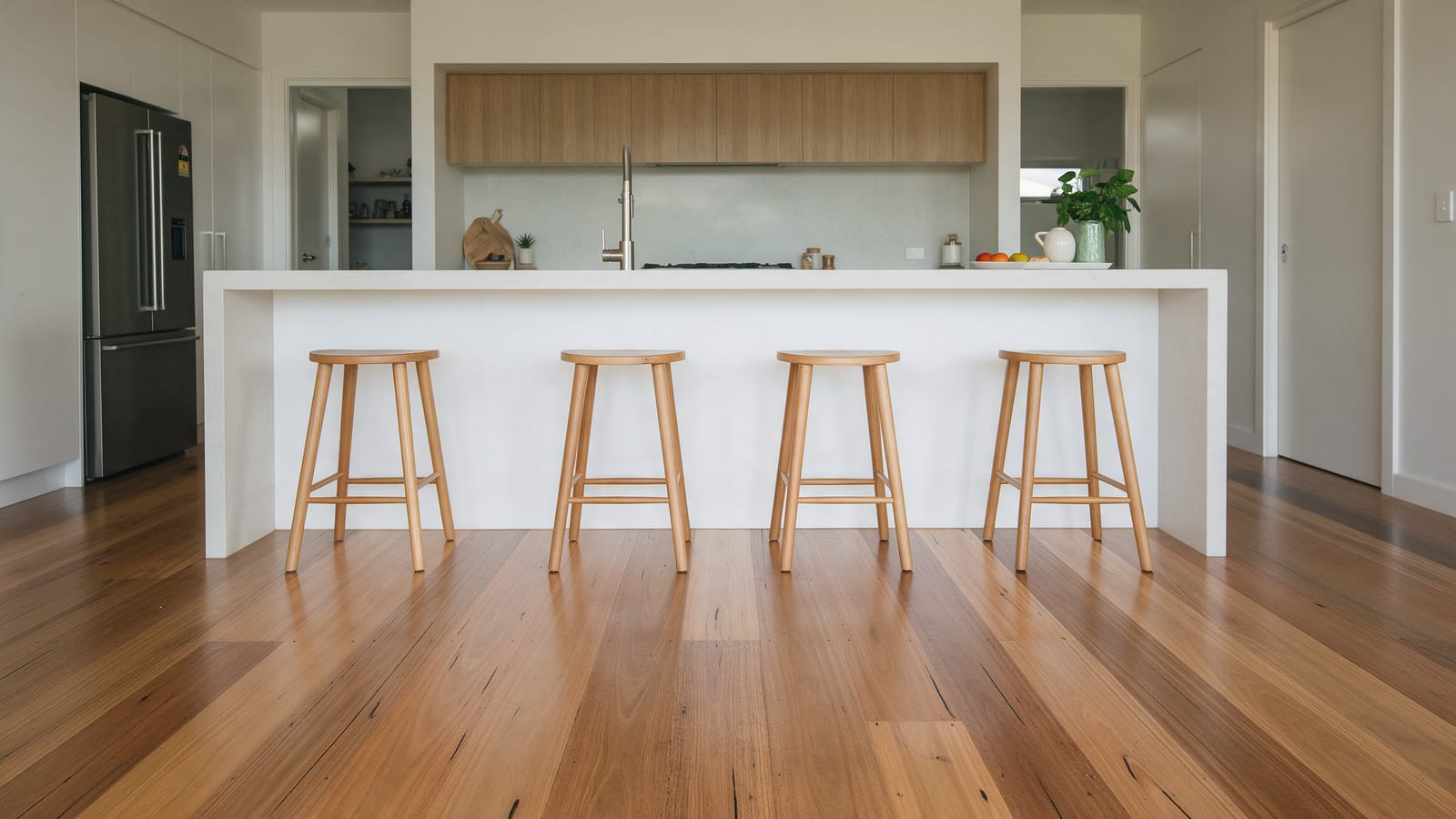
Hybrid flooring works well throughout an entire home, giving you one consistent, modern finish from the kitchen to the bedrooms. If you’re considering it, our hybrid flooring installation page explains how we supply and install it.
Laminate vs Hybrid Flooring: Side‑by‑Side Comparison
Here’s the laminate vs hybrid flooring comparison across the factors that matter most when you’re choosing.
| Feature | Laminate flooring | Hybrid flooring |
|---|---|---|
| Core material | HDF (high-density fibreboard) with a printed image layer | Rigid SPC or WPC core with a wear layer and decorative film |
| Water resistance | Water-resistant surface only, not waterproof | 100% waterproof |
| Scratch and wear resistance | Strong, with a tough wear layer | Strong, with a UV-coated wear layer |
| Heat and humidity stability | Can swell, expand or contract | More dimensionally stable |
| Underfoot feel | Firmer, and can sound hollow without good underlay | Softer and quieter, with acoustic backing attached |
| Underlay | Installed separately | Attached to each plank |
| Installation | Floating, click-lock | Floating, click-lock |
| Best suited to | Bedrooms, living areas and hallways | The whole home, including kitchens and laundries |
| Typical material cost | $20 to $35 per m² | $35 to $55 per m² |
Is Laminate or Hybrid Flooring Better for Wet Areas?
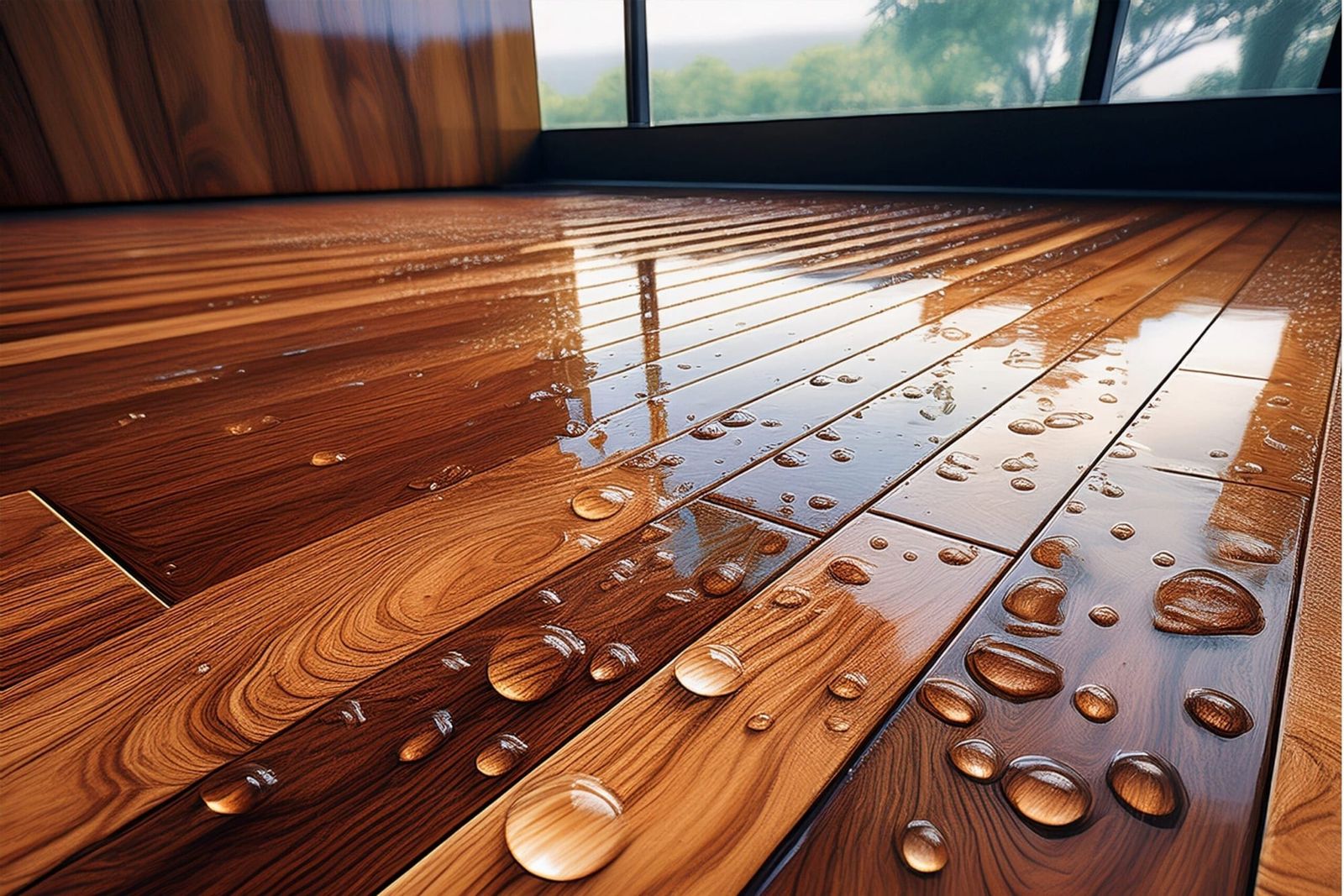
In the laminate vs hybrid flooring comparison for wet areas, hybrid is the better choice because its core is fully waterproof. In contrast, laminate’s fibreboard core can swell if water gets in. That makes hybrid a sensible option for kitchens, laundries and even some bathroom applications.
Good to know
Building rules for wet areas vary by state and council. Some require a waterproof membrane and a compliant surface, such as tile, directly inside a shower recess, regardless of how water-resistant the flooring itself is. Always confirm the requirements with your installer before choosing a floor for a bathroom.
Laminate should stay out of genuinely wet areas. Even moisture-resistant laminate ranges are designed to handle an occasional spill that’s wiped up promptly, not standing water or constant humidity.
Laminate vs Hybrid Flooring for Families and Pets
Both laminate and hybrid flooring are built for busy households, but they cope with different kinds of stress. Laminate’s wear layer is genuinely scratch-resistant, so it holds up well to school bags, toys and moderate pet traffic. Where it struggles is water: a tipped water bowl, a spilled drink that goes unnoticed or a slow leak behind an appliance can cause lasting damage to the core.
Hybrid flooring removes that worry. Because it’s waterproof through and through, spills, muddy paw prints, and the occasional pet accident clean up without harming the floor. For many families and pet owners, that peace of mind is the deciding factor.
Neither floor is scratch-proof. Felt pads under furniture, entrance mats and regularly trimmed pet nails will help any floor last longer.
How Do Laminate and Hybrid Flooring Feel Underfoot?
Laminate feels firmer and more rigid and can sound hollow when walked on, especially if the underlay is basic. Hybrid flooring is typically softer and quieter because its acoustic backing absorbs sound and adds a little cushioning.
This matters most in apartments, townhouses and upstairs rooms, where footsteps travel. If you live in a strata building, check the flooring and acoustic requirements before you buy, and read our guide to acoustic underlay for more detail.
Laminate vs Hybrid Flooring in Brisbane’s Climate
Brisbane’s climate puts flooring through its paces, and it changes the laminate vs hybrid flooring decision more than most people expect. Summers are hot and humid, storms can arrive quickly, and many homes swing between air-conditioned cool and thick, muggy air outside. Those conditions matter because timber-based products respond to both moisture and temperature.
Laminate’s fibreboard core absorbs moisture, so it can swell at the edges if water gets in or humidity stays high. Good installation, correct expansion gaps and keeping laminate in drier rooms go a long way.
Hybrid’s rigid core doesn’t absorb water and holds its shape better through temperature swings, which is a big reason it suits Queensland homes so well. Even so, no floor loves prolonged direct sun. In rooms with large west-facing glass, window coverings help protect any flooring.
Installing Laminate and Hybrid Flooring
Laminate vs hybrid flooring installation follows a similar method, because both are floating floors: the boards click together and sit over the subfloor rather than being glued or nailed down. That makes both accessible for confident DIYers, but the result depends heavily on what’s underneath.
Subfloor preparation matters most. The surface needs to be flat, clean, dry and structurally sound. Small dips or bumps that look harmless can lead to creaking, gaps or failed joints later, and floating floors tend to show them.
Underlay is the key practical difference. Hybrid flooring typically has acoustic underlay attached to each plank, so you don’t need to buy or lay anything extra. Laminate needs underlay installed separately, which adds a step and a small cost but lets you choose an underlay suited to your space. Our guide on choosing the right underlay explains the options.
Both floors also need a small expansion gap around the edges of the room, hidden under skirting boards so that the floor can move naturally with temperature and humidity changes.
If you’d rather skip the guesswork, our in-house team handles everything from subfloor preparation to finishing trims, and we back every installation with our 7-year artistry warranty.
Laminate vs Hybrid vs Vinyl Flooring: Where Does Vinyl Fit?
If you’ve been researching flooring, you’ve probably also come across vinyl plank flooring, sometimes sold as luxury vinyl plank (LVP). Vinyl is typically thinner and more flexible than hybrid, without hybrid’s rigid core. It’s usually the most affordable of the three and is also waterproof, but it can feel less substantial underfoot and is often glued down rather than floated.
For most Brisbane homeowners comparing laminate vs hybrid flooring, vinyl ends up as a secondary option. It’s worth knowing about if budget is your top priority and you’re comfortable with a different underfoot feel.
Laminate vs Hybrid Flooring Cost in Australia
Pricing varies with brand, thickness and finish, but as a general guide, here is the laminate vs hybrid flooring price difference you can expect for materials in Australia.
LAMINATE FLOORING
$20 to $35
per m², before installation
HYBRID FLOORING
$35 to $55
per m², before installation
Materials are only part of the cost. Subfloor preparation, removal of old flooring, underlay (for laminate), skirting boards and installation all affect the final total, which is why a detailed quote for your own space is always more reliable than a per square metre figure.
Hybrid costs more upfront, but its waterproof design can reduce long-term repair and replacement costs, particularly in rentals where water damage can be one of the more common and costly problems.
Laminate vs Hybrid Flooring for Rental Properties
For investment properties, flooring needs to be durable, low maintenance and cost-effective across multiple tenancies.
Laminate flooring works well for rentals if:
- you’re renovating on a tight budget
- the rooms have low to moderate moisture, such as bedrooms and living rooms
- you plan to refresh the property every few tenancy cycles
Hybrid flooring is the stronger long-term choice for rentals if:
- you want one consistent floor throughout the property
- you manage high-traffic or family tenancies
- you want to minimise the risk of costly water-damage repairs between tenants
From a property management perspective, hybrid often pays off over time because it takes water damage largely out of the equation.
Laminate vs Hybrid Flooring for Homeowners
If you’re living in the home yourself, the choice usually comes down to comfort, design flexibility and how your household actually uses each space.
Laminate suits homeowners who:
- want a real timber look at an accessible price
- are comfortable using tiles or another product in wet zones
- prefer a firmer, more traditional feel underfoot
Hybrid suits homeowners who:
- want a seamless flow from kitchen to living areas to bedrooms
- want a quieter, warmer floor with easy upkeep
- want confidence through every season, without worrying about spills or humidity
Sustainability Considerations
Laminate’s wood-fibre core is a plus, although it isn’t moisture-tolerant. Hybrid cores often use PVC or limestone composites, which are harder to recycle but can last longer before needing replacement.
If sustainability matters to you, look for laminate with PEFC- or FSC-certified wood fibre, and for hybrid ranges with low-VOC or phthalate-free cores.
Laminate vs Hybrid Flooring: How to Decide
On a tight budget? Laminate flooring is the more affordable option.
Need genuine waterproofing? Hybrid flooring is the clear choice.
Installing it yourself? Both are DIY-friendly floating floors, as long as the subfloor is properly prepared.
Want one consistent floor throughout, wet areas included? Hybrid flooring.
Only replacing flooring in one dry room? Laminate flooring is a sound, cost-effective choice.
Living in an apartment and noise is a concern? Hybrid flooring, with a check of your building rules first.
Ultimately, the decision comes down to weighing upfront cost against long-term durability, and how you want the floor to look against how it needs to perform day to day.
Frequently Asked Questions About Laminate vs Hybrid Flooring
Is hybrid flooring better than laminate flooring?
In the laminate vs hybrid flooring debate, hybrid is generally the stronger all-round choice because it is fully waterproof, more stable in heat and quieter underfoot. Laminate flooring remains a sound, more affordable option for dry rooms like bedrooms and living areas.
What is the difference between laminate and hybrid flooring?
The main difference is the core and water resistance. Laminate has an HDF (high-density fibreboard) core and is only water-resistant, while hybrid flooring has a rigid SPC or WPC core and is fully waterproof.
Is hybrid flooring the same as laminate flooring?
No. Despite the name hybrid laminate, hybrid flooring is not a type of laminate. It has a rigid vinyl-based core instead of a fibreboard core, which is what makes it waterproof.
Is laminate flooring waterproof?
Standard laminate flooring is not waterproof. The surface resists spills for a short time, but if water reaches the fibreboard core through the joins, it can swell and warp.
Can hybrid flooring be used in a bathroom?
Hybrid flooring is waterproof and can generally be used in bathrooms, but wet area building rules vary by state and council. Confirm the requirements with your installer first, particularly for areas directly inside a shower recess.
Do I need underlay for hybrid flooring?
Usually not. Hybrid flooring typically has acoustic underlay already attached to each plank, whereas laminate flooring needs underlay installed separately.
Which is cheaper, laminate or hybrid flooring?
Laminate is generally cheaper upfront, at around $20 to $35 per square metre for materials compared with $35 to $55 for hybrid. Hybrid’s higher cost is often offset by lower long-term repair and replacement costs, especially in rentals.
Is hybrid flooring suitable for Brisbane’s climate?
Yes. Hybrid flooring’s rigid core resists moisture and holds its shape through temperature swings, which suits Brisbane’s hot, humid conditions better than a fibreboard-core laminate.
Final Thoughts
When it comes to laminate vs hybrid flooring, we install both across Brisbane at LKV Flooring, so we’re not here to push you towards one over the other. In our experience, hybrid has become the more versatile choice for busy households, pet owners, kitchens, and investment properties because it’s waterproof, stable, and quiet. Laminate still earns its place in dry rooms where you want a beautiful timber look on a sensible budget.
What matters most is matching the floor to the space and the way you live. Our QBCC-licensed in-house team supplies and installs every floor we sell, and we back every installation with our 7-year artistry warranty, so you’re covered no matter what you choose.
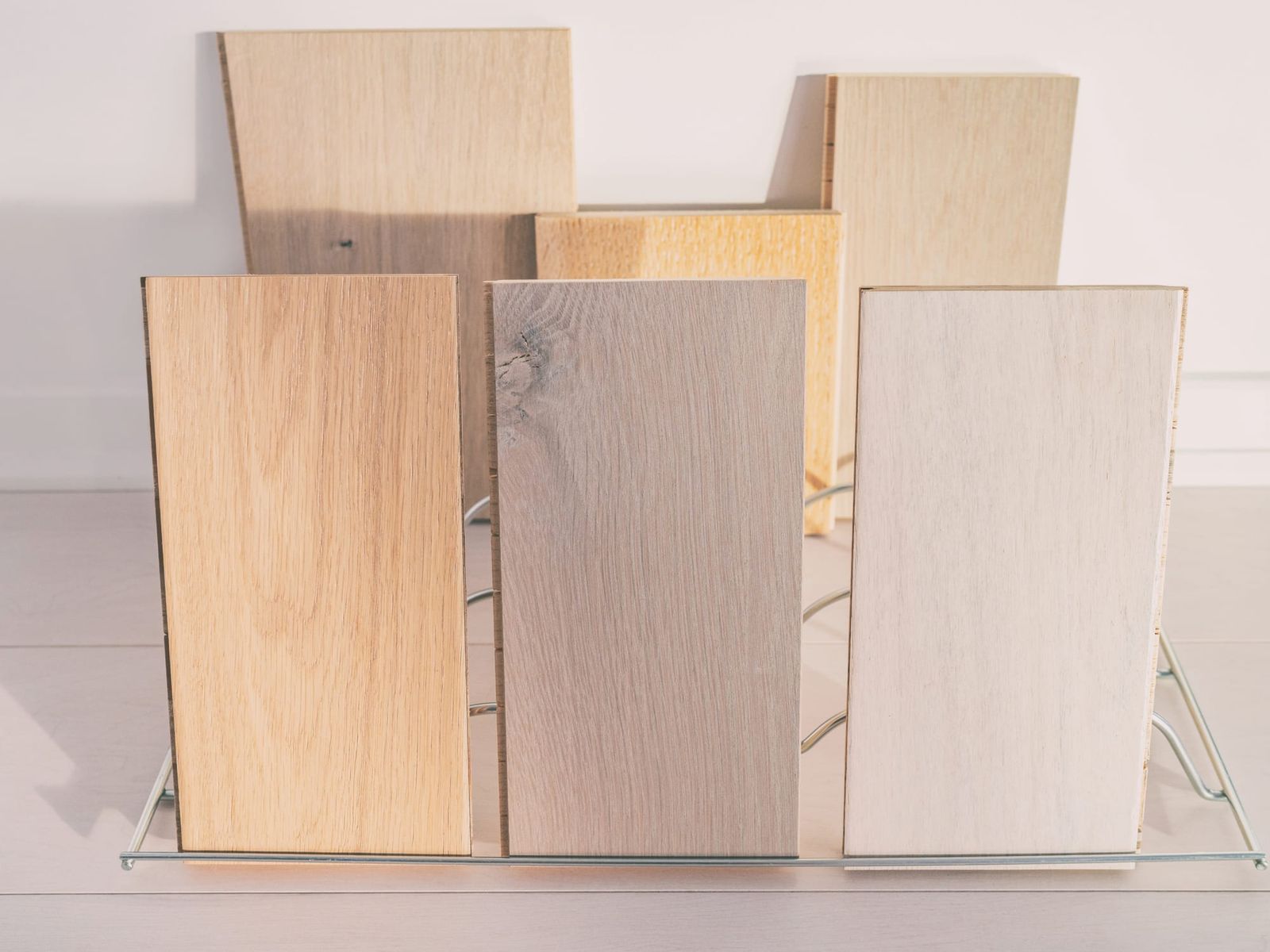
If you’d like to see and feel the difference for yourself, we’d love to meet you at our Newstead showroom. We’ll put laminate and hybrid flooring samples side by side, talk through your project and give you a clear, honest recommendation.
Not sure whether laminate or hybrid is right for you?
Visit our showroom at 77 Doggett Street, Newstead, or request a free quote. We are open Monday to Friday, 9am to 5pm, and Saturday, 9am to 3pm.