

At LKV Flooring, we know how important it is to keep your timber floors looking great for years to come. One issue that many homeowners face is gaps between the boards. Let’s explore the causes of hardwood flooring gaps between boards and provide tips on how to prevent and fix them.
Causes of Gaps in Timber Floors
There are several reasons why gaps can form between the boards in timber flooring. One of the most common causes in Australia is changes in humidity and temperature. As timber is a natural material, it expands and contracts in response to changes in the surrounding environment.
Particularly in coastal areas, high humidity can cause timber to absorb moisture and swell, pushing the boards together.
Conversely, during the dry summer months, timber can:
- Lose moisture
- Shrink
This contributes towards creating gaps between the boards.
Another cause of gaps in timber floors is improper flooring installation. If the boards are not laid properly, they may not fit together snug, leaving gaps. Additionally, if the boards are not acclimatised to the environment before installation, they may expand or contract after installation, causing gaps to form.
Preventing Gaps in Timber Floors
The best way to prevent gaps in your timber floor is to ensure that it is installed correctly. This includes acclimatising the boards to the local environment before installation, using the correct installation techniques, and leaving a small gap between the boards to allow for expansion and contraction.
Choosing high-quality materials plays a big role in minimising gaps. Solid Hardwood Flooring is an excellent choice for durability and longevity, especially when installed by professionals.



Another way to prevent gaps is to maintain consistent humidity and temperature levels in your home. In Australia, this can be a challenge during the hot and humid summer months. Using a dehumidifier can help to reduce the humidity in your home, while a humidifier can help to add moisture during the dry winter months.
Fixing Gaps in Timber Floors
If you already have gaps in your timber floor, there are several methods for fixing them. One option is to use a hardwood floor gap filler to fill in the spaces. This method is quick and easy but may not be as durable as other methods.
Another option is to use a floor sander to sand down the boards and remove the gaps. This method is more time-consuming but provides a more permanent solution.
Finally, if the gaps are severe, you may need to have the boards replaced. This should only be done by a professional like LKV Flooring to ensure that the new boards are properly acclimatised and installed.
While traditional timber floors may develop gaps over time, modern Engineered Timber Flooring is designed to maintain its structure with minimal movement, making it a great option for those looking to reduce maintenance
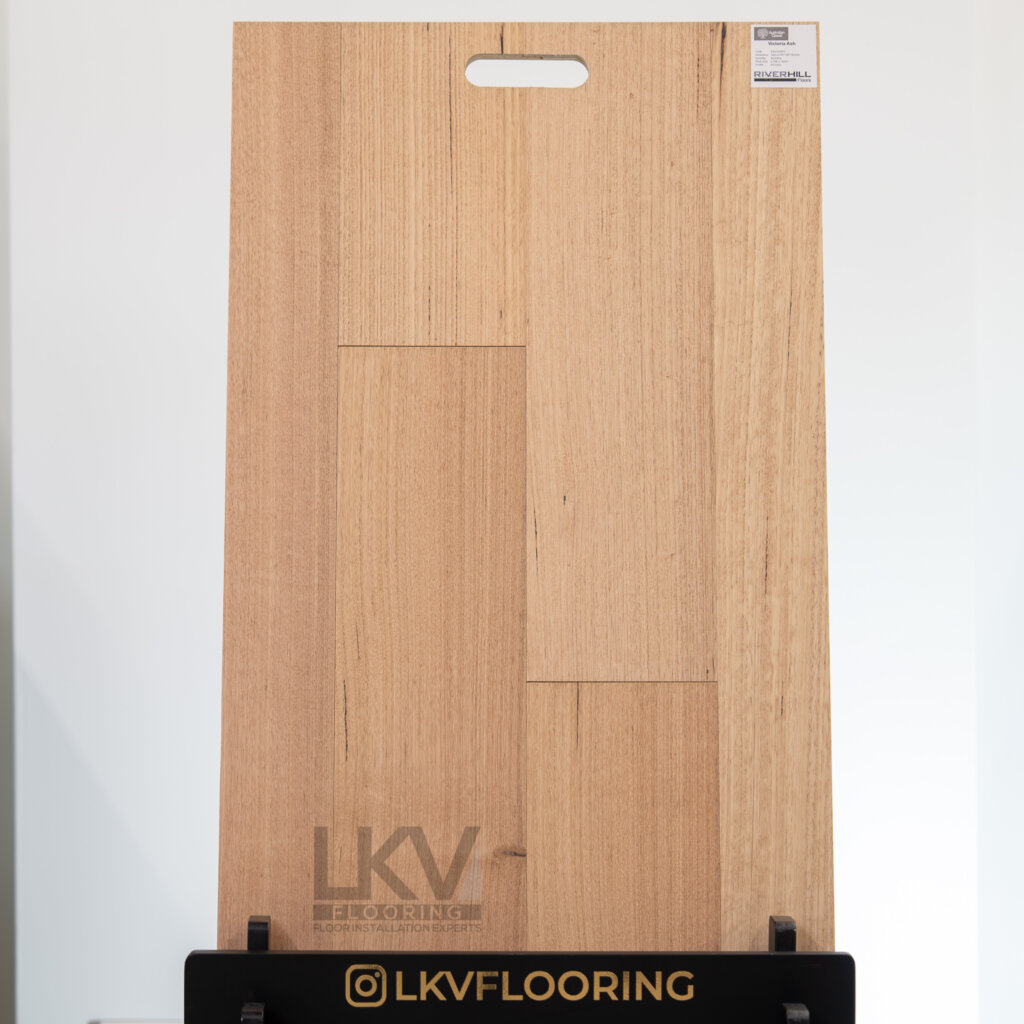
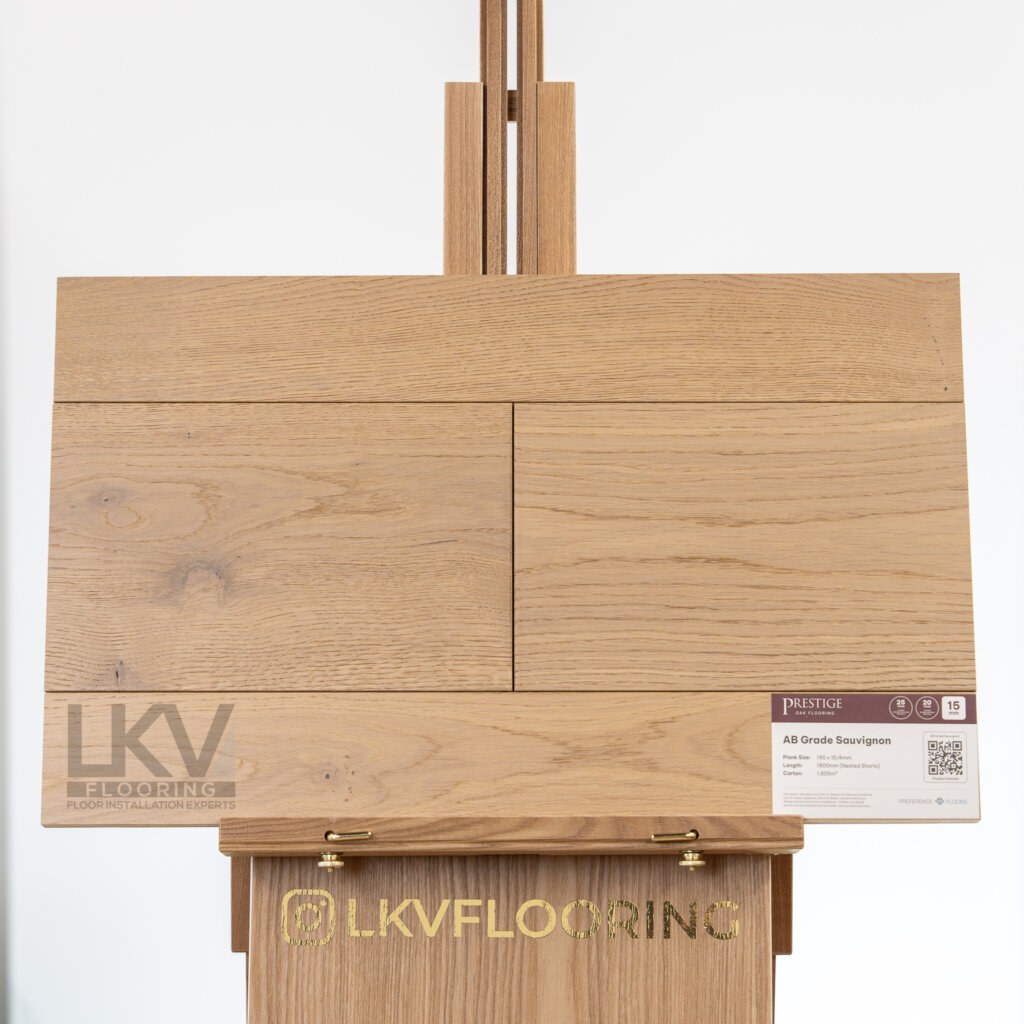
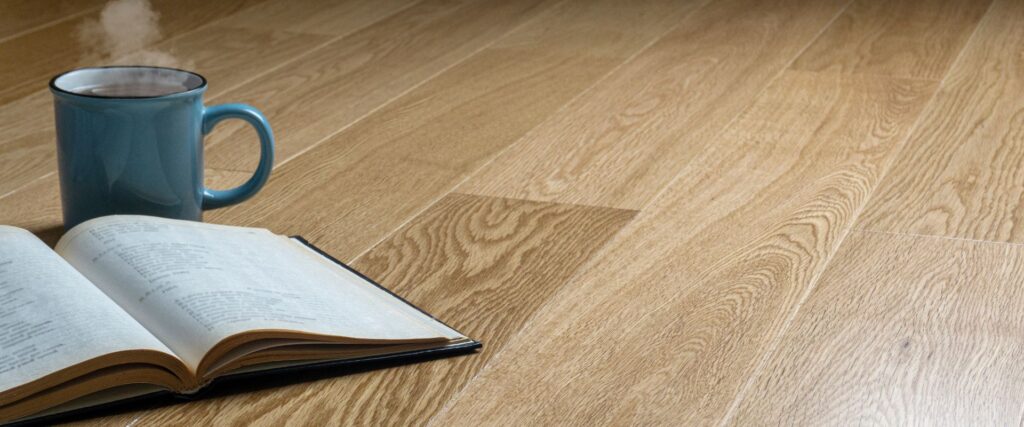
Gaps in timber floors can be frustrating, but they are a common issue that can be prevented and fixed with the right techniques. By ensuring that your floor is installed correctly,maintaining consistent humidity and temperature levels, and using the right repair methods—such as hardwood floor gap filler—you can keep your timber floor looking great for years to come, even in the Australian climate.
If you’re thinking about upgrading your floors to a more stable and long-lasting option, explore our range of Solid Hardwood Flooring for a classic, durable finish.
filling gaps between floorboards


